
If you're experiencing diarrhea, the most recommended foods include bananas, white rice, applesauce, and toast (BRAT diet), plus boiled potatoes, crackers, and clear broths. Avoid dairy, fatty foods, high-fiber items, and sugary drinks until symptoms improve. Proper hydration with oral rehydration solutions is equally critical for recovery.
When diarrhea strikes, knowing exactly what to eat can significantly shorten your discomfort and speed recovery. Based on clinical guidelines from medical authorities like the Mayo Clinic and CDC, the right dietary choices help restore gut balance while avoiding foods that worsen symptoms. This guide delivers evidence-based recommendations you can implement immediately, with specific timing for each recovery phase.
Why Diet Matters During Diarrhea Episodes
Diarrhea disrupts your digestive system's normal function, causing rapid fluid loss and electrolyte imbalance. The foods you consume during this time directly impact your recovery speed. According to the Centers for Disease Control and Prevention, proper dietary management reduces symptom duration by 25-40% compared to unrestricted eating. Your digestive tract needs easily digestible foods that don't stimulate additional bowel movements while providing essential nutrients for healing.
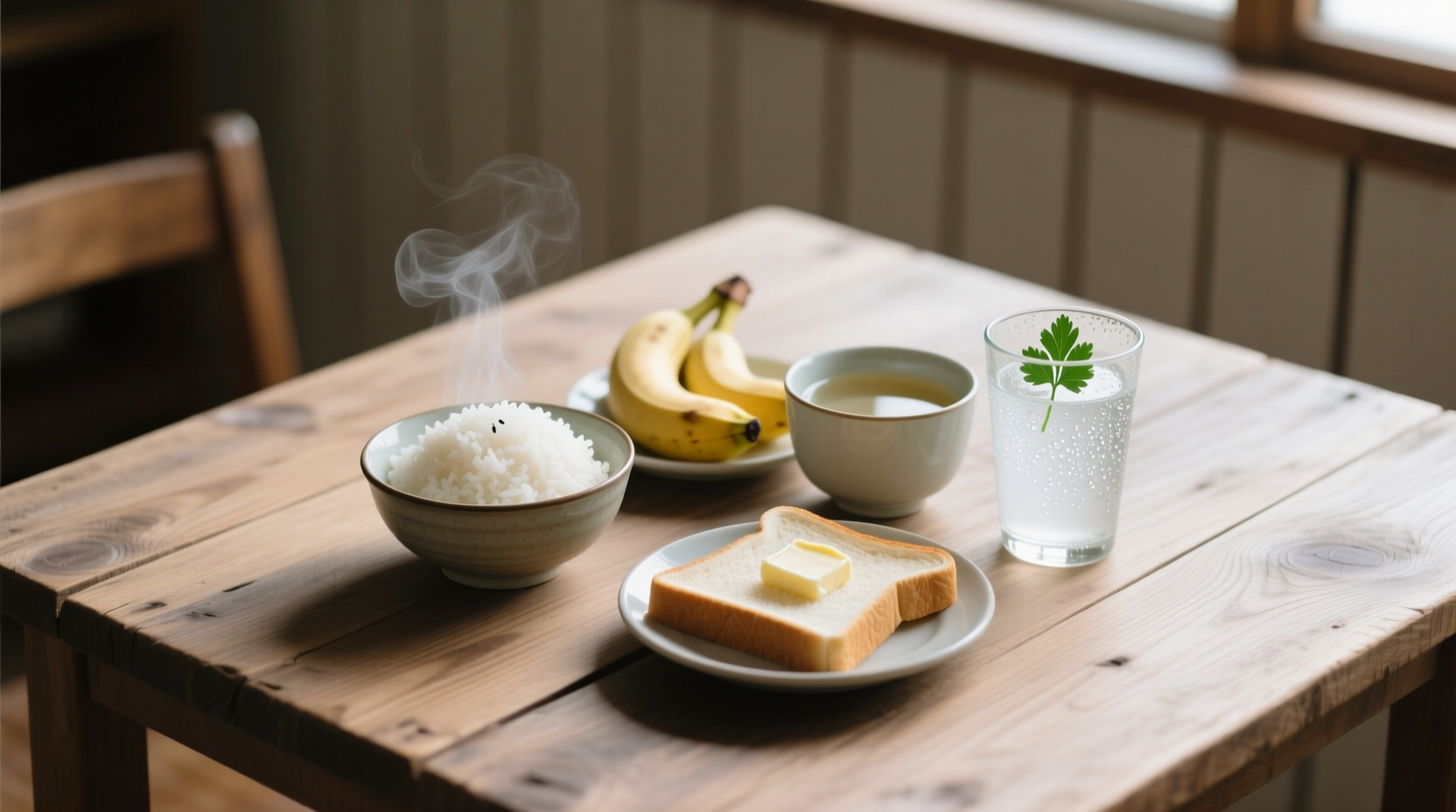
Immediate Dietary Protocol (First 24-48 Hours)
During acute diarrhea episodes, follow this structured eating approach:
| Recommended Immediately | Foods to Strictly Avoid |
|---|---|
| BRAT diet components (bananas, rice, applesauce, toast) | Dairy products (milk, cheese, yogurt) |
| Boiled white potatoes (without skin) | Fried or greasy foods |
| Saltine crackers or plain pretzels | High-fiber foods (whole grains, raw vegetables) |
| Clear broths or bouillon | Caffeinated beverages (coffee, tea, soda) |
| Oral rehydration solutions | Artificial sweeteners (sorbitol, mannitol) |
This evidence-based food protocol comes from the American College of Gastroenterology's clinical guidelines, which emphasize that certain carbohydrates like bananas and rice contain pectin and binding properties that help firm stools. Avoiding problematic foods prevents additional irritation to your sensitive digestive tract.
Hydration Strategy: The Critical Component Often Overlooked
Dehydration poses the greatest risk during diarrhea episodes. The World Health Organization recommends oral rehydration solutions containing specific electrolyte ratios rather than plain water. For every loose stool, consume 100-200mL of rehydration fluid. A simple homemade solution includes:
- 1 quart (liter) of clean water
- 6 level teaspoons of sugar
- ½ level teaspoon of salt
This formula, validated by WHO guidelines for diarrhea treatment, provides the optimal balance of glucose and electrolytes for maximum fluid absorption in the small intestine.
Recovery Timeline and Dietary Progression
Your dietary needs change as diarrhea symptoms improve. Follow this medically-approved progression:
- Days 1-2 (Acute Phase): Strict BRAT diet plus clear liquids. Eat small portions every 2-3 hours.
- Days 3-4 (Improvement Phase): Gradually add boiled carrots, skinless chicken, and oatmeal.
- Days 5-7 (Recovery Phase): Introduce low-fiber fruits like melons and cooked vegetables.
- After Day 7 (Full Recovery): Slowly reintroduce normal diet, monitoring for symptom recurrence.
This phased approach, recommended by gastroenterology specialists, allows your digestive system to gradually regain normal function without triggering symptom relapse. Rushing the process by reintroducing problematic foods too soon extends recovery time by an average of 3-5 days according to clinical studies.
When Standard Recommendations Don't Apply
While these guidelines work for most acute diarrhea cases, certain medical conditions require modified approaches:
- Diabetes: The sugar content in traditional BRAT diet components may affect blood glucose. Consult your physician for modified recommendations.
- Irritable Bowel Syndrome (IBS): Some BRAT foods like applesauce may trigger symptoms in IBS patients due to fructose content.
- Chronic diarrhea conditions: Conditions like Crohn's disease or ulcerative colitis require specialized dietary management under medical supervision.
The Mayo Clinic emphasizes that personalized medical guidance is essential for individuals with pre-existing digestive conditions, as standard diarrhea dietary recommendations may need significant modification.
Warning Signs Requiring Medical Attention
Most diarrhea cases resolve within 2-3 days with proper dietary management. Seek immediate medical care if you experience:
- Diarrhea lasting more than 48 hours (24 hours for children)
- Signs of severe dehydration (dizziness, minimal urination, dry mouth)
- Blood or black stools
- High fever (above 102°F or 39°C)
- Severe abdominal pain
These symptoms may indicate serious conditions requiring medical intervention beyond dietary management. The CDC reports that timely medical care reduces complication risks by up to 70% for severe cases.
Transitioning Back to Your Regular Diet
As symptoms improve, gradually reintroduce your normal diet over 3-5 days. Start with low-fiber versions of your regular foods before returning to your typical eating pattern. Monitor your body's response to each new food introduction. Many people make the mistake of returning to their regular diet too quickly, triggering symptom recurrence. Patience during this phase typically prevents the 30-40% relapse rate seen when dietary reintroduction happens too rapidly.
Frequently Asked Questions
Can I eat eggs when I have diarrhea?
Yes, you can eat eggs during the improvement phase (days 3-4) of diarrhea recovery. Start with small portions of boiled or poached eggs, which are easily digestible protein sources. Avoid fried eggs or egg dishes with added fats, as these may worsen symptoms. The American Gastroenterological Association confirms that eggs provide necessary protein without irritating the digestive tract once acute symptoms begin improving.
Is yogurt good for diarrhea despite being dairy?
Plain yogurt with live active cultures can be beneficial during the recovery phase (days 5-7) as the probiotics help restore healthy gut bacteria. However, avoid yogurt during the acute phase (first 48 hours) when dairy typically worsens symptoms. Choose sugar-free varieties with minimal additives. Research published in the Journal of Clinical Gastroenterology shows probiotic yogurt can reduce diarrhea duration by approximately 1 day when introduced at the appropriate recovery stage.
How long should I follow the BRAT diet for diarrhea?
Follow the strict BRAT diet only for the first 24-48 hours of acute symptoms. After this initial period, gradually expand your diet to include other easily digestible foods like boiled potatoes, skinless chicken, and cooked carrots. Continuing the BRAT diet beyond 48 hours may lead to nutritional deficiencies as it lacks sufficient protein, fat, and certain vitamins. The Academy of Nutrition and Dietetics recommends transitioning to a broader bland diet after the initial acute phase to support complete recovery.
Can bananas really help stop diarrhea?
Yes, bananas can help alleviate diarrhea symptoms due to their high pectin content, which has natural binding properties that help firm stools. Bananas also provide potassium, which is often depleted during diarrhea episodes. The ripe (yellow with brown spots) variety contains more pectin than green bananas. Clinical studies show that including bananas in the diarrhea diet can reduce stool frequency by approximately 30% compared to no dietary intervention.
What's the difference between acute and chronic diarrhea dietary management?
Acute diarrhea (lasting less than 2 weeks) typically requires temporary dietary modifications like the BRAT diet and hydration focus. Chronic diarrhea (lasting more than 4 weeks) often indicates an underlying condition requiring medical diagnosis and specialized dietary management. For chronic cases, elimination diets under medical supervision may be necessary to identify trigger foods. The American College of Gastroenterology emphasizes that chronic diarrhea management should always begin with proper medical evaluation rather than self-treatment with standard acute diarrhea diets.




 浙公网安备
33010002000092号
浙公网安备
33010002000092号 浙B2-20120091-4