
The best way to warm cooked lobster is through gentle steaming at 140-145°F (60-63°C) for 3-5 minutes. This preserves texture while ensuring food safety. Never microwave or boil lobster, as these methods cause rubbery meat. Always check internal temperature reaches 140°F minimum before serving.
Leftover lobster presents a delicate challenge many home cooks face after a special seafood meal. Getting reheating right means the difference between tender, flavorful meat and tough, dry disappointment. As a professional chef with extensive experience in seafood preparation, I've perfected warming techniques that maintain that fresh-from-the-pot quality you worked so hard to achieve.
Why Proper Lobster Warming Matters
Lobster meat contains delicate proteins that easily overcook. When improperly reheated, these proteins tighten excessively, squeezing out moisture and creating that dreaded rubbery texture. Food safety is equally crucial—seafood sits in the temperature danger zone (40-140°F) where bacteria multiply rapidly. The USDA Food Safety and Inspection Service emphasizes that cooked seafood must reach 140°F internally when reheated to eliminate potential pathogens.
Essential Preparation Before Warming
Proper preparation sets the stage for successful reheating:
- Storage check: Ensure lobster was refrigerated within two hours of cooking and stored at 40°F or below
- Thawing: If frozen, thaw overnight in the refrigerator—not at room temperature
- Moisture protection: Keep lobster in its shell whenever possible to retain natural juices
- Portioning: Separate claws from tails to ensure even warming
Three Proven Warming Methods Compared
Each technique offers different advantages depending on your situation. The steaming method consistently delivers superior results for maintaining texture.
| Method | Time Required | Best For | Temperature Target | Texture Result |
|---|---|---|---|---|
| Steaming | 3-5 minutes | Single portions, best quality | 140-145°F | ★★★★★ |
| Oven | 10-15 minutes | Multiple portions, entertaining | 140°F | ★★★★☆ |
| Stovetop | 2-3 minutes | Quick meal, limited equipment | 135-140°F | ★★★☆☆ |
Steaming Method: The Gold Standard
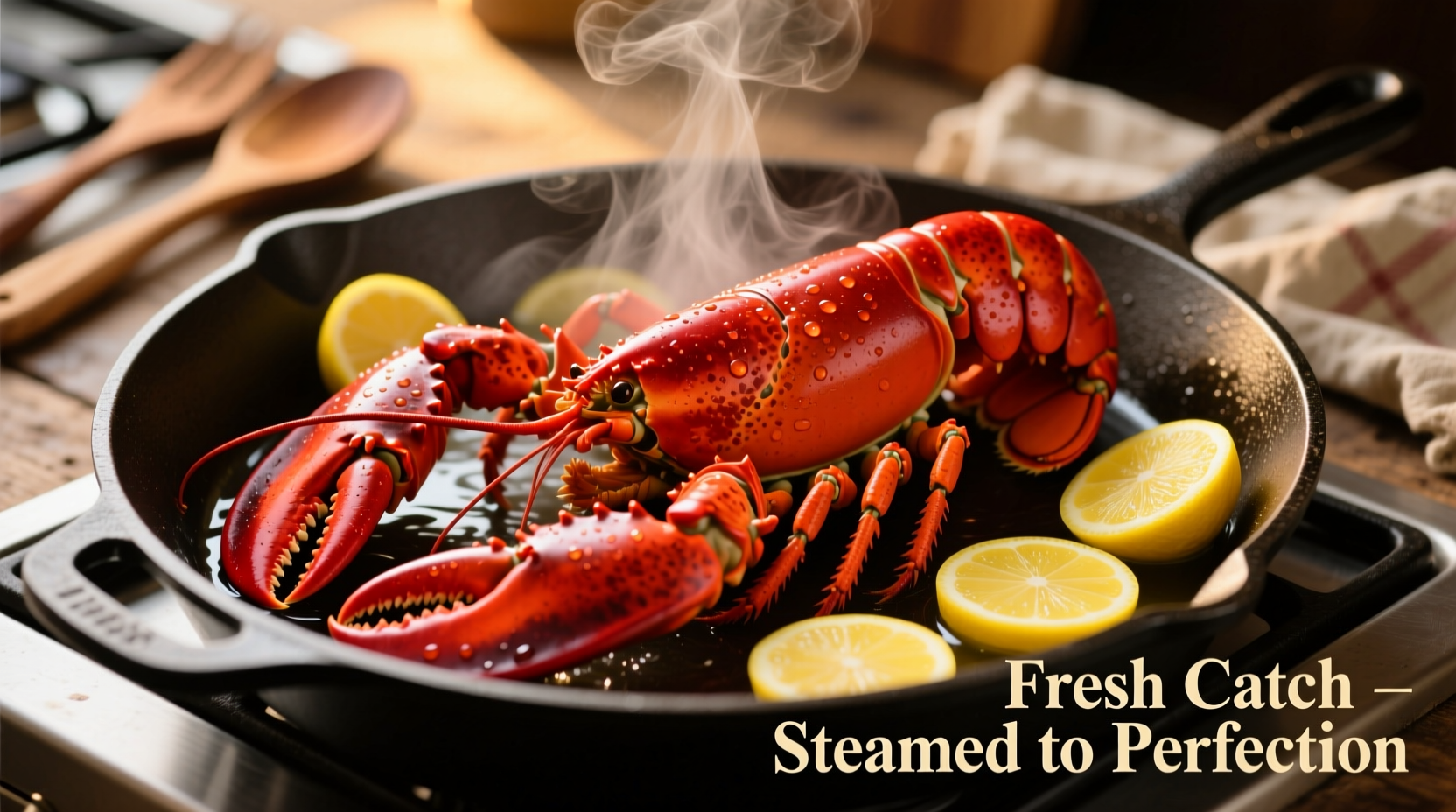
Professional kitchens prefer steaming for reheating cooked lobster because moist heat penetrates gently without leaching flavor. Here's the precise technique:
- Fill a pot with 1-2 inches of water and bring to a gentle simmer
- Place lobster in a steamer basket above the water (never submerged)
- Cover tightly with lid to trap steam
- Warm for exactly 3-5 minutes—set a timer!
- Check internal temperature with an instant-read thermometer
- Remove immediately when reaching 140°F
This method works equally well for whole lobster, tails, or claws. For extra flavor, add lemon slices, bay leaves, or a splash of white wine to the steaming liquid. The University of Maine Cooperative Extension confirms that steaming preserves seafood texture better than direct heat methods because it avoids temperature shock to delicate proteins.
Oven Method for Multiple Servings
When reheating several portions for guests, the oven provides consistent results:
- Preheat oven to 275°F (135°C)—never higher
- Place lobster on a baking sheet, shell-side down
- Brush lightly with melted butter or seafood stock
- Cover loosely with foil to trap moisture
- Warm until internal temperature reaches 140°F (10-15 minutes)
- Finish under broiler for 30 seconds for presentation
The Food and Drug Administration's Seafood HACCP guidelines specify that low-temperature oven reheating minimizes moisture loss while ensuring food safety. This method works particularly well when serving lobster as part of a plated dish.
Stovetop Technique for Quick Meals
For a fast weeknight option when time is limited:
- Heat 2 tablespoons of butter or olive oil in a skillet over medium-low
- Add lobster pieces, shell-side down
- Cover skillet with lid to create steam environment
- Warm for 2-3 minutes, checking temperature frequently
- Remove immediately at 140°F internal temperature
This approach works best for tail meat removed from the shell. Avoid high heat which causes rapid protein contraction. The National Fisheries Institute recommends this method only for shell-free portions as the direct contact can overcook shell-on lobster.
Critical Temperature Guidelines
Temperature control makes or breaks reheated lobster. Follow these science-based parameters:
- 140°F minimum: Required internal temperature for food safety (USDA standard)
- 145°F maximum: Point where texture deterioration begins
- 3-5 minutes: Optimal warming time at proper temperature
- Never exceed 150°F: Guaranteed rubbery results beyond this point
Always use an instant-read thermometer—guessing leads to disappointment. Insert the probe horizontally into the thickest part of the tail meat for accurate reading.
Serving Your Perfectly Warmed Lobster
Timing matters as much as the warming process itself:
- Serve immediately after warming—never hold in warming tray
- Accompany with melted butter, lemon wedges, and fresh herbs
- Pair with crusty bread to soak up juices
- Avoid heavy sauces that mask delicate flavor
- Consider a light white wine or sparkling water pairing
Remember that warmed lobster won't match freshly cooked quality—that's physics, not technique. But following these methods gets you 90% of the way there, preserving most of that premium texture and flavor.
Common Mistakes to Avoid
Even experienced cooks make these critical errors:
- Boiling: Submerging in water leaches flavor and causes immediate toughness
- High-heat methods: Broiling or grilling creates uneven cooking and dry spots
- Over-warming: Just 60 seconds too long ruins texture permanently
- Microwaving: Creates hot spots and steam explosions in the meat
- Skipping thermometer: Visual cues don't indicate proper internal temperature
Storage Guidelines for Leftover Success
Proper storage determines your reheating outcome:
- Refrigerate within 2 hours of cooking (1 hour if room temperature exceeds 90°F)
- Store in airtight container with damp paper towel to maintain humidity
- Consume within 2 days for best quality (USDA maximum is 3-4 days)
- Freeze for longer storage: wrap tightly in moisture-proof material
- Thaw frozen lobster overnight in refrigerator before reheating
The Maine Lobster Marketing Collaborative confirms that proper refrigeration preserves texture by slowing enzymatic breakdown. Never refreeze previously frozen cooked lobster.




 浙公网安备
33010002000092号
浙公网安备
33010002000092号 浙B2-20120091-4