
The Science Behind Glute Development: What Actually Works
Many people searching for what foods will make your buttocks bigger fall victim to misleading online claims promising quick fixes. The reality of body composition is more complex. As Antonio Rodriguez, our nutrition and food science expert explains: "Muscle growth follows specific physiological principles. You can't target growth in one area through diet alone - that's not how human biology works."
According to research from the American Council on Exercise, muscle hypertrophy (growth) occurs through:
- Mechanical tension from resistance training
- Muscle damage that triggers repair processes
- Metabolic stress that stimulates growth factors
Diet supports this process but doesn't directly cause growth in specific areas. Your body builds muscle where you train it, not where you eat certain foods.
Why "Spot Growth" Through Diet Is a Myth
The concept of "foods that build buttock muscle" misunderstands basic physiology. When you consume calories, your body distributes energy and nutrients based on systemic needs, not targeted areas. This is why countless studies, including research published in the Journal of Strength and Conditioning Research, confirm that spot reduction or spot growth through diet alone is impossible.
| Common Myth | Scientific Reality |
|---|---|
| Eating avocados makes your buttocks bigger | Avocados provide healthy fats that support hormone production, but won't target glute growth |
| Specific "glute foods" exist | No food targets growth to one body part; muscle grows where trained |
| Eating more calories makes your butt bigger first | Body fat distribution is genetically determined, not food-specific |
The Real Role of Nutrition in Glute Development
While no foods directly enlarge your buttocks, proper nutrition creates the foundation for muscle growth when combined with targeted exercise. Here's what actually matters for natural ways to enhance buttocks with diet:
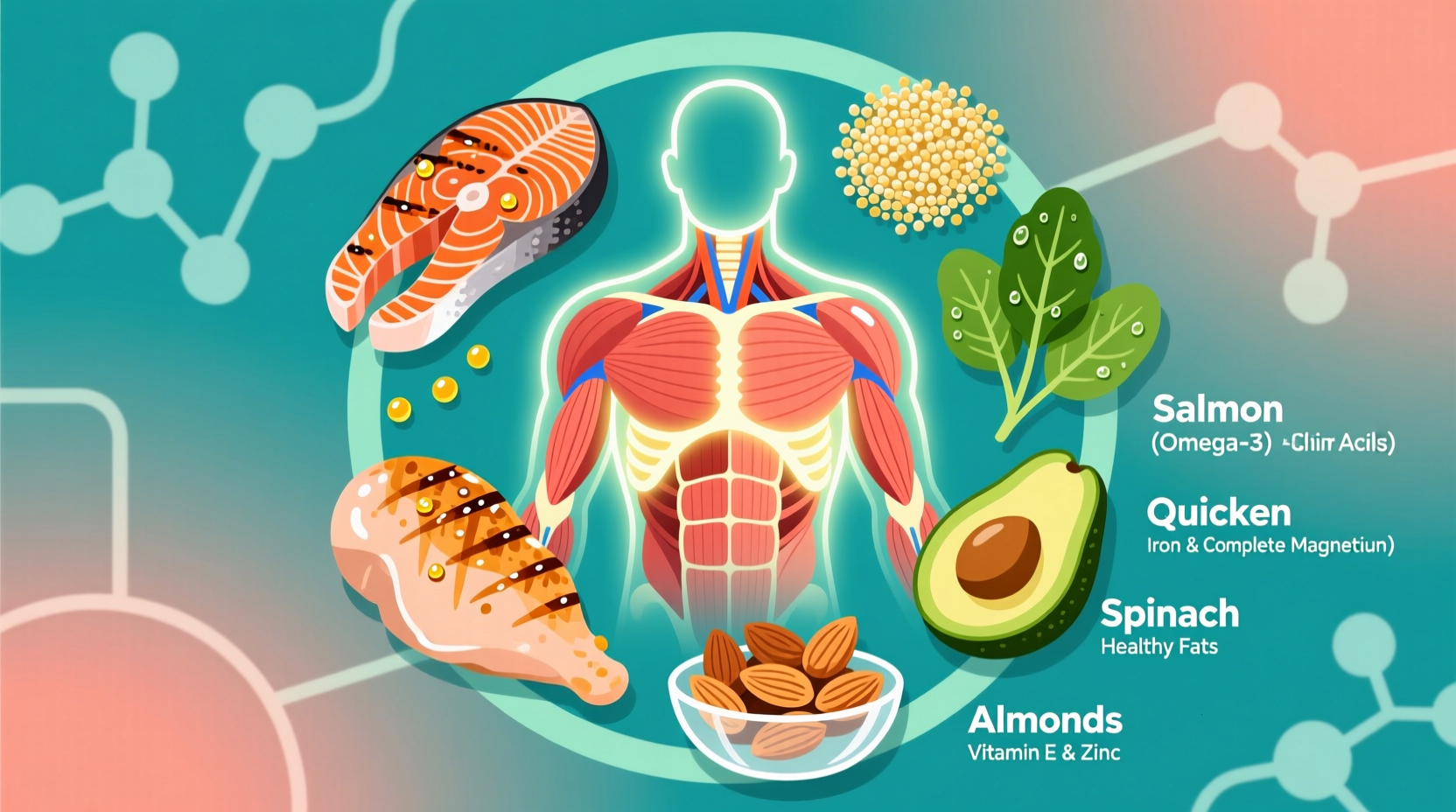
Protein: The Building Block
Protein provides amino acids necessary for muscle repair and growth. The National Academy of Sports Medicine recommends 1.6-2.2 grams of protein per kilogram of body weight daily for muscle development.
Top protein sources that support overall muscle growth:
- Lean meats (chicken, turkey)
- Fish (salmon, tuna)
- Eggs
- Legumes (lentils, chickpeas)
- Greek yogurt
Healthy Fats: Hormone Support
Healthy fats support testosterone and growth hormone production, which facilitate muscle development. The Harvard T.H. Chan School of Public Health emphasizes the importance of balanced fat intake for hormonal health.
Foods with healthy fats that support muscle development:
- Avocados
- Nuts and seeds
- Olive oil
- Fatty fish
Complex Carbohydrates: Training Fuel
Carbs replenish glycogen stores depleted during intense glute workouts. The American College of Sports Medicine notes that adequate carbohydrate intake improves workout performance and recovery.
Best complex carb sources for active individuals:
- Sweet potatoes
- Quinoa
- Oats
- Whole grain bread
- Fruits
Realistic Timeline for Glute Development
Understanding the timeline of muscle growth process sets realistic expectations. Based on research from sports medicine experts:
- Weeks 1-4: Neural adaptations - improved muscle activation without significant size changes
- Months 2-4: Initial hypertrophy as muscle fibers begin to grow
- Months 4-6: Visible changes with consistent training and nutrition
- 6+ months: Significant development with continued progressive overload
This progression assumes proper resistance training targeting the glutes 2-3 times weekly, adequate protein intake, and sufficient recovery time. No amount of "best foods to grow glutes" will accelerate this biological process.
Practical Implementation: What to Eat
Instead of searching for foods for bigger buttocks naturally, focus on these evidence-based nutrition strategies:
Pre-Workout Nutrition (1-2 hours before training)
- Complex carbs + moderate protein (e.g., oatmeal with Greek yogurt)
- Aim for 30-40g carbs and 15-20g protein
Post-Workout Nutrition (within 45 minutes)
- Protein + carbs to replenish glycogen and start repair (e.g., chicken with sweet potato)
- Target 20-30g protein and 40-60g carbs
Daily Nutrition Framework
- Protein at every meal (20-30g per serving)
- Healthy fats with each meal
- Complex carbs primarily around workouts
- Plenty of vegetables for micronutrients
Important Context Boundaries
Several factors influence your ability to develop glute size, regardless of diet:
- Genetics: Your natural body shape and fat distribution patterns are predetermined
- Training specificity: You must progressively overload glute muscles with targeted exercises
- Overall body fat: Visible muscle definition requires appropriate body fat percentage
- Hormonal factors: Testosterone and growth hormone levels impact muscle development capacity
As noted by the Mayo Clinic, excessive protein intake beyond recommended levels provides no additional muscle-building benefit and may strain kidneys.
What Doesn't Work (Despite Popular Claims)
Be wary of these common misconceptions about can diet increase glute size:
- "Glute-specific" supplements: No supplement targets growth to one body part
- Excessive calorie surplus: Leads to overall weight gain, not targeted growth
- Specific food combinations: No evidence that pairing certain foods enhances glute growth
- "Hormone-boosting" foods: While healthy, they don't significantly alter hormone levels enough to target growth
Your Action Plan for Glute Development
For those serious about developing stronger, more defined glutes, follow this evidence-based approach:
- Train specifically: Perform glute-focused exercises 2-3 times weekly (hip thrusts, squats, lunges)
- Progressive overload: Gradually increase weight, reps, or sets over time
- Optimize protein intake: 1.6-2.2g per kg of body weight daily, distributed across meals
- Support with healthy fats: Include quality fats at each meal for hormonal health
- Time carbs strategically: Focus complex carbs around workout periods
- Prioritize sleep: 7-9 hours nightly for optimal recovery and growth hormone release
- Be patient: Significant changes take 6-12 months of consistent effort
Remember, the most effective approach to nutrition for glute development combines proper training with balanced nutrition - not searching for magic foods that don't exist.




 浙公网安备
33010002000092号
浙公网安备
33010002000092号 浙B2-20120091-4