
Many people search for "what foods make your butt bigger" hoping for a quick dietary solution, but the reality of body composition is more nuanced. While no food magically targets your glutes, strategic nutrition combined with proper exercise creates the optimal conditions for developing stronger, more defined gluteal muscles. Understanding the science behind muscle development helps separate fact from the numerous myths circulating online about "butt-growing" superfoods.
The Science Behind Glute Development
Before exploring specific foods, it's crucial to understand that spot growth—targeting fat or muscle in one specific area through diet alone—is physiologically impossible. According to the American Council on Exercise, spot reduction remains a persistent myth in fitness. Your body develops muscle and distributes fat based on genetics, hormones, and overall training stimulus—not specific foods.
Developing your glutes requires two key components:
- Progressive resistance training that specifically targets gluteal muscles
- Adequate nutrition to support muscle growth and recovery
Without proper strength training, even the most "glute-friendly" diet won't produce significant changes in your backside. The foods you eat provide the building blocks for muscle development, but they work in conjunction with exercise—not as a standalone solution.
Common Misconceptions About Butt-Growing Foods
You've likely encountered claims about certain foods magically enlarging your glutes. Let's examine the reality behind popular assertions:
| Claimed "Butt-Growing" Food | Reality Check | Actual Benefit |
|---|---|---|
| Avocados | Won't specifically target glute growth | Provides healthy fats for hormone production |
| Sweet Potatoes | No spot-growth effect | Complex carbs for workout energy |
| Flaxseeds | Don't directly enlarge glutes | Omega-3s reduce inflammation for better recovery |
| Soy Products | Minimal impact on glute size | Plant-based protein source for muscle repair |
These foods offer nutritional benefits that support overall fitness and health, but none specifically target your glutes. The misconception often stems from confusing overall weight gain (which distributes fat throughout the body) with targeted muscle development.
Evidence-Based Nutrition for Glute Development
While no foods specifically target your glutes, certain nutrients play crucial roles in muscle development. Let's examine the science-backed dietary approach that supports glute growth when combined with proper training.
Protein: The Muscle Building Block
Protein provides the amino acids necessary for muscle protein synthesis—the process that builds and repairs muscle tissue. Research published in the Journal of the International Society of Sports Nutrition indicates that consuming 1.6-2.2 grams of protein per kilogram of body weight daily optimizes muscle growth.
Top protein sources that support overall muscle development:
- Eggs (complete protein with all essential amino acids)
- Lean chicken breast (high in leucine, which triggers muscle synthesis)
- Greek yogurt (provides protein plus probiotics for gut health)
- Lentils and beans (plant-based protein with fiber)
- Fatty fish like salmon (protein plus omega-3 fatty acids)
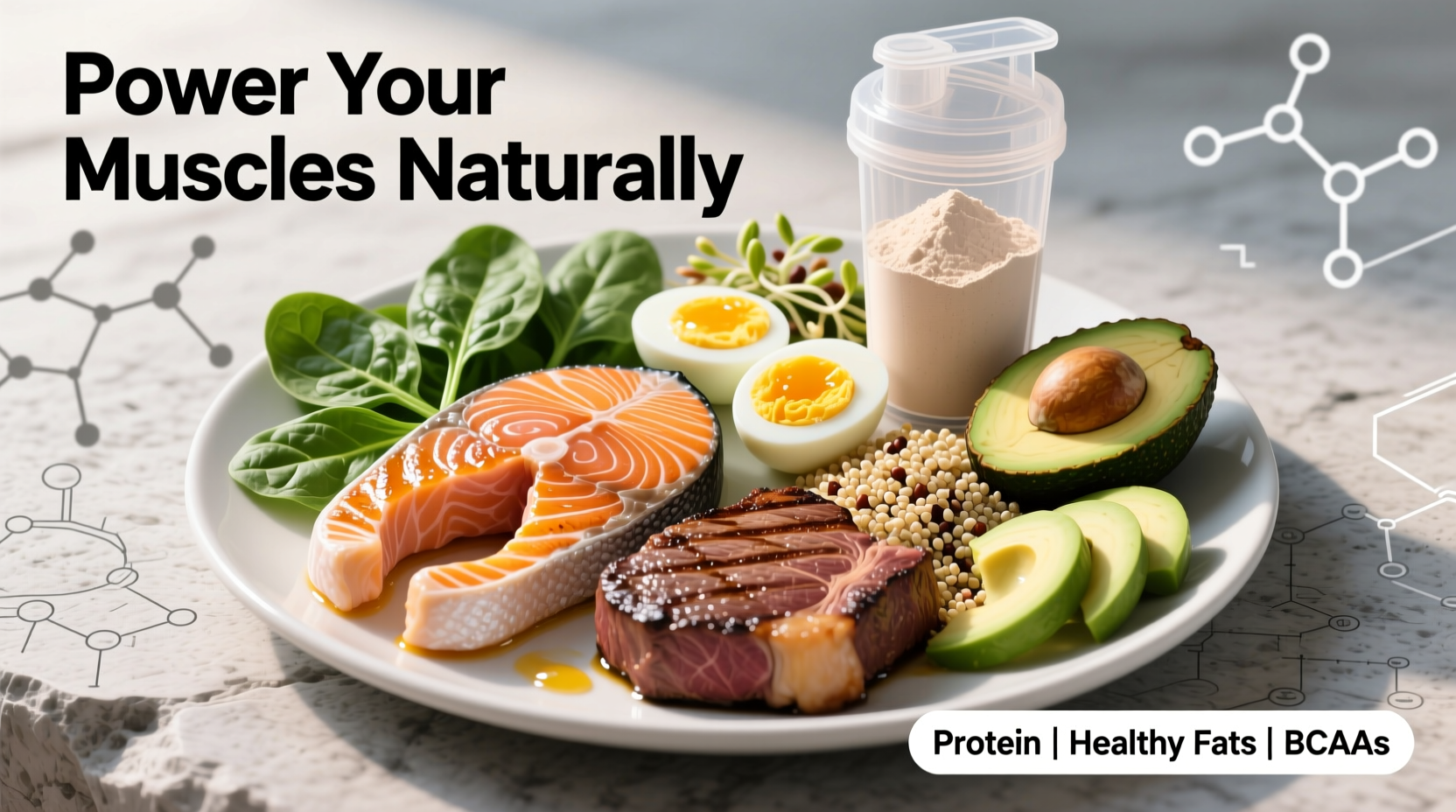
Healthy Fats: Hormone Support
Dietary fats play a crucial role in hormone production, including testosterone and growth hormone, which influence muscle development. According to Harvard Health, healthy fats support proper hormone function without negatively impacting body composition when consumed in appropriate amounts.
Foods rich in healthy fats that support overall muscle development:
- Avocados (monounsaturated fats)
- Nuts and seeds (omega-3 and omega-6 fatty acids)
- Olive oil (anti-inflammatory properties)
- Fatty fish (omega-3s for reducing exercise-induced inflammation)
Complex Carbohydrates: Training Fuel
Carbohydrates replenish glycogen stores depleted during intense glute-focused workouts. The American College of Sports Medicine recommends consuming carbohydrates before and after exercise to optimize performance and recovery.
Best complex carbohydrate sources for active individuals:
- Sweet potatoes (slow-digesting carbs plus vitamin A)
- Quinoa (complete protein plus complex carbs)
- Oats (sustained energy release)
- Berries (antioxidants to reduce muscle soreness)
- Whole grain bread (fiber for sustained energy)
The Essential Role of Exercise
No discussion about developing your glutes would be complete without emphasizing the non-negotiable role of exercise. Research published in the Journal of Strength and Conditioning Research demonstrates that hip thrust exercises specifically target glute development more effectively than traditional squats.
Effective glute-building exercises include:
- Hip thrusts (most glute activation)
- Deadlifts (posterior chain development)
- Squats (overall lower body strength)
- Lunges (unilateral strength and balance)
- Glute bridges (foundational movement pattern)
Remember that progressive overload—gradually increasing the weight, frequency, or number of repetitions in your training—is essential for continued muscle development. Pairing this training approach with proper nutrition creates the conditions for glute growth.
Realistic Timeline for Results
Understanding the realistic timeline for glute development prevents frustration and helps maintain motivation. Muscle growth follows a predictable pattern when consistent training and nutrition are applied:
| Timeframe | Physiological Changes | Visible Results |
|---|---|---|
| 0-4 weeks | Neuromuscular adaptation, improved mind-muscle connection | Increased strength, better muscle activation |
| 1-3 months | Initial muscle protein synthesis, improved recovery | Subtle shape changes, tighter appearance |
| 3-6 months | Significant hypertrophy (muscle growth) | Noticeable shape improvement, fuller appearance |
| 6-12+ months | Continued muscle development, potential for significant changes | Dramatic transformation possible with consistency |
Individual results vary based on factors including genetics, training consistency, nutrition quality, sleep quality, and starting point. Patience and consistency yield the best long-term results.
Putting It All Together: A Practical Approach
Developing stronger, more defined glutes requires integrating nutrition with targeted training. Here's how to create an effective plan:
- Train specifically for glute development 2-3 times weekly with progressive overload
- Consume adequate protein throughout the day (0.8-1g per pound of body weight)
- Include healthy fats to support hormone production
- Fuel workouts with complex carbohydrates
- Prioritize sleep and recovery (muscle grows during rest periods)
- Maintain consistency for at least 6 months to see significant changes
A sample day of eating that supports glute development might include:
- Breakfast: Greek yogurt with berries and almonds
- Lunch: Grilled chicken salad with avocado and quinoa
- Pre-workout: Apple with almond butter
- Post-workout: Protein shake with banana and spinach
- Dinner: Baked salmon with roasted sweet potatoes and asparagus
What Won't Work (And Why)
Understanding what doesn't work is just as important as knowing what does. Avoid these common pitfalls:
- Targeted butt creams or supplements - No topical product can selectively increase muscle size in one area
- Extreme calorie surplus - This leads to overall weight gain, not targeted glute growth
- Only doing cardio - While beneficial for health, cardio alone won't build significant muscle
- Isolating nutrition from exercise - Food provides building blocks, but exercise provides the stimulus for growth
Be wary of online claims promising dramatic results from specific foods alone. The human body doesn't work through magic solutions but through consistent application of scientifically-supported principles.
Frequently Asked Questions
Can specific foods make your butt bigger without exercise?
No, specific foods cannot make your butt bigger without exercise. While proper nutrition supports overall muscle development, building gluteal muscle requires resistance training to stimulate growth. Consuming excess calories from any food will lead to general weight gain rather than targeted glute development.
How long does it take to see results from glute-focused nutrition and training?
Most people begin noticing subtle changes in glute shape and firmness within 1-3 months of consistent training and proper nutrition. Significant visible changes typically take 3-6 months of dedicated effort, with continued improvement possible over 12+ months. Individual results vary based on genetics, training intensity, nutrition quality, and consistency.
Do protein supplements help with glute growth?
Protein supplements can help you meet daily protein requirements for muscle growth, but they're not essential. Whole food protein sources provide additional nutrients that support overall health. If you struggle to consume enough protein through food alone, supplements can be a convenient option to support your glute development goals when combined with proper training.
Should I eat more calories to grow my glutes?
You need adequate calories to support muscle growth, but excessive calorie intake leads to overall weight gain rather than targeted glute development. A slight calorie surplus (100-300 extra calories daily) combined with strength training provides optimal conditions for muscle growth while minimizing fat gain. Focus on nutrient-dense foods rather than simply increasing calorie quantity.
Are there foods I should avoid for glute development?
While no foods directly hinder glute growth, highly processed foods, excessive sugar, and unhealthy fats can negatively impact overall health, hormone balance, and body composition. These foods may contribute to inflammation that slows recovery and makes it harder to achieve optimal body composition for visible muscle definition. Focus on whole, nutrient-dense foods for best results.




 浙公网安备
33010002000092号
浙公网安备
33010002000092号 浙B2-20120091-4