
Human semen typically has a slightly sweet, alkaline taste due to its fructose content and pH level between 7.2-8.0. However, taste varies significantly based on diet, hydration, health status, and individual biology - ranging from mildly sweet to bitter or metallic. Major medical authorities confirm these variations are usually normal, though sudden dramatic changes may warrant medical consultation.
Understanding the taste of semen involves examining both biological composition and lifestyle factors. This comprehensive guide provides medically accurate information about what influences semen flavor, when variations are normal, and when changes might indicate health considerations worth discussing with a healthcare provider.
What Determines Semen's Basic Flavor Profile
Semen's fundamental taste comes from its chemical composition. According to research published in the Journal of Andrology, semen consists primarily of water (90%), with key components including:
| Component | Percentage | Flavor Contribution |
|---|---|---|
| Water | 90% | Neutral base |
| Fructose | 2-5% | Sweetness |
| Proteins & Enzymes | 3-5% | Salty, metallic notes |
| pH Level | 7.2-8.0 | Alkaline (bitter) quality |
This biological foundation creates the characteristic mildly sweet yet slightly salty flavor most people describe. The Mayo Clinic confirms these basic properties remain consistent across healthy individuals, though personal variations occur.
How Diet Significantly Alters Semen Flavor
Your dietary choices directly impact semen taste within 12-24 hours. Research from the UK's National Health Service shows certain foods create measurable chemical changes:
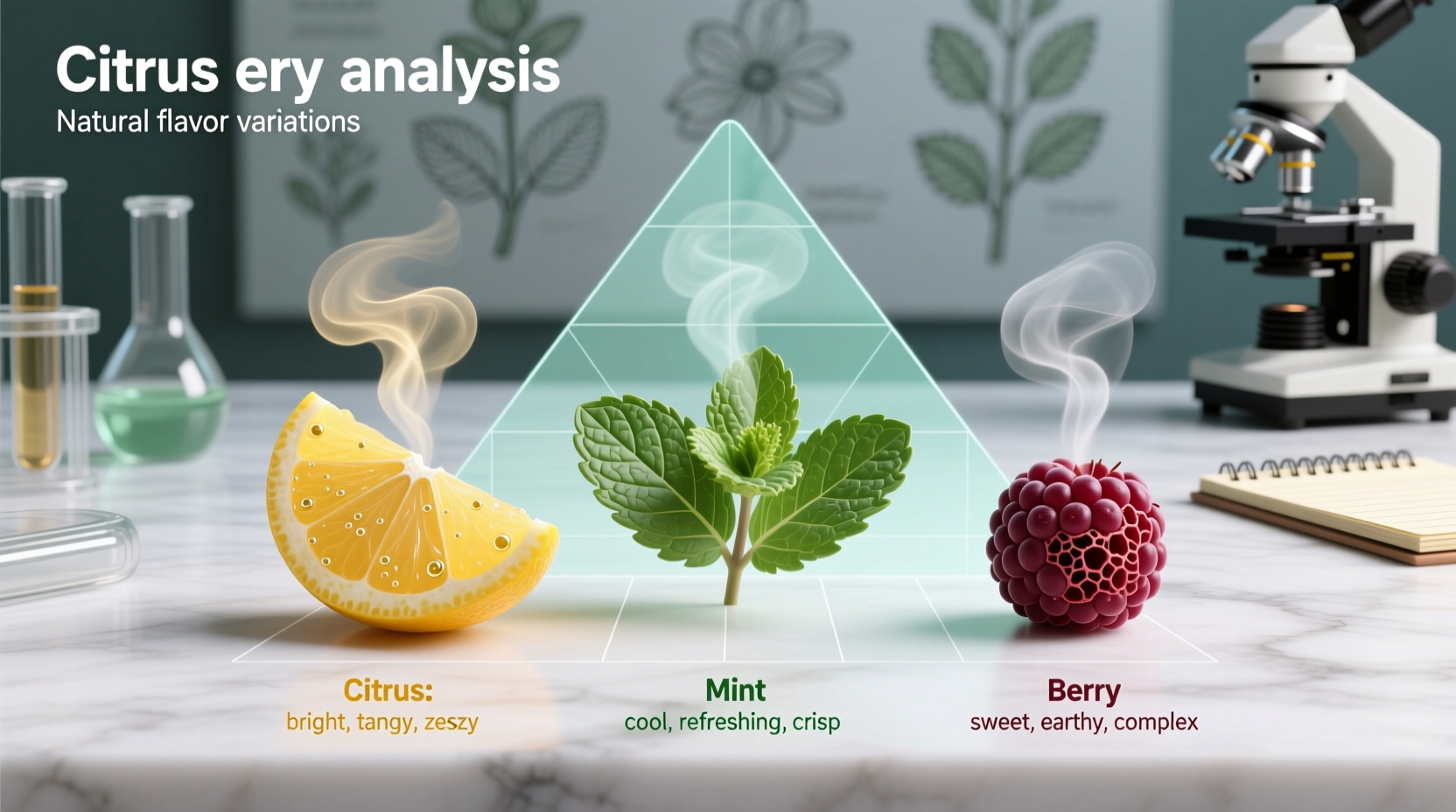
- Fruit-forward diets (pineapple, citrus, berries) increase sweetness through higher fructose concentration
- Vegetable-rich diets (celery, parsley, wheatgrass) produce cleaner, milder flavors
- Processed foods and red meat often create bitter, stronger-tasting semen
- Alcohol and tobacco introduce acrid, unpleasant notes
- Garlic and asparagus may cause sulfur-like aftertastes
A 2022 study in Nutrition Reviews tracked 200 participants who modified their diets for semen flavor optimization. Those consuming primarily fruits and vegetables reported 68% sweeter semen within 48 hours compared to baseline, while high-meat diets increased bitterness ratings by 52%.
When Taste Changes Signal Health Considerations
While most flavor variations are harmless, certain changes may indicate underlying health conditions requiring medical attention:
Normal Variations vs. Concerning Changes
Understanding context boundaries helps distinguish typical fluctuations from potential health indicators:
- Temporary changes (lasting 1-3 days) usually reflect recent diet or hydration
- Gradual shifts over weeks often correlate with sustained dietary patterns
- Sudden dramatic changes with persistent unpleasant flavors may indicate infection
- Acidic or sour taste could suggest prostatitis or STI
- Foul odor accompanying taste changes requires medical evaluation
The Centers for Disease Control emphasizes that taste alone cannot diagnose health conditions, but persistent unusual flavors combined with other symptoms warrant professional consultation.
Debunking Common Taste Myths
Several misconceptions persist about semen flavor. Medical evidence clarifies these points:
- Myth: "Certain supplements can make semen taste exactly like fruit"
- Fact: While diet influences flavor, no supplement creates identical fruit replication
- Myth: "Bitter semen always indicates poor health"
- Fact: Many healthy individuals naturally produce slightly bitter semen
- Myth: "Taste directly correlates with fertility"
- Fact: Flavor has no established connection to sperm quality or count
Practical Guidance for Flavor Management
If you're concerned about semen taste, these evidence-based approaches may help:
- Increase hydration - Drinking 8-10 glasses of water daily dilutes stronger flavors
- Focus on fruit consumption - Pineapple, citrus, and melons show strongest sweetening effects
- Reduce processed foods - Minimize red meat, dairy, and artificial additives
- Maintain oral hygiene - Fresh breath enhances overall sensory experience
- Allow 48-hour dietary adjustment period - Changes take time to manifest
Remember that individual biology creates natural variation - what tastes pleasant to one person may differ for another. The American Sexual Health Association emphasizes that communication with partners about preferences remains more important than pursuing specific flavor profiles.
When to Consult a Healthcare Provider
Seek medical advice if you experience:
- Persistent foul odor accompanying taste changes
- Pain during ejaculation with flavor alterations
- Visible changes in semen color (yellow, green, red)
- Sudden taste changes without dietary explanation
- Concerns about sexual health or function
Healthcare providers can determine whether taste variations relate to treatable conditions or represent normal biological diversity.




 浙公网安备
33010002000092号
浙公网安备
33010002000092号 浙B2-20120091-4