
What Exactly Is Pico de Gallo?
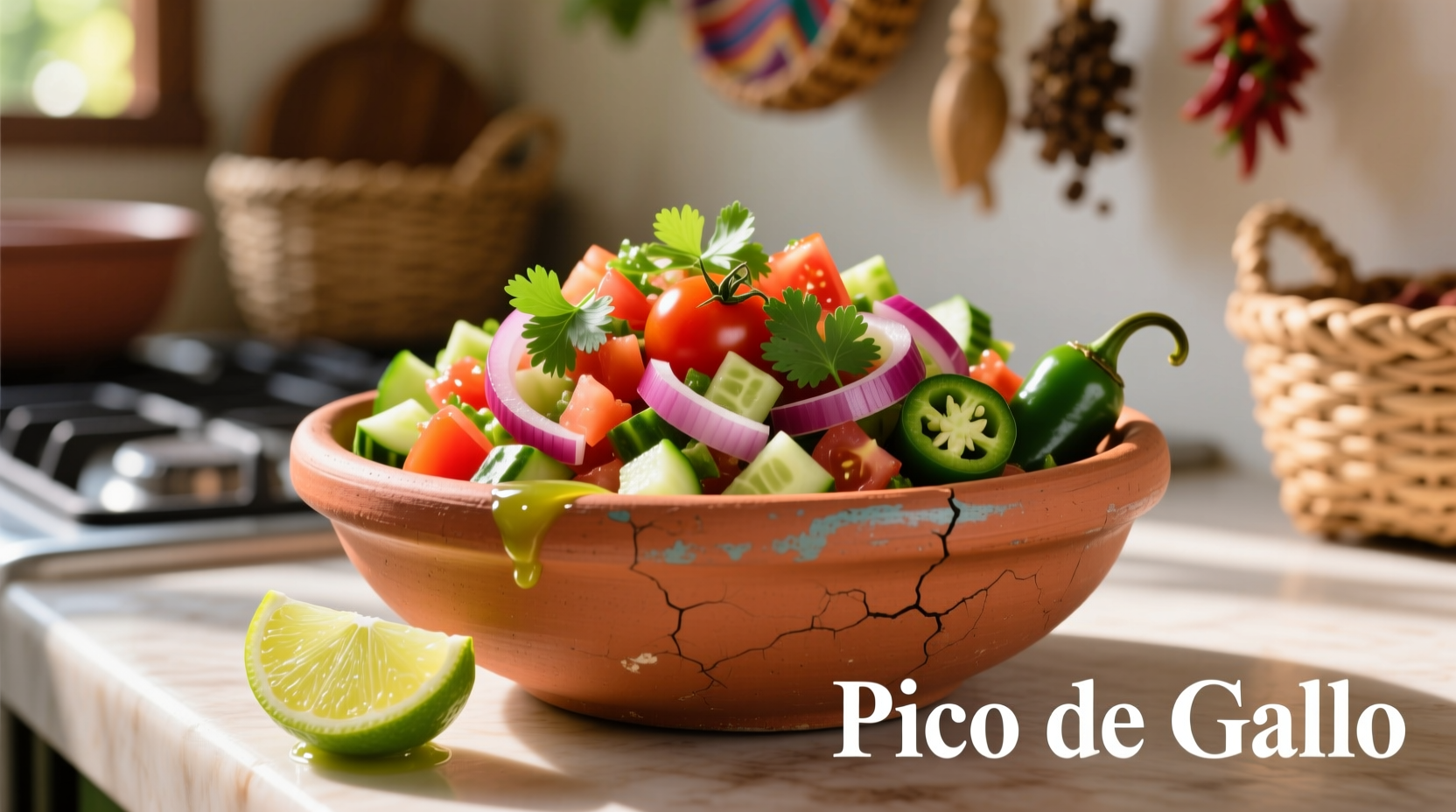
When people search for “what is pico food,” they're typically referring to pico de gallo, one of Mexico's most iconic fresh salsas. This uncooked condiment gets its name from the way the chopped ingredients resemble a rooster's beak (pico de gallo in Spanish). Unlike blended or cooked salsas, pico de gallo maintains distinct textures from each ingredient, creating a refreshing counterpoint to rich Mexican dishes.
The National Institute of Anthropology and History in Mexico confirms that fresh tomato-based salsas like pico de gallo have evolved from pre-Hispanic traditions, with the modern version developing after Spanish colonization introduced onions and cilantro to the region. This historical evolution represents a perfect fusion of indigenous and European culinary traditions.
Traditional Ingredients and Preparation
Authentic pico de gallo follows a precise ingredient ratio that balances flavors and textures:
- 4 ripe Roma tomatoes, finely diced
- 1 small white onion, minced
- 1-2 fresh jalapeños, seeds removed for milder heat
- 1/2 cup fresh cilantro leaves, chopped
- 2 tablespoons fresh lime juice
- 1/2 teaspoon sea salt
The Mexican Ministry of Agriculture emphasizes that using ripe, in-season tomatoes is crucial for authentic flavor. “The quality of tomatoes directly impacts the final product,” states their culinary guidelines, “as underripe tomatoes lack the necessary sweetness to balance the acidity.”
Pico de Gallo vs. Other Salsas: Key Differences
| Salsa Type | Texture | Preparation | Primary Ingredients | Best Used With |
|---|---|---|---|---|
| Pico de Gallo | Chunky, fresh | No cooking required | Tomatoes, onion, cilantro, jalapeño | Tacos, grilled meats, eggs |
| Salsa Verde | Smooth to chunky | Cooked tomatillos | Tomatillos, serrano peppers, cilantro | Pozole, enchiladas, fish |
| Salsa Roja | Smooth | Cooked tomatoes | Cooked tomatoes, chilies, garlic | Bean dishes, soups, quesadillas |
Regional Variations Across Mexico
Pico de gallo isn't uniform across Mexico—regional differences reflect local agricultural practices and cultural influences. According to culinary research documented by the Smithsonian National Museum of the American Indian, northern Mexican versions often include cucumbers for added crunch, while coastal regions might incorporate fresh seafood.
In Yucatán, cooks sometimes substitute habanero peppers for jalapeños, creating a distinctive fiery version that complements the region's citrus-marinated dishes. Central Mexico maintains the classic preparation, while Baja California versions occasionally include avocado for creaminess.
Perfecting Your Pico de Gallo: Pro Tips
Creating authentic pico de gallo requires more than just combining ingredients. Follow these professional techniques to elevate your preparation:
Ingredient Preparation Matters
Cut all ingredients to the same size for balanced flavor in every bite. The ideal dice is approximately 1/4 inch – large enough to maintain texture but small enough to blend flavors. Never use a food processor, as this creates an inconsistent texture and releases too much liquid from the tomatoes.
Timing Is Everything
Allow your pico de gallo to rest for 20-30 minutes after preparation before serving. This crucial resting period lets the salt draw out flavors and allows the lime juice to meld the ingredients. However, don't let it sit longer than 2 hours, as the tomatoes will become too watery and lose their fresh texture.
Avoid Common Mistakes
Many home cooks make these critical errors:
- Using underripe tomatoes (lacks sweetness)
- Adding ingredients in the wrong order (always mix salt with tomatoes first)
- Using dried cilantro (fresh is essential)
- Refrigerating before serving (chilling dulls flavors)
Culinary Applications: Beyond Tacos
While pico de gallo traditionally accompanies tacos and grilled meats, modern chefs have expanded its applications. Try these creative uses:
- Breakfast boost: Top scrambled eggs or avocado toast
- Seafood enhancement: Serve with grilled fish or shrimp
- Salad base: Mix with mixed greens for a Mexican-inspired salad
- Soup garnish: Add freshness to black bean or tortilla soup
- Cocktail ingredient: Stir into Bloody Maria or Michelada
Professional chefs note that pico de gallo's acidity makes it an excellent palate cleanser between rich courses. Its bright flavors cut through fatty foods while enhancing more delicate preparations.
Storage and Food Safety Guidelines
Due to its fresh ingredients, pico de gallo has specific storage requirements. The Food and Drug Administration recommends consuming homemade pico de gallo within 24 hours for optimal freshness and safety. Store in an airtight container in the refrigerator, but remember that the texture will degrade over time as the salt continues to draw out moisture.
For longer storage, consider making smaller batches more frequently rather than attempting to preserve larger quantities. Never leave pico de gallo at room temperature for more than 2 hours, as the combination of fresh produce and acidic ingredients creates ideal conditions for bacterial growth.




 浙公网安备
33010002000092号
浙公网安备
33010002000092号 浙B2-20120091-4