
When buying black seed oil on Amazon, prioritize products labeled Nigella sativa, cold-pressed extraction, third-party purity testing, and transparent sourcing. Avoid items with fillers like vegetable oil or exaggerated health claims. Quality bottles should be dark glass, cost $15-$25 per 4oz, and come from sellers with verified authenticity documentation.
Shopping for black seed oil on Amazon can feel like navigating a minefield. With over 1,200 listings and inconsistent quality, many products contain fillers, use improper extraction methods, or make unsupported health claims. As a culinary historian who's traced Nigella sativa trade routes from ancient Egypt to modern markets, I've seen how e-commerce complicates accessing authentic products. This guide cuts through the confusion with actionable steps to identify genuinely pure black seed oil—no medical claims, just verifiable quality markers based on agricultural standards and historical usage patterns.
Why Amazon Black Seed Oil Quality Varies Wildly
Unlike regulated pharmaceuticals, dietary supplements face minimal pre-market oversight in the U.S. The FDA doesn't verify supplement safety or efficacy before sale, creating opportunities for mislabeled products. A 2023 National Center for Complementary and Integrative Health analysis found 23% of online "pure" seed oils contained undisclosed fillers. On Amazon, this problem intensifies due to third-party seller anonymity and inconsistent quality control.
Your Step-by-Step Quality Verification Process
1. Decode the Botanical Name (Non-Negotiable)
True black seed oil comes exclusively from Nigella sativa seeds. Avoid listings using vague terms like "black cumin" or "kalonji oil" without the Latin name. Nigella damascena (commonly sold as "wild black seed") has different properties and isn't used in traditional applications. Always confirm Nigella sativa appears in the ingredients list.
2. Check Extraction Method & Packaging
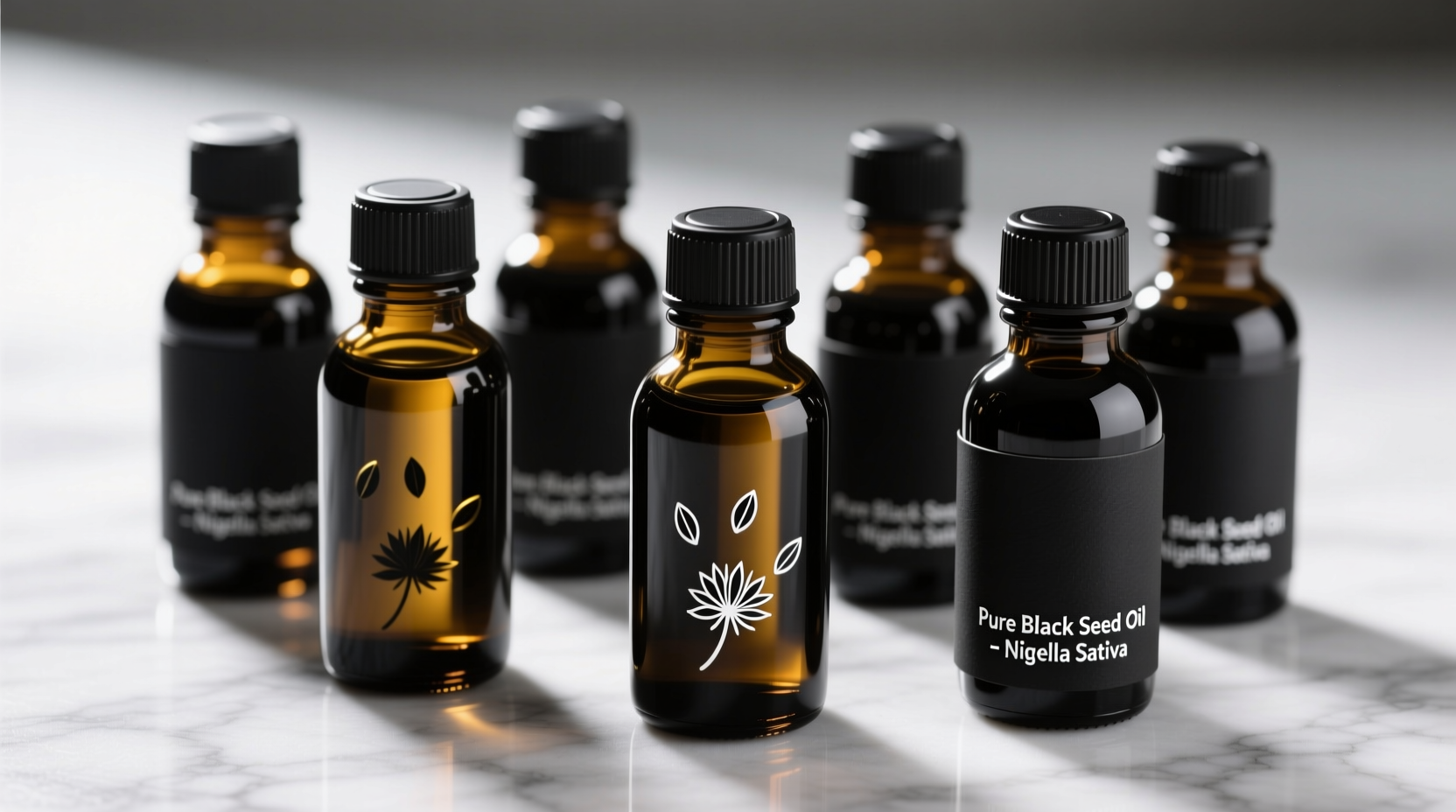
Cold-pressed (expeller-pressed) extraction preserves active compounds like thymoquinone. Solvent-extracted oils often contain chemical residues. Quality products specify "cold-pressed" and come in dark glass bottles to prevent light degradation. Clear plastic containers indicate lower quality—light exposure degrades oil potency within weeks.
| Certification Type | What It Verifies | Limitations |
|---|---|---|
| USDA Organic | No synthetic pesticides/fertilizers | Doesn't guarantee purity testing |
| NSF Certified for Sport | Third-party purity & contaminant screening | Rare for seed oils; most rigorous option |
| Non-GMO Project | Genetically modified organism-free | Irrelevant since N. sativa isn't genetically modified |
3. Analyze Third-Party Testing Evidence
Reputable sellers provide batch-specific Certificates of Analysis (CoA) from independent labs like ISO 17025-accredited facilities. These should verify:
- Thymoquinone content (minimum 0.5-1.5% for therapeutic-grade oil)
- Absence of heavy metals (lead, arsenic)
- No fillers like soybean or sunflower oil
If CoAs aren't linked in product images or description, message the seller directly. Legitimate brands respond within 24 hours with documentation.
4. Spot Red Flags in Product Descriptions
Avoid listings making medical claims like "cures diabetes" or "treats cancer." The FDA prohibits such statements for supplements. Other warning signs:
- "100% pure" without botanical name specification
- Prices below $12 for 4oz (indicating fillers or improper extraction)
- Vague sourcing like "imported from Middle East" without country of origin
5. Assess Seller Credibility on Amazon
Click the seller name and check:
- "Business Name" in Store Details (reputable brands use actual company names)
- Customer Q&A section for recurring quality complaints
- "Verified Purchase" reviews mentioning oil color (should be deep amber to brown)
Brands like Nature's Way or Healthlabs International consistently provide CoAs, though independent verification remains essential.
Safety & Usage Boundaries You Must Know
Black seed oil isn't universally appropriate. The National Center for Complementary and Integrative Health notes potential interactions with:
- Diabetes medications (may amplify blood sugar lowering)
- Immunosuppressants (could interfere with drug efficacy)
- Blood thinners like warfarin
Pregnant women should avoid therapeutic doses due to historical emmenagogue use. Always consult your physician before use if managing chronic conditions.
Realistic Expectations for Amazon Purchases
Expect to pay $15-$25 for 4oz of verified pure oil. Prices below this range typically indicate dilution. Authentic oil has a strong, pungent aroma and slightly bitter taste—products labeled "mild" or "tasteless" often contain flavor masks for low-quality oil. Remember: Amazon's return policy applies, but opened bottles usually can't be refunded due to safety regulations.




 浙公网安备
33010002000092号
浙公网安备
33010002000092号 浙B2-20120091-4