
Selecting Quality Sea Scallops for Cooking
Choosing the right scallops is your first step toward restaurant-quality results at home. Not all scallops are created equal, and understanding the difference impacts your final dish significantly.
Sea scallops fall into two main categories: dry-packed and wet-packed. Dry-packed scallops have no chemical additives and contain less moisture, making them ideal for achieving that perfect sear. Wet-packed scallops are treated with sodium tripolyphosphate (STPP) to retain water weight, which prevents proper browning and creates steaming instead of searing.
| Characteristic | Dry-Packed Scallops | Wet-Packed Scallops |
|---|---|---|
| Appearance | Opaque ivory or light pink | Bright white, almost translucent |
| Texture | Firm, slightly tacky surface | Slippery, shiny surface |
| Smell | Sweet ocean scent | Chemical odor, sometimes ammonia-like |
| Cooking Result | Beautiful golden crust | Steamed, rubbery texture |
When shopping, look for "dry" or "dry-packed" on the label. If purchasing from a fish counter, ask specifically for dry scallops. The FDA recommends consuming seafood within 1-2 days of purchase when stored properly at 40°F or below.
Essential Preparation Steps Before Cooking
Proper preparation makes the difference between rubbery disappointment and culinary success. Many home cooks skip these critical steps, leading to subpar results.
Drying your scallops thoroughly is non-negotiable. Even dry-packed scallops contain surface moisture that prevents proper searing. Place scallops on a double layer of paper towels, cover with more towels, and gently press. Let them rest 15 minutes in the refrigerator while you prepare other ingredients. This simple step removes excess moisture that would otherwise create steam instead of that desirable crust.
Next, remove the side muscle if present—a small, tough tab of tissue on the side of each scallop. It's edible but has a different texture that can distract from your perfect sear. Simply pinch it between your fingers and pull it away.
Season scallops with kosher salt and freshly ground black pepper just before cooking. Avoid seasoning too early, as salt draws out moisture. For best results, bring scallops to room temperature 20-30 minutes before cooking—this ensures even cooking without overcooking the exterior.
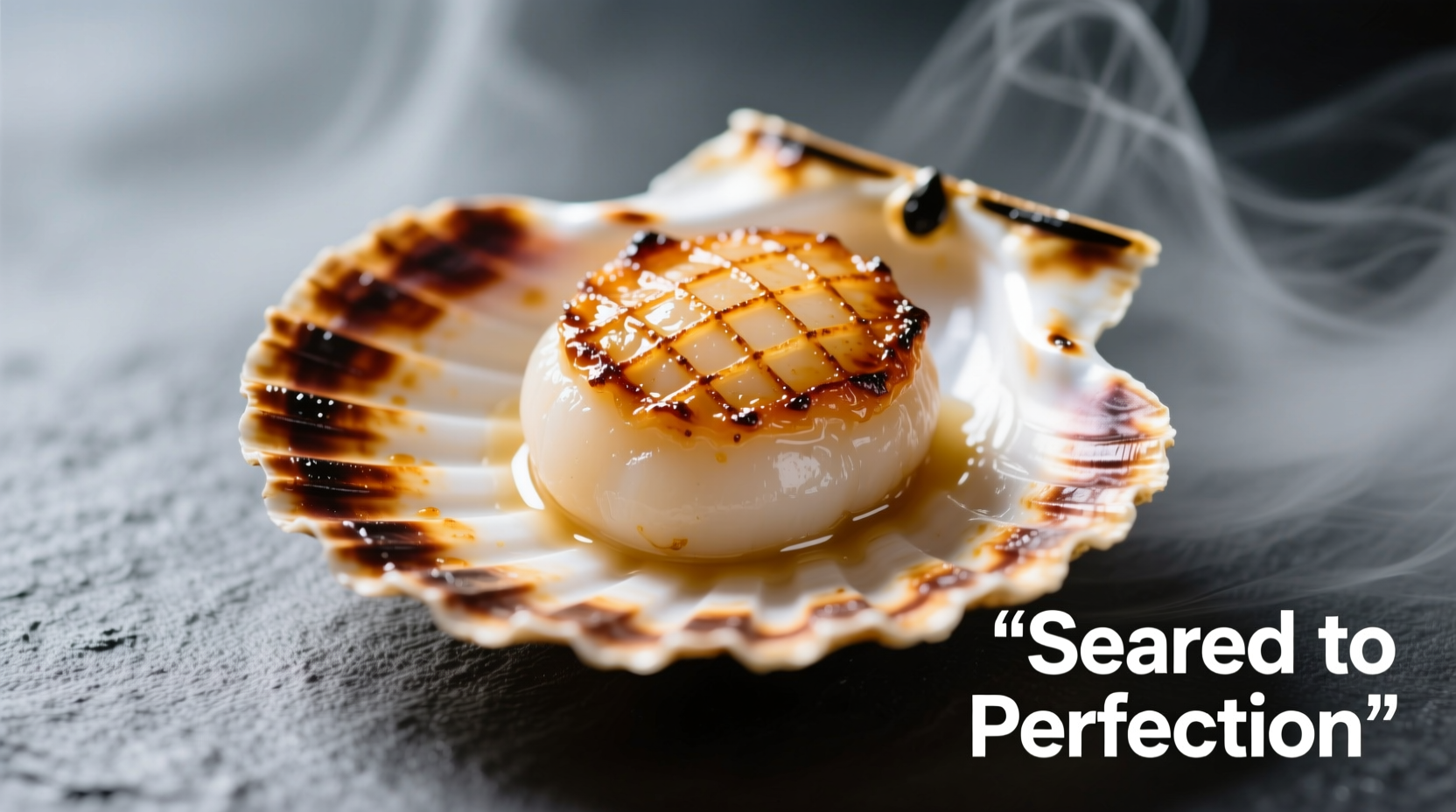
Equipment and Heat Management for Perfect Searing
The right equipment creates the foundation for success. Your pan choice matters more than you might think.
Cast iron or stainless steel skillets work best for searing scallops. Non-stick pans don't get hot enough for proper Maillard reaction (the chemical process that creates browning and complex flavors). Heat your pan over medium-high to high heat for 3-5 minutes until properly hot. Test by sprinkling a few drops of water—they should dance and evaporate immediately.
Use a high smoke-point oil like avocado, grapeseed, or clarified butter (regular butter burns too easily). Add just enough to coat the bottom of the pan—about 1-2 teaspoons. Wait until the oil shimmers but doesn't smoke before adding scallops.
Step-by-Step Perfect Scallops Technique
Now for the moment of truth. Follow these precise steps for consistently excellent results:
- Pat scallops completely dry (critical step!)
- Season with salt and pepper just before cooking
- Heat oil in preheated pan until shimmering
- Place scallops in pan, leaving space between them
- Press gently for 5 seconds to ensure full contact
- Cook undisturbed for 2-3 minutes until golden brown crust forms
- Flip with tongs (never a fork) and cook 1-2 minutes more
- Optional: Add butter, garlic, and herbs during last minute
- Remove immediately and rest 2 minutes before serving
The Culinary Institute of America emphasizes that minimal handling is crucial—resist the urge to move scallops while searing. The crust needs time to develop properly. When ready to flip, they'll release naturally from the pan. If they stick, they're not ready yet.
Perfectly cooked scallops should reach an internal temperature of 115-125°F (46-52°C), continuing to cook slightly from residual heat to the ideal 120-130°F (49-54°C). Overcooking beyond 140°F (60°C) causes the proteins to tighten excessively, resulting in that dreaded rubbery texture.
Troubleshooting Common Scallops Problems
Even experienced cooks encounter issues. Here's how to solve the most frequent problems:
- Scallops sticking to the pan: Pan wasn't hot enough, scallops weren't dry enough, or you moved them too soon. Wait until they release naturally.
- Rubbery texture: Overcooking or using wet-packed scallops. Reduce cooking time and ensure proper scallop selection.
- Uneven browning: Crowding the pan lowers temperature. Cook in batches with space between scallops.
- Excessive moisture in pan: Scallops weren't dried properly. Pat thoroughly and consider using dry-packed scallops.
Professional chefs like Thomas Keller emphasize that patience is the secret ingredient. Let the scallops develop their crust without interference. The cooking process should take no more than 5 minutes total for perfect results.
Serving Suggestions for Restaurant-Quality Presentation
Complete your dish with simple accompaniments that enhance rather than overwhelm the delicate scallop flavor.
A squeeze of fresh lemon juice just before serving brightens the natural sweetness. For a classic finish, add a pat of compound butter during the last minute of cooking—the emulsified fats create a silky sauce that clings to the scallops.
Pair with light sides that complement without competing: lemon-herb rice, roasted asparagus, or a simple arugula salad with citrus vinaigrette. When plating, arrange scallops upright to showcase the beautiful sear on both sides.




 浙公网安备
33010002000092号
浙公网安备
33010002000092号 浙B2-20120091-4