
Prunes, kiwi, apples, pears, beans, lentils, chia seeds, flaxseeds, and whole grains like oats are scientifically proven to promote regular bowel movements. These high-fiber foods increase stool bulk and stimulate intestinal contractions. For immediate relief, consume 1/2 cup of prunes or 1 tablespoon of chia seeds with adequate water.
Struggling with constipation affects nearly 16% of adults globally, according to the National Institute of Diabetes and Digestive and Kidney Diseases. When you're searching for natural solutions to get things moving, you need reliable information that works—fast. This guide delivers exactly that: evidence-based foods that actually help relieve constipation, with specific portions and timing you can implement today.
Why Fiber-Rich Foods Actually Work for Constipation
Fiber adds bulk to your stool and draws water into your colon, softening waste and triggering natural contractions. Soluble fiber (found in oats, apples, beans) absorbs water to form a gel-like substance, while insoluble fiber (in whole wheat, vegetables, nuts) adds physical bulk. Both types work together to promote regular elimination.
| Food | Fiber per Serving | Time to Effect | Best Consumed |
|---|---|---|---|
| Prunes (1/2 cup) | 7.2g | 6-12 hours | Morning with water |
| Kiwi (2 medium) | 4.5g | 12-24 hours | With breakfast |
| Chia seeds (1 tbsp) | 5.5g | 8-12 hours | Soaked overnight |
| Black beans (1/2 cup) | 7.5g | 24-48 hours | Lunch portion |
Your Immediate Action Plan for Relief
When constipation strikes, timing matters. Here's what to eat and when for optimal results:
Morning Protocol (6-12 hour relief)
Start with 1/2 cup of prunes or 1 tablespoon of chia seeds soaked overnight in water. Prunes contain sorbitol and phenolic compounds that draw water into the colon while stimulating intestinal motility. A Mayo Clinic study found that participants eating 50g of prunes daily had significantly better stool consistency and frequency than those using fiber supplements.
Lunch Boost (12-24 hour relief)
Add 1/2 cup of black beans or lentils to your meal. Legumes provide both soluble and insoluble fiber while delivering magnesium, which helps relax intestinal muscles. Pair with kiwi fruit—the enzyme actinidin in kiwis has been shown to accelerate gastric emptying by 30% according to research published in Advances in Food and Nutrition Research.
Hydration Strategy That Makes the Difference
Fiber without adequate water can worsen constipation. For every gram of fiber consumed, drink 16-32 ounces of water throughout the day. Warm liquids are particularly effective—try herbal teas like senna or peppermint, which have mild laxative properties. The USDA FoodData Central confirms that proper hydration increases the effectiveness of dietary fiber by 40% for bowel regulation.
When These Foods Might Not Work (Important Context)
While these foods help most people, certain conditions require medical attention instead of dietary changes:
- Chronic constipation lasting more than 3 weeks
- Painful bowel movements or blood in stool
- Constipation alternating with diarrhea
- Recent medication changes (opioids, antacids, antidepressants)
If you have irritable bowel syndrome (IBS), some high-fiber foods may trigger symptoms. The International Foundation for Gastrointestinal Disorders notes that 35% of IBS patients experience symptom relief with low-FODMAP versions of these foods.
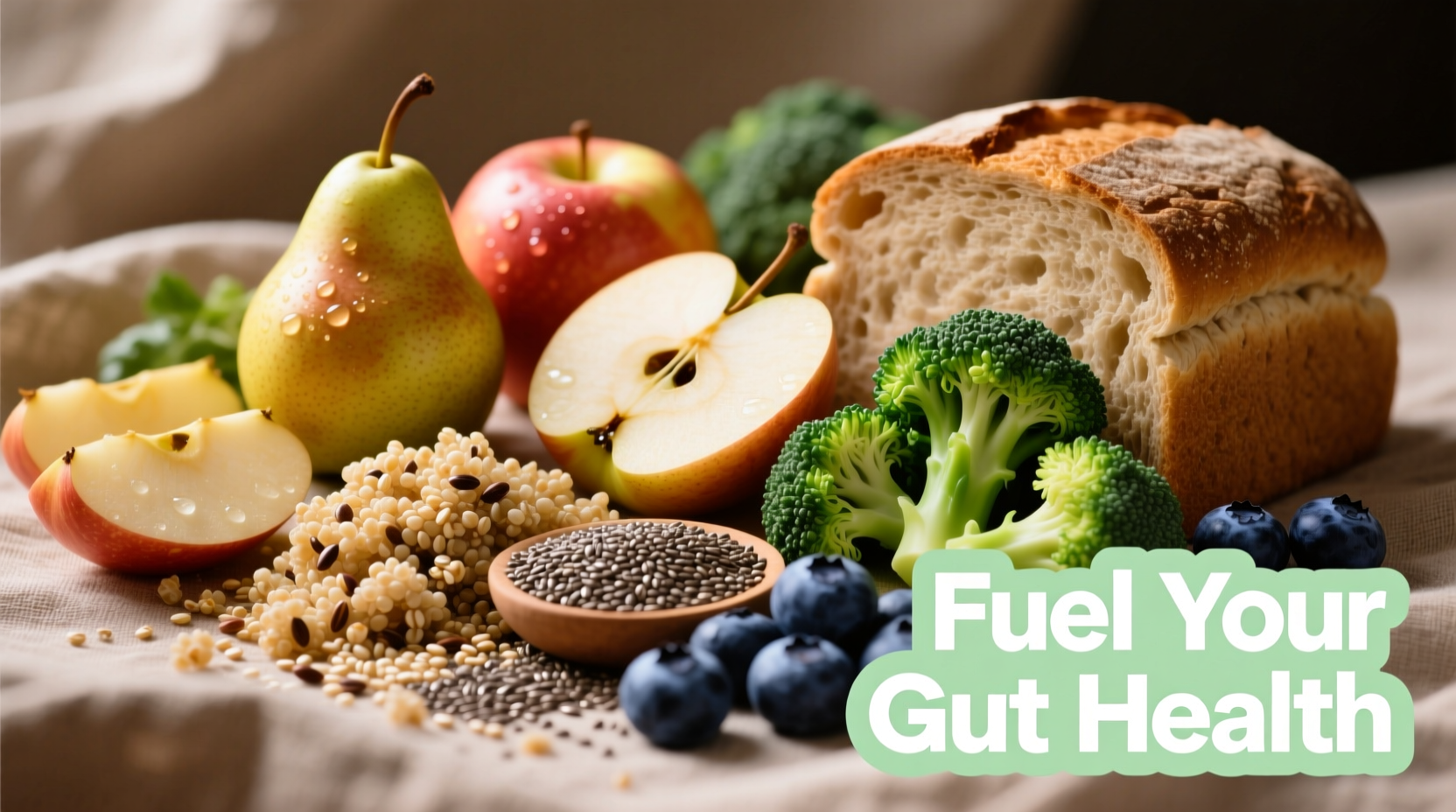
Foods to Avoid When Constipated
While adding beneficial foods, eliminate these constipation-causing items:
- Unripe bananas (high in starch that slows digestion)
- Processed white bread and pastries
- Red meat (low in fiber, high in fat that slows transit)
- Cheese and other full-fat dairy products
- Unsoaked chia or flax seeds (can absorb too much water)
Realistic Timeline for Results
Understanding how quickly these foods work prevents unnecessary worry:
- 6-12 hours: Prunes, chia seeds, magnesium-rich foods
- 12-24 hours: Kiwi, pears, high-water-content fruits
- 24-48 hours: Beans, lentils, whole grains
- 3-5 days: Complete dietary overhaul showing sustained improvement
According to clinical nutrition guidelines, most people experience relief within 24 hours when combining proper fiber intake with adequate hydration. If no improvement occurs after 72 hours despite dietary changes, consult a healthcare provider.
When to See a Doctor
While dietary changes help occasional constipation, seek medical attention if you experience:
- No bowel movement for more than 3 days with abdominal pain
- Unintentional weight loss with constipation
- Family history of colon cancer
- Constipation that suddenly changes your normal pattern
These could indicate underlying conditions requiring professional treatment rather than dietary adjustments alone.




 浙公网安备
33010002000092号
浙公网安备
33010002000092号 浙B2-20120091-4