
Master Oven-Roasted Squash: Your Foolproof Guide
Nothing transforms humble squash into a show-stopping side dish quite like oven roasting. This technique concentrates natural sugars, creates perfect caramelization, and requires minimal effort for maximum flavor impact. Whether you're working with butternut, acorn, or spaghetti squash, this guide delivers restaurant-quality results every time.
Why Oven Roasting Beats Other Cooking Methods
Unlike boiling (which leaches nutrients) or microwaving (which creates uneven texture), oven roasting preserves up to 30% more nutrients according to USDA FoodData Central research. The dry heat environment creates the Maillard reaction - that magical browning process that develops complex flavors while maintaining the vegetable's structural integrity.
Squash Selection: Choosing Your Canvas
Not all squash varieties roast equally well. Understanding these key differences ensures perfect results:
| Squash Type | Best For | Prep Time | Roasting Time |
|---|---|---|---|
| Butternut | Creamy texture, sweet flavor | 10-12 minutes | 25-35 minutes |
| Acorn | Heartier texture, nutty taste | 5-7 minutes | 30-40 minutes |
| Spaghetti | Noodle-like strands | 2-3 minutes | 35-45 minutes |
| Kabocha | Dense, chestnut-like flavor | 8-10 minutes | 20-30 minutes |
Preparation Essentials: Setting Up for Success
Proper preparation prevents common pitfalls that lead to soggy or unevenly cooked squash:
- Knife selection: Use a sharp chef's knife (8-10 inches) for clean cuts through tough rinds
- Cutting technique: Stabilize squash by cutting a flat base first, then slice vertically from stem to base
- Uniform sizing: Cut pieces to 1-inch thickness for even cooking (critical for consistent results)
- Drying step: Pat pieces thoroughly with paper towels to remove surface moisture
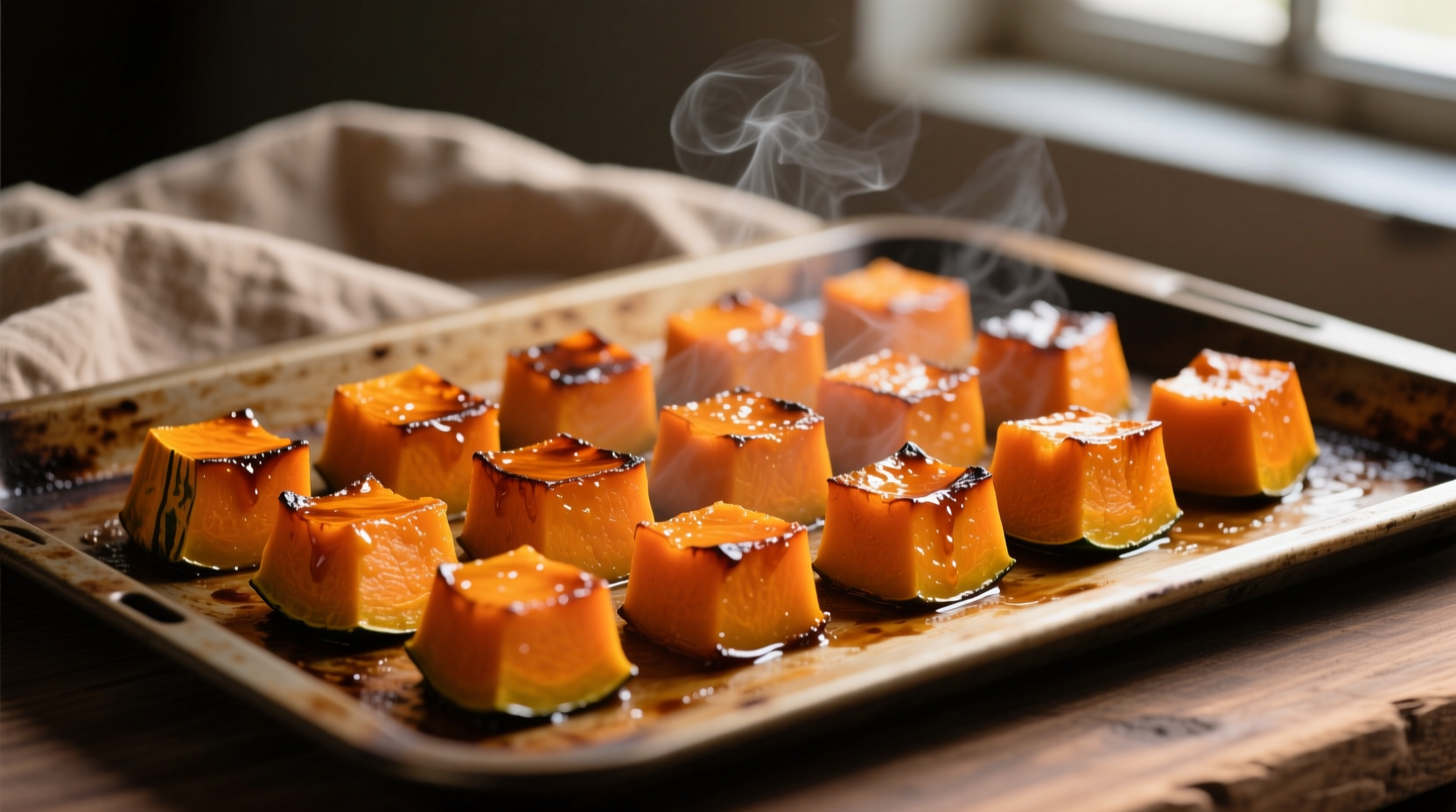
The Perfect Roasting Process: Step-by-Step
Follow these professional techniques for flawless results:
- Preheat oven to 400°F (200°C) with rack positioned in center
- Line baking sheet with parchment paper (avoid aluminum foil which steams instead of roasts)
- Toss squash pieces with 1-2 tablespoons oil per pound (use avocado or olive oil)
- Spread in single layer with space between pieces (crowding causes steaming)
- Roast 25-35 minutes, flipping halfway through cooking time
- Test doneness: fork should slide in easily with slight resistance
Flavor Enhancement Strategies
Elevate your roasted squash with these chef-approved combinations:
- Classic herb blend: 1 tsp rosemary + ¼ tsp thyme + 1 minced garlic clove per pound
- Sweet & savory: 1 tbsp maple syrup + 1 tsp smoked paprika + pinch of cayenne
- Mediterranean twist: 1 tbsp za'atar + lemon zest from half a lemon
- Umami boost: 1 tsp nutritional yeast + 1 tsp soy sauce (add after roasting)
Troubleshooting Common Issues
Solve these frequent problems with targeted solutions:
- Soggy squash: Increase oven temperature by 25°F and reduce quantity per sheet
- Burnt edges: Toss pieces in 1 tsp cornstarch before roasting to absorb excess moisture
- Uneven cooking: Rotate baking sheet 180 degrees halfway through cooking
- Lack of caramelization: Sprinkle 1 tsp brown sugar during last 10 minutes of roasting
Nutritional Powerhouse: Why Roasted Squash Matters
According to USDA FoodData Central, one cup of roasted butternut squash provides 457% of your daily vitamin A needs and 51% of vitamin C. The roasting process actually increases bioavailability of carotenoids by breaking down cell walls - making nutrients more accessible to your body than raw consumption. This makes oven-roasted squash an exceptional choice for immune support and eye health.
Storage and Reheating Guidelines
Proper storage maintains texture and flavor for future meals:
- Cool completely before storing (prevents condensation)
- Refrigerate in airtight container for up to 5 days
- Freeze in portioned containers for up to 3 months
- Reheat in 350°F oven for 10-15 minutes (avoid microwave which creates sogginess)
Seasonal Adaptation Tips
Adjust your approach based on seasonal conditions:
- Summer: Add citrus zest and fresh herbs for bright contrast to rich squash
- Winter: Incorporate warming spices like cinnamon and nutmeg for seasonal harmony
- High humidity: Increase oven temperature by 25°F and extend cooking time slightly
- Dry climates: Reduce oil by 25% to prevent over-browning




 浙公网安备
33010002000092号
浙公网安备
33010002000092号 浙B2-20120091-4