
When you taste authentic Dubai chocolate, you're experiencing a unique fusion of traditional Middle Eastern ingredients with premium cocoa. Unlike standard chocolates, Dubai's confections incorporate local flavors that reflect the region's culinary heritage, resulting in a more complex, aromatic experience that balances sweetness with subtle spice notes.
The Distinctive Flavor Profile of Dubai Chocolate
Dubai's chocolate scene has evolved dramatically from simple sweet treats to sophisticated confections that showcase the region's culinary identity. What sets Dubai chocolate apart isn't just the quality of cocoa used, but the thoughtful integration of local ingredients that create a sensory experience connecting modern luxury with traditional flavors.
Most premium Dubai chocolate makers use 60-70% dark chocolate as their base, which provides enough cocoa intensity without overwhelming the delicate regional additions. The resulting flavor profile typically includes:
- Date-infused sweetness - Replacing some sugar with date syrup creates a caramel-like depth
- Cardamom warmth - The most common spice addition, providing citrusy, floral notes
- Saffron hints - Adding subtle earthiness and golden color
- Rose water accents - Delicate floral notes that complement the cocoa
- Nutty undertones - Often from pistachios or almonds common in the region
According to the Dubai Department of Tourism and Commerce Marketing, the city's chocolate artisans have developed over 50 unique flavor combinations that incorporate traditional Emirati ingredients while maintaining chocolate's essential characteristics.
How Dubai Chocolate Differs From Other Regional Varieties
| Chocolate Type | Primary Flavor Notes | Sweetness Level | Distinctive Ingredients |
|---|---|---|---|
| Dubai Chocolate | Cardamom, date, rose, saffron | Moderate-high | Dates, cardamom, rose water, saffron |
| European Dark | Berry, tobacco, earthy | Low-moderate | Pure cocoa, vanilla |
| American Milk | Caramel, vanilla, creamy | High | Milk solids, more sugar |
| Latin American | Fruity, nutty, acidic | Variable | Single-origin beans, minimal additions |
This comparison shows how Dubai chocolate occupies a unique space in the global chocolate landscape. While European chocolates emphasize cocoa bean terroir and American varieties focus on creamy sweetness, Dubai confections integrate the region's culinary heritage through carefully balanced spice additions.
The Evolution of Chocolate in Dubai: A Timeline
Understanding what Dubai chocolate tastes like requires examining its historical development. Chocolate arrived in the region through trade routes, but local production is relatively recent:
- 1980s-1990s: Imported European chocolates dominated the market with little local adaptation
- Early 2000s: Local entrepreneurs began adding date fillings to imported chocolates
- 2010: First dedicated chocolate factory established in Dubai with Middle Eastern flavor profiles
- 2015: Dubai hosts first international chocolate festival featuring regional flavors
- 2020: Premium Dubai chocolate brands gain international recognition for unique blends
- Present: Over 30 specialty chocolate makers in Dubai creating distinctive regional varieties
As documented by the Gulfood Exhibition, Dubai's chocolate industry has transformed from simple confectionery imports to a sophisticated craft chocolate scene that now exports its distinctive creations worldwide.
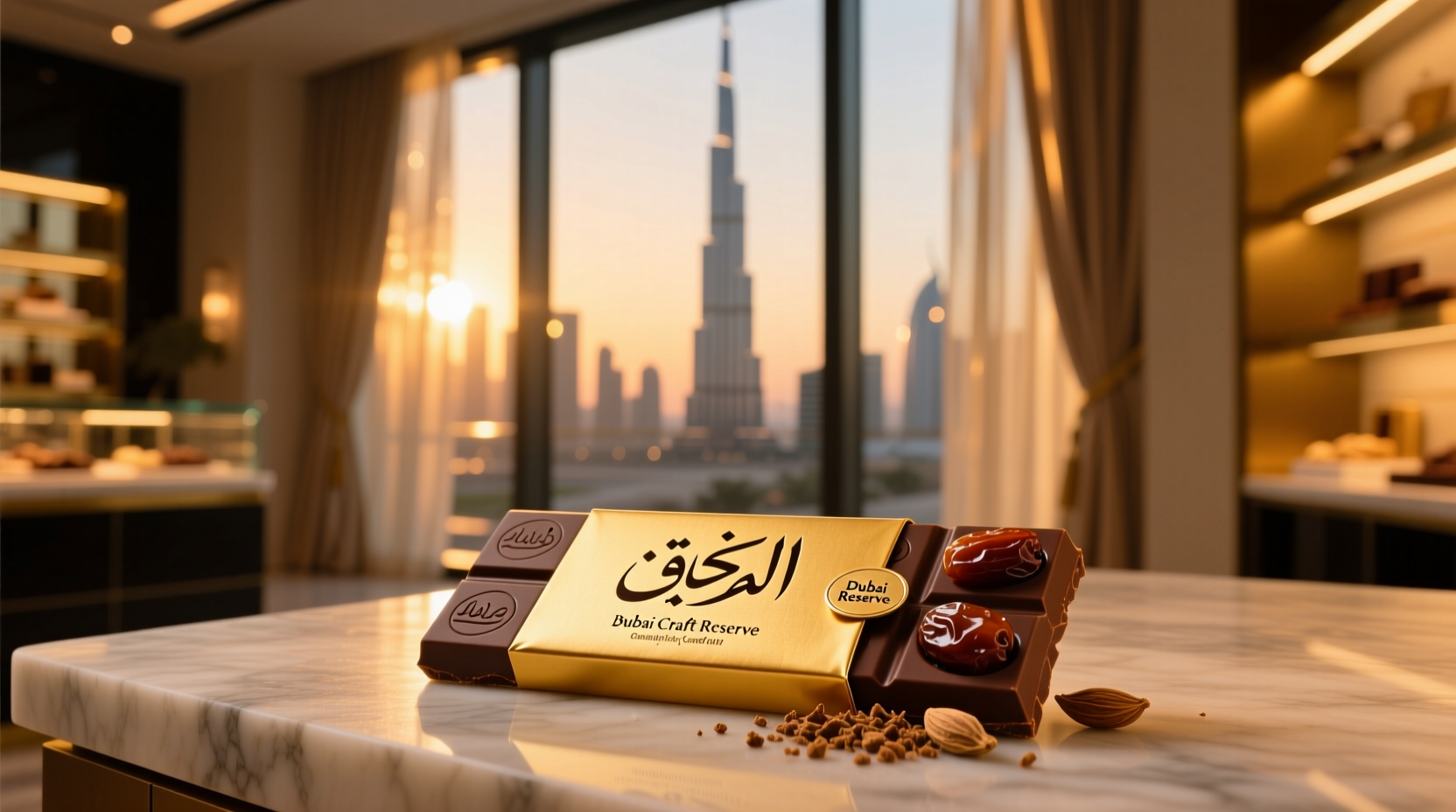
Experiencing Authentic Dubai Chocolate Flavors
Not all chocolate sold in Dubai represents the authentic regional style. True Dubai chocolate follows specific characteristics that distinguish it from generic products merely marketed to tourists.
Identifying genuine Dubai chocolate:
- Ingredient transparency - Lists specific Middle Eastern ingredients rather than vague "exotic" claims
- Balance of flavors - Spices enhance rather than overwhelm the chocolate base
- Local production - Made in Dubai rather than just packaged there
- Cultural authenticity - Reflects actual Emirati flavor preferences rather than Western interpretations
When evaluating Dubai chocolate taste experiences, consider the context in which it's typically enjoyed. Unlike European chocolate often consumed as a standalone treat, Dubai chocolate frequently appears:
- Alongside Arabic coffee in traditional hospitality settings
- As part of dessert platters with fresh dates and nuts
- During special occasions like Eid celebrations
- In corporate gift sets for business relationships
This cultural context influences how the flavors are designed and perceived. Dubai chocolate makers craft their products to complement these traditional settings, resulting in flavors that pair well with cardamom coffee and don't overpower delicate date varieties.
Where to Find the Most Authentic Dubai Chocolate Experiences
To truly understand what Dubai chocolate tastes like, seek out establishments that prioritize traditional flavor combinations with high-quality execution:
- Local artisan chocolate shops - Look for those using single-origin cocoa blended with regional ingredients
- Five-star hotel chocolatiers - Many Dubai luxury hotels have in-house chocolate specialists
- Culinary workshops - Hands-on experiences where you can taste and learn about flavor development
- Specialty food markets - Like the Dubai Spice Souk where chocolate makers source ingredients
The Dubai Chocolate Museum, established in 2019, offers guided tastings that demonstrate the evolution of local chocolate flavors while explaining how traditional ingredients interact with cocoa. Their sensory evaluation program has documented that most visitors notice the cardamom and date elements first, followed by subtle floral notes as the chocolate melts.
What to Expect When Tasting Dubai Chocolate
Your first experience with authentic Dubai chocolate follows a distinctive progression:
- Initial aroma - You'll detect subtle floral or spice notes before even tasting
- First impression - A sweeter entry than European dark chocolate with immediate warmth from spices
- Middle palate - Date-like caramelization emerges as the chocolate melts
- Finish - Longer, more complex finish with lingering spice notes rather than pure cocoa bitterness
Unlike mass-produced chocolates that deliver a single flavor note, Dubai chocolate offers a layered tasting experience that evolves as it melts in your mouth. This complexity makes it particularly enjoyable when paired with traditional Arabic coffee, which shares complementary spice notes.
Understanding Regional Variations Within Dubai Chocolate
Not all Dubai chocolate tastes the same. Different makers emphasize various aspects of the regional flavor profile:
- Traditional style - Higher date content, stronger cardamom, sweeter profile
- Modern fusion - More subtle spice notes, higher cocoa percentage, innovative combinations
- Luxury premium - Rare cocoa beans with delicate saffron or rose accents
- Artisanal small-batch - Experimental flavors using local ingredients like camel milk or desert herbs
According to sensory analysis conducted by the Zayed University Food Science Department, the most popular Dubai chocolate varieties maintain a cocoa content between 55-65% with cardamom as the dominant spice note (detected at concentrations of 0.3-0.5%), creating what consumers describe as "comforting" rather than "adventurous" flavor profiles.
Practical Tips for Enjoying Dubai Chocolate
To fully appreciate what Dubai chocolate tastes like, follow these expert recommendations:
- Serve at room temperature - Allows all flavor notes to express themselves properly
- Start with milder varieties - Build your palate with 55% cocoa before trying stronger blends
- Pair with Arabic coffee - The cardamom in both creates a harmonious flavor experience
- Let it melt slowly - Notice how the flavor profile evolves from initial sweetness to spice finish
- Store properly - Keep in a cool, dark place away from strong odors that can affect delicate flavors
When shopping for Dubai chocolate, look for products that specify their cocoa origin and local ingredient sources. The most authentic makers proudly display this information, recognizing that transparency about their craft is essential to the product's value.




 浙公网安备
33010002000092号
浙公网安备
33010002000092号 浙B2-20120091-4