
Why Stove-Top Cooking Works Best for Tilapia
Tilapia's delicate texture makes it prone to falling apart, but stove-top cooking gives you precise control over heat that's crucial for success. Unlike baking which can dry out thin fillets, the direct contact with a hot pan creates a beautiful golden crust while keeping the interior moist. Professional chefs prefer this method because it takes less than 15 minutes from start to finish and requires only basic kitchen equipment.
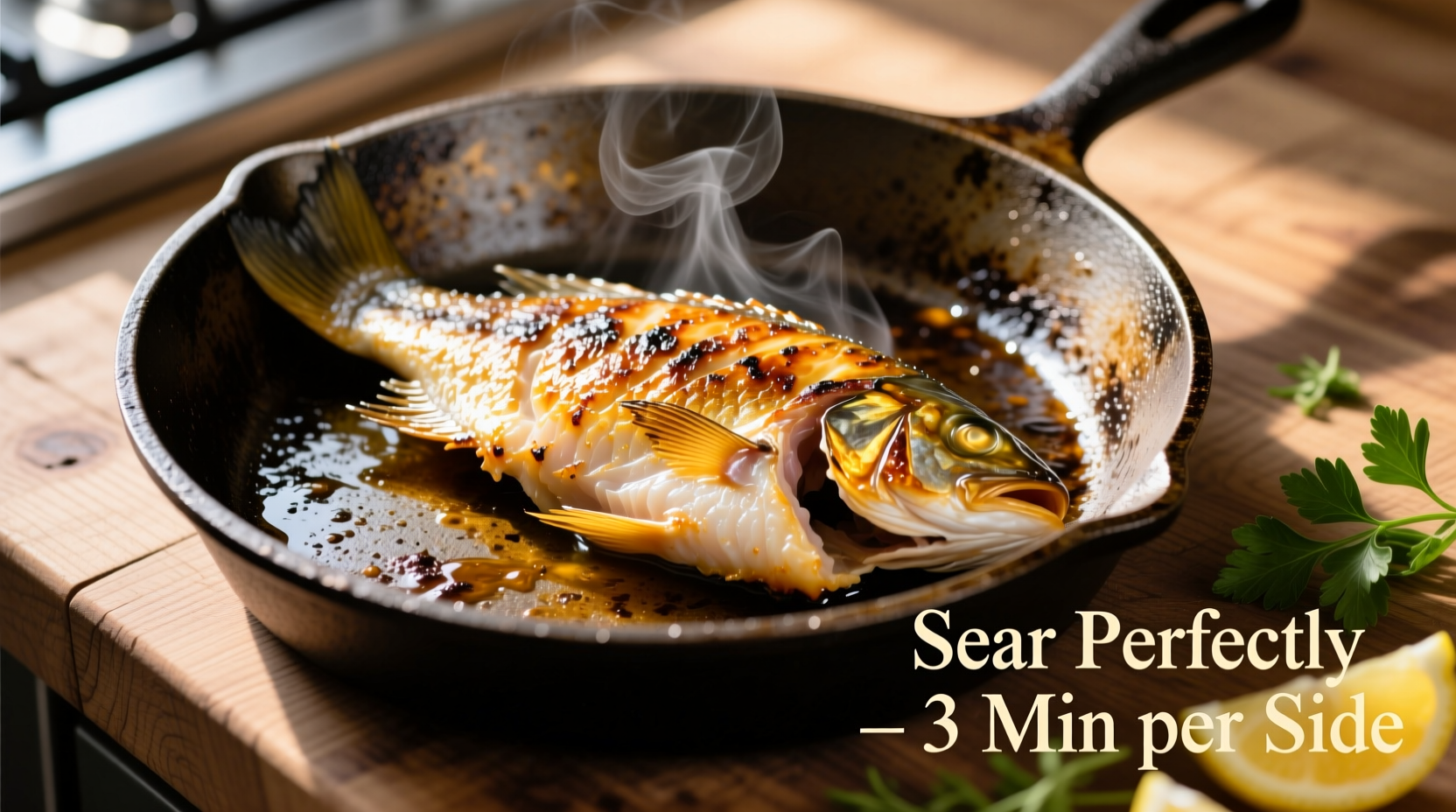
Your Essential Preparation Checklist
Before touching that stove, gather these five critical elements:
- Dry fillets - Pat thoroughly with paper towels (moisture is the enemy of browning)
- Proper pan - 10-12 inch cast iron or stainless steel (non-stick works but won't develop as good crust)
- Oil with high smoke point - Avocado, canola, or refined olive oil (not extra virgin)
- Accurate thermometer - Instant-read thermometer for perfect doneness
- Resting plate - Warm plate covered with foil to keep fish hot
Step-by-Step Cooking Process
Follow this exact sequence for foolproof results every time:
- Prep the fish - Pat fillets completely dry, then lightly coat with oil and season (avoid salt 10 minutes before cooking as it draws out moisture)
- Heat the pan - Medium-high heat for 3-4 minutes until a drop of water sizzles and evaporates immediately
- Add oil - 1 tablespoon of high-smoke point oil, swirling to coat the surface
- Place fish skin-side down - If skin-on, otherwise place presentation side down first
- Cook undisturbed - 4-5 minutes until edges turn opaque and fish releases easily from pan
- Flip carefully - Use a thin spatula and flip only once
- Finish cooking - 3-4 more minutes until internal temperature reaches 145°F
- Rest - Transfer to warm plate, tent with foil for 2-3 minutes before serving
Stove-Top Cooking Compared to Other Methods
| Cooking Method | Best For | Time Required | Texture Result |
|---|---|---|---|
| Stove-Top Pan Searing | Thin fillets under 1 inch | 12-15 minutes | Perfect crust, moist interior |
| Baking | Thicker fillets or multiple portions | 15-20 minutes | Evenly cooked but less crust |
| Grilling | Summer cooking, thicker cuts | 8-12 minutes | Smoky flavor, risk of sticking |
Troubleshooting Common Problems
Even experienced cooks encounter these stove-top tilapia challenges:
Fish Sticking to the Pan
This happens when the pan isn't hot enough or you move the fish too soon. The USDA Food Safety and Inspection Service confirms that properly preheated pans create an instant sear that prevents sticking. Wait until the edges turn opaque and the fish releases naturally before attempting to flip.
Overcooking and Dryness
Tilapia cooks extremely quickly. The American Culinary Federation recommends removing fish from heat at 140°F as carryover cooking will bring it to the safe 145°F minimum. Overcooked tilapia becomes dry and flaky in an unpleasant way.
Lack of Crisp Exterior
Moisture is the enemy of browning. Always pat fillets completely dry before cooking. The Culinary Institute of America's cooking science department confirms that surface moisture must evaporate before Maillard reaction (browning) can occur.
When Stove-Top Isn't Ideal: Context Boundaries
While stove-top works best for most home cooks, certain situations call for alternative methods:
- Frozen fillets - Thaw completely first (never cook frozen tilapia on stove)
- Very thin fillets - Under 1/2 inch may cook too quickly; reduce heat to medium
- Delicate coatings - Panko or breadcrumb coatings work better in oven to prevent falling off
- Large batches - Cook in single layer; overcrowding lowers pan temperature
Serving Suggestions for Perfect Results
Complete your meal with these professional pairings:
- Lemon-dill sauce - Mix Greek yogurt, fresh dill, lemon zest, and garlic
- Citrus salsa - Diced mango, red onion, jalapeño, and lime juice
- Perfect sides - Roasted asparagus, cilantro-lime rice, or quinoa salad
- Wine pairing - Crisp Sauvignon Blanc or dry Riesling




 浙公网安备
33010002000092号
浙公网安备
33010002000092号 浙B2-20120091-4