
The Truth About Foods and Glute Development
If you've searched "what foods will make your booty bigger," you've likely encountered countless articles promising magical results from specific "booty-boosting" foods. Let's cut through the misinformation with science-backed facts you can actually use.
Why the "Foods for Bigger Booty" Myth Persists
Social media influencers and questionable websites often promote foods like yams, avocados, or salmon as "natural butt enhancers." These claims typically stem from:
- Misinterpretation of hormone-related nutrition science
- Confusing overall weight gain with targeted growth
- Cherry-picked anecdotes without scientific backing
According to the Johns Hopkins Medicine, your body's fat distribution pattern is primarily determined by genetics and hormones—not specific foods. You cannot "target" fat storage to your glutes through diet alone.
The Science of Glute Development: What Actually Works
Your buttocks size depends on two factors: gluteal muscle development and subcutaneous fat distribution. Here's what research shows:
| Factor | Can Be Changed Through Diet? | Requires Exercise? | Scientific Evidence Level |
|---|---|---|---|
| Gluteal muscle size | No (diet supports but doesn't cause growth) | Yes (progressive resistance training) | High (ACSM) |
| Body fat percentage | Yes (calorie balance) | Partially (supports calorie deficit/surplus) | High (NIH) |
| Fat distribution pattern | No | No | High (Johns Hopkins) |
Nutrition That Actually Supports Your Goals
While no foods specifically target your glutes, proper nutrition creates the foundation for body composition changes:
Protein for Muscle Maintenance and Growth
Building gluteal muscle requires adequate protein intake. The National Academy of Sports Medicine recommends 1.6-2.2g of protein per kilogram of body weight daily for those engaging in resistance training. Include these high-quality sources:
- Lean meats (chicken, turkey)
- Fish (salmon, tuna)
- Eggs and dairy
- Legumes and plant proteins
Healthy Fats for Hormone Production
While fats don't target your glutes, they support hormone production essential for muscle growth. Include moderate amounts of:
- Avocados
- Nuts and seeds
- Olive oil
- Fatty fish
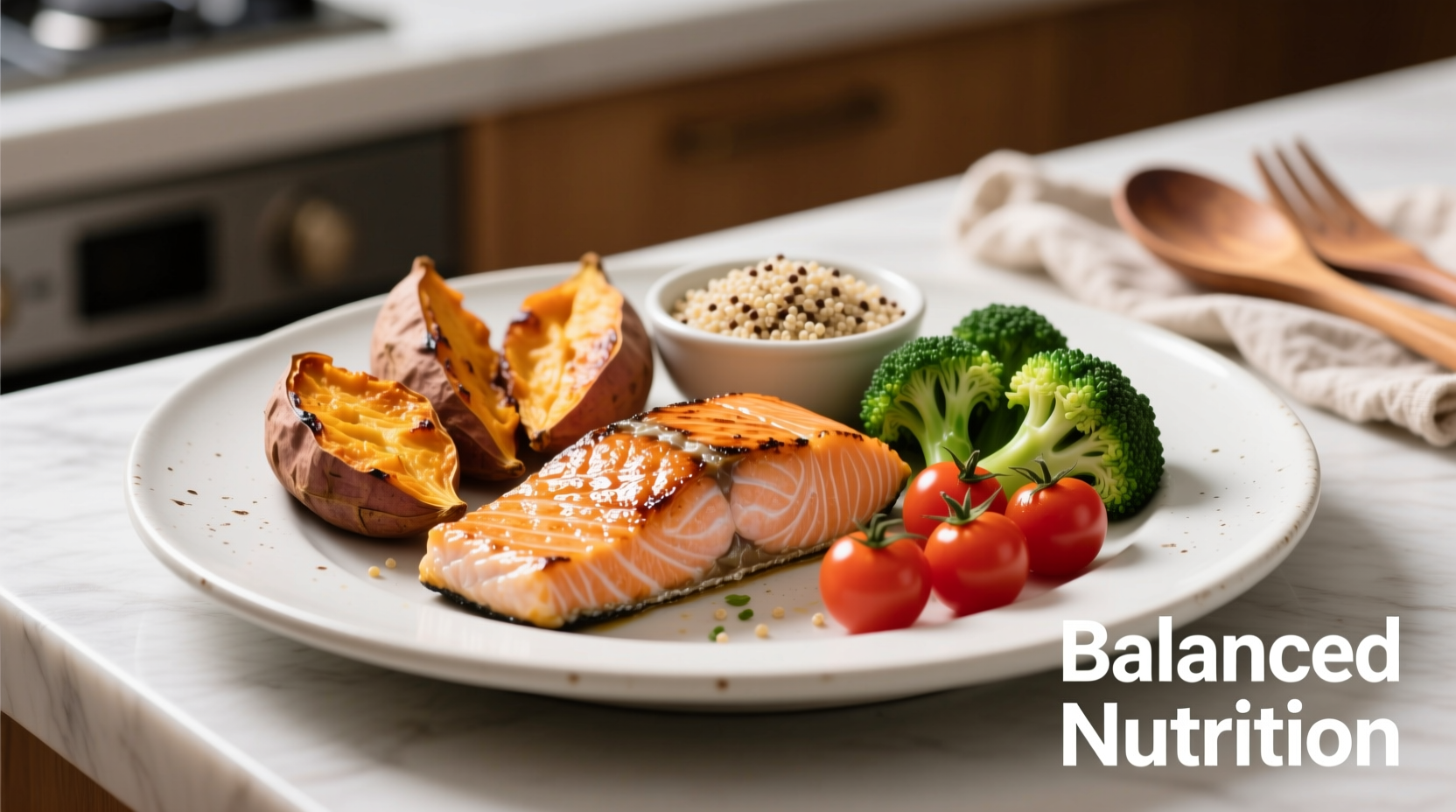
Complex Carbohydrates for Energy and Recovery
Carbs fuel your workouts and aid recovery. Focus on nutrient-dense options:
- Sweet potatoes
- Quinoa
- Oats
- Whole grains
The Critical Role of Exercise: What Research Shows
A 2020 study published in the Journal of Strength and Conditioning Research found that participants who performed targeted glute exercises 3x weekly for 12 weeks saw significant increases in gluteal muscle thickness—while those who only changed their diet saw no targeted changes.
Effective glute-building exercises include:
- Barbell hip thrusts
- Squats (various forms)
- Lunges
- Deadlifts
- Glute bridges
Realistic Timeline for Results
Understanding the progression timeline helps set realistic expectations:
- 4-8 weeks: Improved muscle activation and mind-muscle connection
- 3-6 months: Visible muscle development with consistent training and nutrition
- 6-12 months: Significant changes in shape and size with dedicated effort
- 12+ months: Maximum genetic potential approached
Remember: Genetics determine your ultimate shape potential. Nutrition supports the process but doesn't override your biological blueprint.
Common "Booty-Boosting" Foods: Myth vs. Reality
Let's examine popular claims with scientific perspective:
| Frequently Promoted Food | Claimed Benefit | Scientific Reality |
|---|---|---|
| Sweet potatoes/yams | "Contains compounds that grow your butt" | Nutrient-dense carb source that supports workouts, but no evidence of targeted growth |
| Avocados | "Healthy fats make your booty bigger" | Healthy fats support hormone production but don't target fat storage to glutes |
| Salmon | "Omega-3s enhance glute growth" | Excellent protein source that supports muscle recovery, but no targeted effect |
| Maca root | "Hormone-balancing properties grow your butt" | Insufficient evidence for hormone effects in humans; no research on glute growth |
Creating Your Effective Plan
For best results, combine these evidence-based approaches:
Nutrition Guidelines
- Maintain slight calorie surplus if building muscle (200-500 calories above maintenance)
- Consume adequate protein throughout the day (0.4g per kg per meal)
- Include balanced meals with protein, complex carbs, and healthy fats
- Stay hydrated (at least 3L water daily)
Training Protocol
- Train glutes 2-3x weekly with progressive overload
- Focus on proper form over heavy weight
- Include both hip extension and hip abduction movements
- Allow 48 hours recovery between intense sessions
Tracking Progress
- Take monthly progress photos in consistent lighting
- Measure circumference at hip widest point
- Track strength improvements in key exercises
- Use body fat calipers for composition changes
When to Consult Professionals
For personalized guidance, consider:
- Certified personal trainers (NASM or ACE certified)
- Registered dietitians specializing in sports nutrition
- Physical therapists for form correction
The Academy of Nutrition and Dietetics offers a verified directory of qualified professionals in your area.




 浙公网安备
33010002000092号
浙公网安备
33010002000092号 浙B2-20120091-4