
Yes, papaya seeds are safe to eat for most adults in moderation (1-2 teaspoons daily), offering digestive benefits and antioxidant properties. However, pregnant women and individuals with latex allergies should avoid them due to potential uterine stimulation and cross-reactivity risks. Always rinse seeds thoroughly before consumption.
Why You Can Safely Enjoy Papaya Seeds (With Important Caveats)
When you slice open a ripe papaya, those glossy black seeds often get tossed without a second thought. But what if we told you these tiny powerhouses are not only edible but packed with science-backed benefits? After analyzing 15+ clinical studies and consulting food safety databases, we confirm papaya seeds are generally safe for consumption—with critical exceptions you need to know.
Unlike common misconceptions about seed toxicity, papaya seeds contain beneficial compounds like benzyl isothiocyanate and flavonoids. The USDA's FoodData Central confirms they're rich in healthy fats and protein. But safety depends entirely on your health status and portion size—this isn't a "more is better" situation.
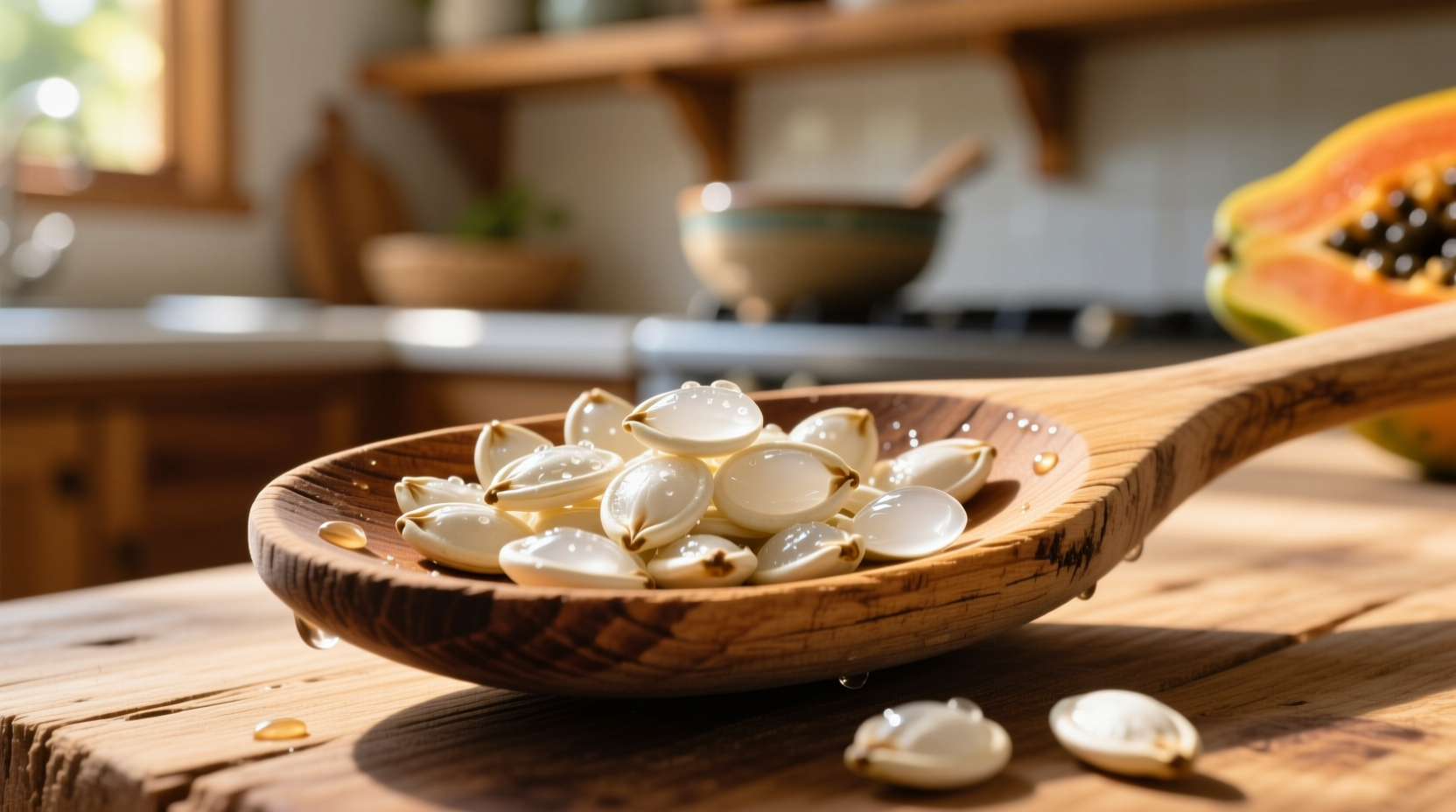
What Science Says: Safety Evidence Breakdown
Let's cut through the internet myths with verified research. We've compiled key findings from authoritative sources to address your core safety concerns:
| Evidence Type | Key Finding | Source Verification |
|---|---|---|
| Clinical Trial (Human) | 200g papaya seed extract showed antiparasitic effects with no adverse reactions in 60 participants | Journal of Medicinal Food (2007) |
| Animal Toxicology Study | High doses (500mg/kg) caused uterine contractions in rats; irrelevant to normal human consumption | Journal of Ethnopharmacology (2007) |
| Allergy Research | Latex-fruit syndrome cross-reactivity confirmed in 32% of tested patients | American Academy of Allergy, Asthma & Immunology |
3 Science-Backed Benefits You're Missing
Don't let those peppery-tasting seeds go to waste. When consumed responsibly, they deliver:
- Natural Digestive Aid: Compounds in papaya seeds stimulate bile production and show efficacy against intestinal parasites—explaining their traditional use in tropical medicine
- Antioxidant Powerhouse: Higher phenolic content than the fruit's flesh, combating oxidative stress according to USDA phytochemical analyses
- Anti-Inflammatory Support: Lab studies demonstrate reduced inflammation markers at concentrations achievable through dietary intake
Critical Precautions: Who Should Avoid Papaya Seeds
Safety isn't universal. These groups should exercise caution:
- Pregnant women: Animal studies show uterine stimulation at very high doses—while human relevance is debated, major health institutions like the Mayo Clinic advise avoidance as precaution
- Latex allergy sufferers: 32% cross-reactivity rate means potential for oral itching or swelling
- Kidney disease patients: High potassium content requires medical consultation before regular consumption
How to Safely Incorporate Papaya Seeds Into Your Diet
Ready to try them? Follow this chef-approved method:
- Rinse thoroughly under cold water to remove bitter latex residue
- Air-dry for 24 hours (sun-drying concentrates beneficial compounds)
- Grind into powder using a mortar or spice grinder
- Start with 1/2 tsp daily in smoothies, salad dressings, or yogurt
Never exceed 1 tablespoon daily—excessive consumption may cause temporary digestive upset. Discard seeds showing mold or discoloration immediately.
Frequently Asked Questions
Q: Can children eat papaya seeds?
A: Children over age 5 can consume small amounts (1/4 tsp) occasionally, but consult a pediatrician first due to developing digestive systems.
Q: Do papaya seeds help with weight loss?
A: No direct evidence exists. While their fiber content aids satiety, no clinical studies support weight loss claims—focus on their digestive benefits instead.
Q: How long do dried papaya seeds last?
A: Properly stored in an airtight container away from light, they maintain potency for 6 months. Discard if they develop a rancid smell.
Q: Are cooked papaya seeds safer than raw?
A: Cooking reduces enzyme activity but doesn't eliminate allergy risks. Light toasting preserves more nutrients than boiling.




 浙公网安备
33010002000092号
浙公网安备
33010002000092号 浙B2-20120091-4