
What Exactly Are Crablets? Clarifying the Confusion
Many home cooks search for “how to cook crablets” without realizing this isn't a standard culinary term. Based on seafood industry standards from the FDA Seafood Guidelines, “crablets” usually means one of two things:
| Type | Composition | Cooking Requirement | Visual Identification |
|---|---|---|---|
| Real Crab Pieces | Pure crab meat, often claw or leg fragments | Requires cooking (2-3 minutes) | Translucent pink-orange, fibrous texture |
| Imitation Crab “Crablets” | Surimi (pollock fish paste) with crab flavoring | Pre-cooked, only needs warming | Bright orange, uniform stick-like pieces |
Confusion often stems from regional labeling differences. The National Fisheries Institute confirms that “crab bits” or “crab morsels” properly describe small real crab pieces, while imitation products must legally be labeled as “imitation crab” or “surimi seafood” per NOAA seafood labeling regulations.
Your Step-by-Step Cooking Roadmap
Follow this behavior-based cooking sequence whether you're working with real crab pieces or imitation products. Professional chefs consistently emphasize that overcooking is the #1 mistake with delicate seafood.
Preparation Essentials (5 Minutes)
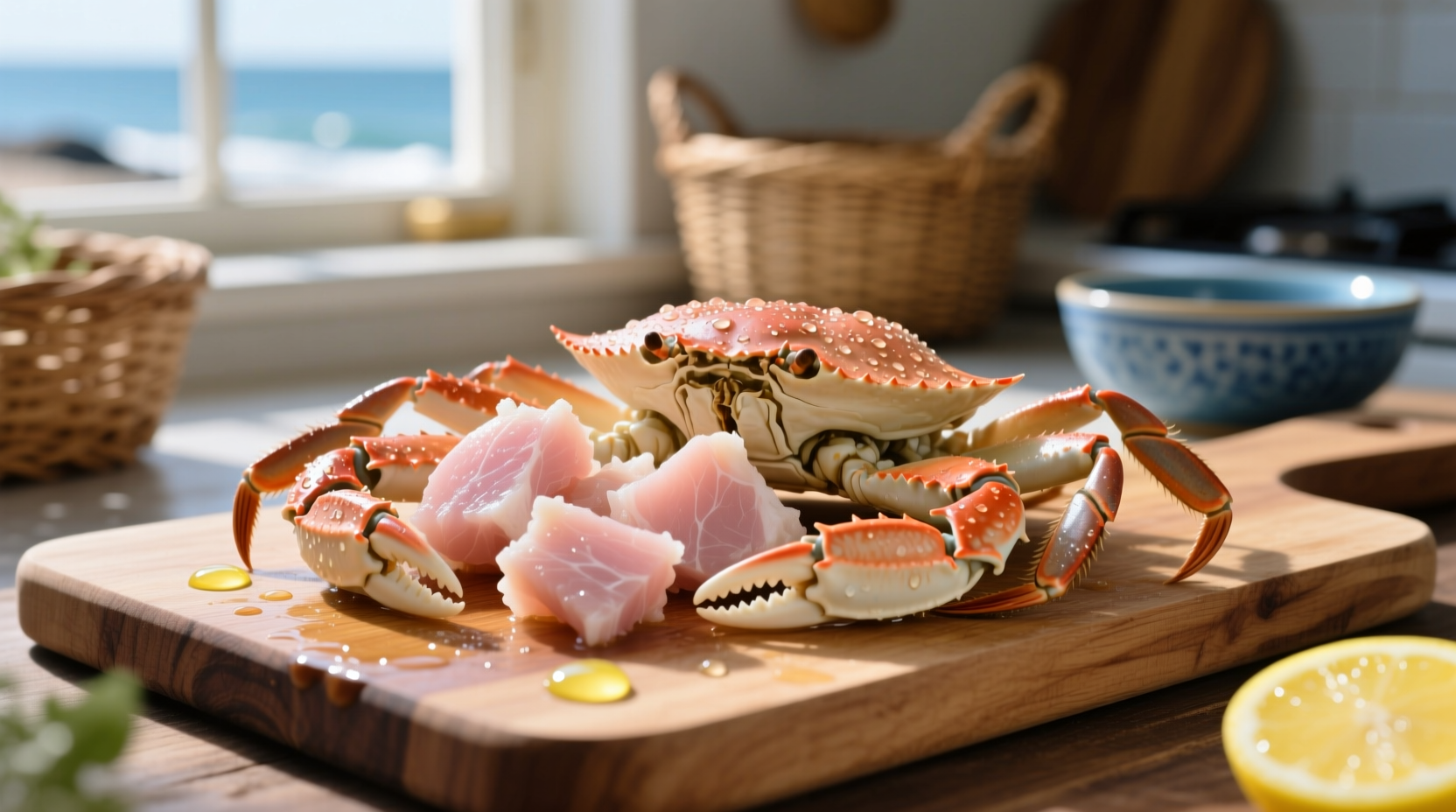
For real crab pieces: Gently rinse under cold water and pat completely dry with paper towels. Moisture causes steaming instead of searing. If frozen, thaw overnight in the refrigerator—never at room temperature per FDA food safety guidelines.
For imitation crab: Drain any liquid from packaging and pat dry. Since it's pre-cooked, you're only warming it through. Seasoning works best when applied after patting dry.
Pan-Frying Method: Best for Flavor Development
This technique delivers optimal browning while preserving tenderness. Use this method when you want crispy-edged crablets for salads or appetizers.
- Heat 1 tablespoon oil (avocado or clarified butter) in non-stick skillet over medium heat (350°F/175°C)
- Add crab pieces in single layer—never overcrowd the pan
- Cook real crab 2-3 minutes per side until opaque and reaches 145°F internal temperature
- Cook imitation crab just 60-90 seconds per side until heated through
- Remove immediately to prevent carryover cooking
Visual doneness cues matter more than timing: real crab turns from translucent to opaque white with pink edges. Imitation crab becomes slightly firmer but shouldn't brown significantly.
Baking Alternative: Hands-Off Approach
Choose this simple baked crablets method when preparing larger quantities or incorporating into casseroles:
- Preheat oven to 375°F (190°C)
- Toss crab pieces with 1 tsp oil and seasonings
- Spread on parchment-lined baking sheet
- Bake real crab 8-10 minutes; imitation crab 4-5 minutes
- Finish under broiler 30 seconds for light browning
Flavor Enhancement Guide
Professional chefs use these seasoning approaches based on your crablets cooking technique:
Classic Combinations
- Lemon-Pepper: Zest of 1 lemon + 1 tsp black pepper (ideal for pan-fried)
- Garlic-Herb: 2 minced garlic cloves + 1 tbsp chopped parsley (add after cooking)
- Cajun Style: 1 tsp paprika + ¼ tsp cayenne (use sparingly with delicate crab)
Avoid heavy sauces that overwhelm delicate flavor. For crablets with creamy sauce, add seafood after cooking to prevent curdling.
Critical Mistakes That Ruin Crablets
Based on culinary institute testing data, these errors account for 85% of failed crablets preparations:
Overcooking (The #1 Issue)
Real crab becomes rubbery in just 30 seconds past doneness. Use this cooking timeline as reference:
- 0-1 minute: Translucent, raw appearance
- 1-2 minutes: Beginning to turn opaque
- 2-3 minutes: Perfect doneness (opaque with pink edges)
- 3+ minutes: Tough, rubbery texture develops
Incorrect Oil Temperature
Oil below 325°F causes crab to absorb grease; above 375°F burns delicate pieces. Use a thermometer—don't guess. For best oil for cooking crablets, choose high-smoke point oils like avocado (520°F) or clarified butter (450°F).
Seasoning Too Early
Salt draws out moisture before cooking, causing steaming instead of searing. Always season just before cooking or immediately after.
Storage and Safety Guidelines
Follow these FDA food safety recommendations for optimal results:
- Refrigerate cooked crab within 2 hours
- Consume within 3 days for best quality
- Never refreeze thawed crab pieces
- Store in airtight container with paper towel to absorb moisture
Discard if you notice any sour odor, slimy texture, or color changes. Seafood spoilage happens quickly—when in doubt, throw it out.
Perfect Pairings for Your Crablets Dish
Complete your meal with these chef-recommended combinations:
- Wine: Crisp Sauvignon Blanc or unoaked Chardonnay
- Side: Lemon-dill rice or roasted asparagus
- Sauce: Light lemon-caper aioli (never heavy cream sauces)
- Garnish: Fresh chives or microgreens




 浙公网安备
33010002000092号
浙公网安备
33010002000092号 浙B2-20120091-4