
When you search what is the protein foods, you're seeking foundational nutritional knowledge that impacts daily energy levels, muscle maintenance, and overall wellness. This guide delivers scientifically backed information about protein sources, their biological value, and practical integration into your diet—without the confusing jargon or misleading claims that plague many nutrition resources.
Understanding Protein: The Building Block of Life
Proteins are complex molecules composed of amino acid chains that serve as the structural foundation for muscles, enzymes, hormones, and antibodies. Your body requires 20 different amino acids to function properly, nine of which are "essential"—meaning they must come from dietary sources. Protein foods deliver these critical nutrients in varying combinations and bioavailability.
Unlike carbohydrates and fats, your body doesn't store amino acids efficiently. This makes consistent daily intake through protein foods essential for maintaining bodily functions, supporting immune health, and facilitating cellular repair processes. The quality of protein foods depends on both the amino acid profile and how efficiently your body can utilize those amino acids—a measurement called biological value.
Complete vs. Incomplete Protein Foods: What You Need to Know
Protein sources fall into two primary categories based on their amino acid composition. Complete proteins contain all nine essential amino acids in sufficient proportions, while incomplete proteins lack one or more essential amino acids. Understanding this distinction helps you make informed dietary choices regardless of your eating pattern.
| Complete Protein Foods | Incomplete Protein Foods | Key Characteristics |
|---|---|---|
| Animal products (meat, fish, eggs, dairy) | Legumes (beans, lentils) | Contains all 9 essential amino acids |
| Soy products (tofu, tempeh) | Grains (rice, wheat, oats) | High biological value (80-100%) |
| Quinoa | Nuts and seeds | Typically animal-based (except soy/quinoa) |
| Chia seeds | Vegetables (spinach, broccoli) | Easily absorbed by the body |
This factual comparison clarifies a common misconception: not all protein foods deliver equal nutritional benefits. While animal products generally provide complete proteins, strategic combinations of plant-based sources (like rice and beans) can create complete amino acid profiles through complementary protein pairing.
Top Protein Food Sources by Category
Understanding the protein density and nutritional profile of different food categories helps you build balanced meals that meet your specific needs. Here's what nutrition science reveals about the most effective protein sources:
Animal-Based Protein Powerhouses
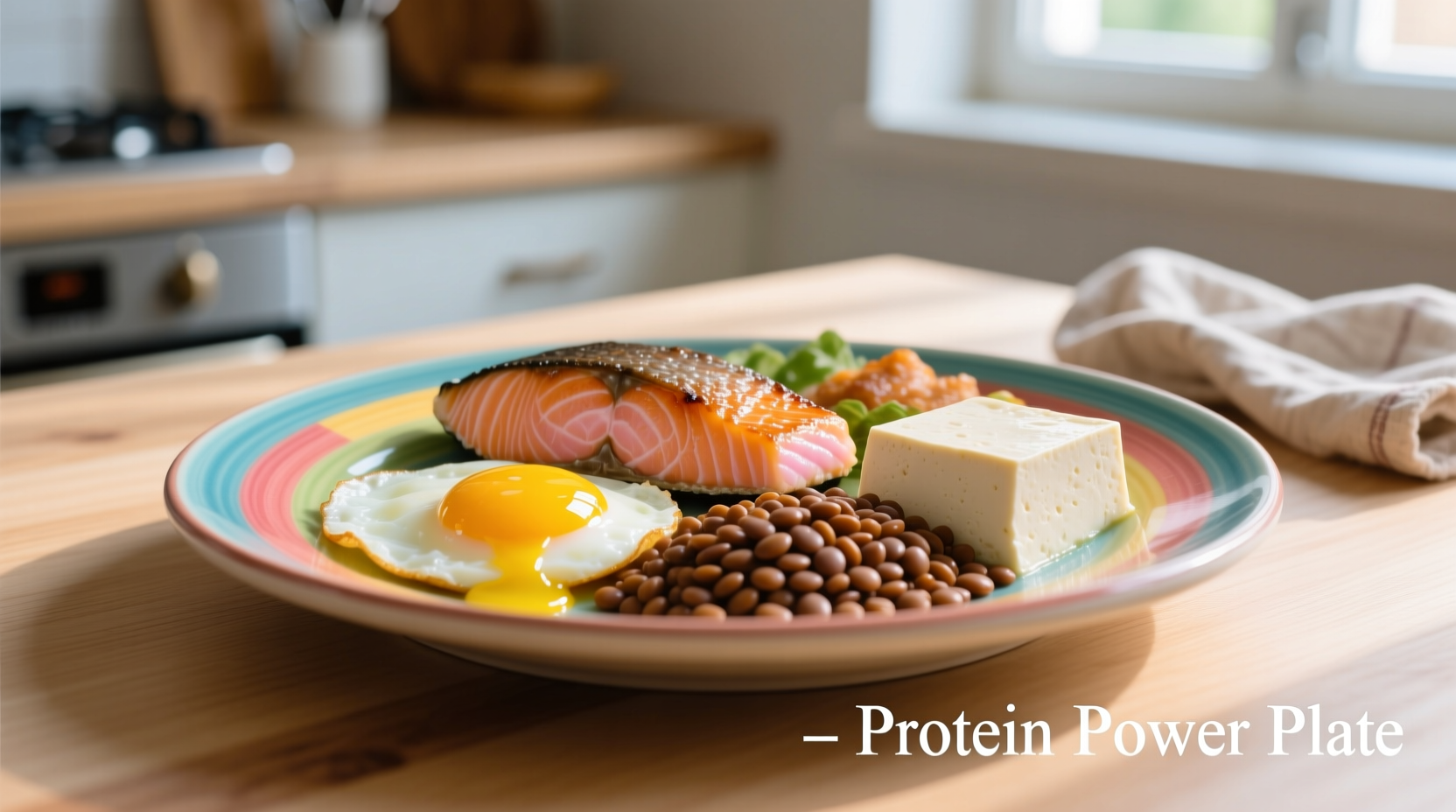
Eggs represent nature's perfect protein with a biological value of 100—the gold standard for protein quality. A single large egg delivers 6 grams of high-quality protein plus essential nutrients like choline and vitamin D. Fatty fish like salmon provide not only complete protein but also omega-3 fatty acids that reduce inflammation. Lean meats such as chicken breast offer approximately 30 grams of protein per 4-ounce serving with minimal saturated fat when prepared properly.
Plant-Based Protein Solutions
For those following vegetarian or vegan diets, combining complementary plant proteins ensures complete amino acid intake. Lentils provide 18 grams of protein per cooked cup along with substantial fiber and iron. Tempeh, a fermented soy product, delivers 20 grams of protein per 4-ounce serving with enhanced digestibility compared to other soy forms. Modern research shows that consuming varied plant proteins throughout the day—not necessarily in the same meal—effectively meets amino acid requirements.
How Much Protein Do You Actually Need?
Daily protein requirements have evolved significantly in nutritional science. Current Dietary Guidelines for Americans recommend 0.8 grams of protein per kilogram of body weight for sedentary adults, but recent research suggests higher intakes may benefit muscle preservation, especially as we age. Active individuals may require 1.2-2.0 grams per kilogram depending on training intensity.
Context matters significantly when determining your protein needs. Older adults experience "anabolic resistance," requiring higher protein intake (1.0-1.2g/kg) to maintain muscle mass. Athletes building strength need protein strategically timed around workouts—consuming 20-40 grams within 45 minutes post-exercise maximizes muscle protein synthesis. Pregnant women require increased protein (about 71g daily) to support fetal development.
Debunking Common Protein Myths
"More protein automatically builds more muscle" represents one of the most persistent misconceptions in nutrition. Research from the American College of Sports Medicine shows that consuming beyond 1.6 grams per kilogram of body weight provides no additional muscle-building benefits for most recreational athletes. Excess protein doesn't convert to muscle but gets processed by the kidneys or stored as fat.
Another widespread myth suggests plant proteins are inherently inferior. While individual plant sources may lack certain amino acids, a varied plant-based diet easily meets protein requirements. The Academy of Nutrition and Dietetics confirms that "appropriately planned vegetarian, including vegan, diets are healthful, nutritionally adequate, and may provide health benefits for the prevention and treatment of certain diseases."
Practical Protein Integration Strategies
Transform your understanding of protein foods into daily action with these evidence-based approaches. Start your day with a protein-rich breakfast—scrambled eggs with spinach or Greek yogurt with chia seeds—to stabilize blood sugar and reduce mid-morning cravings. When preparing plant-based meals, combine grains with legumes (like hummus with whole wheat pita) to create complete proteins through complementary amino acid profiles.
Budget-conscious eaters can maximize protein value by purchasing seasonal fish, buying meat in bulk and freezing portions, or choosing affordable plant proteins like lentils and black beans. For quick meals, keep hard-boiled eggs, canned tuna, or roasted chickpeas on hand as protein-boosting additions to salads or grain bowls. Remember that cooking methods impact protein quality—gentle steaming preserves more nutrients in fish than high-heat frying.




 浙公网安备
33010002000092号
浙公网安备
33010002000092号 浙B2-20120091-4