
Immediate Relief: What to Reach For When Nausea Strikes
When nausea hits, your stomach needs gentle, easily digestible options. Research from the Mayo Clinic confirms that certain foods work faster than others to calm queasiness. Here's what actually helps based on clinical evidence:
| Food/Drink | Time to Relief | Best For | Why It Works |
|---|---|---|---|
| Fresh ginger tea | 10-15 minutes | All nausea types | Blocks serotonin receptors that trigger nausea |
| Saltine crackers | 15-20 minutes | Morning sickness, motion sickness | Absorbs stomach acid, provides gentle carbs |
| Clear broth | 20-30 minutes | Post-vomiting recovery | Replenishes electrolytes without irritation |
| Banana | 30-45 minutes | Dehydration-related nausea | Restores potassium, easy to digest |
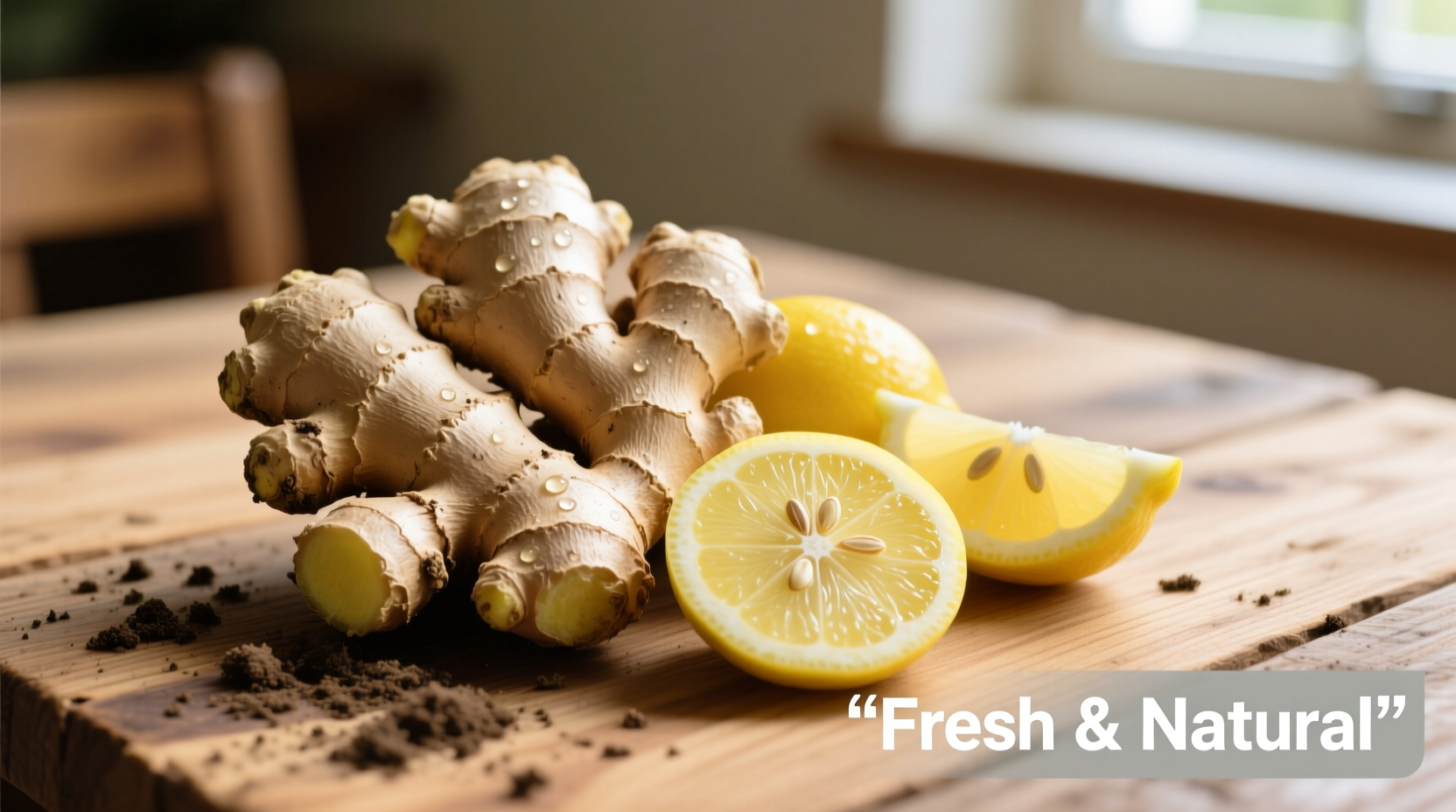
According to a 2023 National Institutes of Health review of 27 clinical trials, ginger compounds (gingerols and shogaols) significantly reduce nausea severity compared to placebos across multiple causes including pregnancy, chemotherapy, and motion sickness. The recommended effective dose is 1-1.5 grams of fresh ginger or 250-500mg of standardized extract.
Progressing Through Recovery: What to Eat Next
After initial relief, your stomach needs gradual reintroduction of nutrients. The BRAT diet (bananas, rice, applesauce, toast) has been clinically validated for gastrointestinal recovery, though modern nutritionists recommend expanding it with these additions:
Stage 1: First 2-4 Hours
- Clear liquids only - Sip water, herbal teas, or oral rehydration solutions
- Ice chips - Easier to retain than liquids for severe nausea
- Electrolyte popsicles - Provides hydration with minimal effort
Stage 2: 4-12 Hours After Relief
- Plain rice or oatmeal - Provides gentle carbohydrates
- Applesauce - Contains pectin that soothes the stomach lining
- Boiled potatoes - Easily digestible complex carbs
Stage 3: 12-24 Hours
- Scrambled eggs - Soft protein that's easy to digest
- Steamed carrots - Gentle vegetables with beta-carotene
- Plain yogurt - Restores gut bacteria (avoid if lactose sensitive)
What Actually Makes Nausea Worse
Understanding what to avoid is just as important as knowing what helps. The Cleveland Clinic identifies these common triggers:
- Fatty or fried foods - Delay stomach emptying by 40-60%
- Strong-smelling foods - Coffee, garlic, and spices can trigger nausea centers
- Carbonated beverages - Increase stomach pressure causing discomfort
- Citrus juices - High acidity irritates sensitive stomach lining
- Large meals - Overwhelm digestive capacity when stomach is vulnerable
Special Situations: Tailored Nausea Relief
Different causes of nausea require specific food approaches. Here's what works best for common scenarios:
Pregnancy-Related Nausea
The American Pregnancy Association recommends keeping plain crackers by your bed and eating one before getting up. Protein-rich snacks like almonds between meals help stabilize blood sugar. Avoid iron supplements on empty stomachs as they worsen nausea.
Post-Chemotherapy Nausea
Oncology nutritionists suggest cold foods (which have less aroma) and high-protein options like smooth nut butters. The National Cancer Institute notes that ginger remains effective even with medication-resistant nausea.
Motion Sickness
Before travel, eat dry toast or crackers 1-2 hours beforehand. During travel, avoid reading and focus on the horizon. Ginger chews work better than pills for motion sickness according to University of Michigan research.
When Food Remedies Aren't Enough
While dietary approaches help most nausea cases, seek medical attention if you experience:
- Vomiting lasting more than 24 hours
- Inability to keep down liquids for 12+ hours
- Signs of dehydration (dark urine, dizziness)
- Blood in vomit or severe abdominal pain
These symptoms indicate conditions requiring medical intervention beyond dietary solutions.
Practical Implementation Tips
Make nausea relief accessible with these kitchen-ready strategies:
- Keep frozen ginger slices for quick tea
- Store pre-portioned saltines in multiple locations
- Prepare electrolyte ice cubes for easy sipping
- Use a small food scale to measure effective ginger doses
- Keep bland foods visible in your refrigerator




 浙公网安备
33010002000092号
浙公网安备
33010002000092号 浙B2-20120091-4