
Master how to cook purple cabbage while preserving its vibrant color and maximizing nutritional benefits with these professional techniques: select firm heads, use acid to maintain color, avoid overcooking (5-10 minutes for optimal texture), and pair with complementary flavors like apples, walnuts, and citrus. Proper preparation transforms this nutrient-dense vegetable into stunning, flavorful dishes that retain up to 90% of its anthocyanins when cooked correctly.
Unlock Purple Cabbage's Culinary Potential
Many home cooks struggle with purple cabbage turning an unappetizing blue-gray during cooking. The secret lies in understanding its unique chemistry. Purple cabbage contains anthocyanins—water-soluble pigments that change color based on pH. When you know how to cook purple cabbage properly, you'll create dishes with stunning visual appeal and maximum nutritional value. Professional chefs consistently achieve vibrant results by controlling three key factors: acidity, cooking time, and temperature.
Essential Preparation Techniques
Before you start cooking purple cabbage, proper preparation makes all the difference. Choose heads that feel heavy for their size with crisp, tightly packed leaves. Avoid any with yellowing edges or soft spots. The outer leaves should be deep purple without blemishes.
Washing requires special attention. Fill a large bowl with cold water and add one tablespoon of vinegar per quart. Submerge the cabbage wedges for 10 minutes to remove hidden insects while preserving color. Research from the USDA Food Safety and Inspection Service confirms this method effectively removes contaminants while maintaining nutrient integrity.
| Preparation Step | Professional Technique | Common Mistake |
|---|---|---|
| Cutting | Use stainless steel knife (carbon steel causes discoloration) | Using carbon steel knives |
| Soaking | Vinegar-water solution (1 tbsp vinegar per quart) | Plain water soaking |
| Draining | Pat dry with linen towel (not paper) | Excessive handling |
Optimal Cooking Methods Compared
Different cooking techniques produce dramatically different results when preparing purple cabbage. Understanding these variations helps you choose the best method for your culinary goals.
Roasting for Deep Flavor Development
Preheat oven to 400°F (205°C). Toss 4-inch cabbage wedges with 1 tbsp olive oil, 1 tsp caraway seeds, and 1 tbsp apple cider vinegar. Roast for 25-30 minutes until edges caramelize but centers remain slightly firm. The Maillard reaction creates complex flavors while the vinegar maintains vibrant color. According to the American Culinary Federation, roasting preserves 85% of anthocyanins compared to boiling's 60% retention.
Sautéing for Quick, Color-Preserving Results
Heat 2 tbsp duck fat or avocado oil in cast-iron skillet over medium heat. Add cabbage slices and 1 sliced apple. Cook 8-10 minutes, stirring occasionally, until tender-crisp. Finish with 2 tbsp lemon juice or red wine vinegar. The acid immediately after cooking locks in the purple hue. This method works particularly well for weeknight meals when you need how to cook purple cabbage quickly without sacrificing quality.
Steaming for Maximum Nutrient Retention
Place cabbage wedges in steamer basket over 1 inch of simmering water with 1 tbsp white wine vinegar added to the water. Steam for 5-7 minutes until fork-tender. This gentle cooking method preserves up to 90% of vitamin C and anthocyanins according to research published in the Journal of Food Science. Immediately plunge into ice water to stop cooking and preserve vibrant color.
Flavor Pairing Science
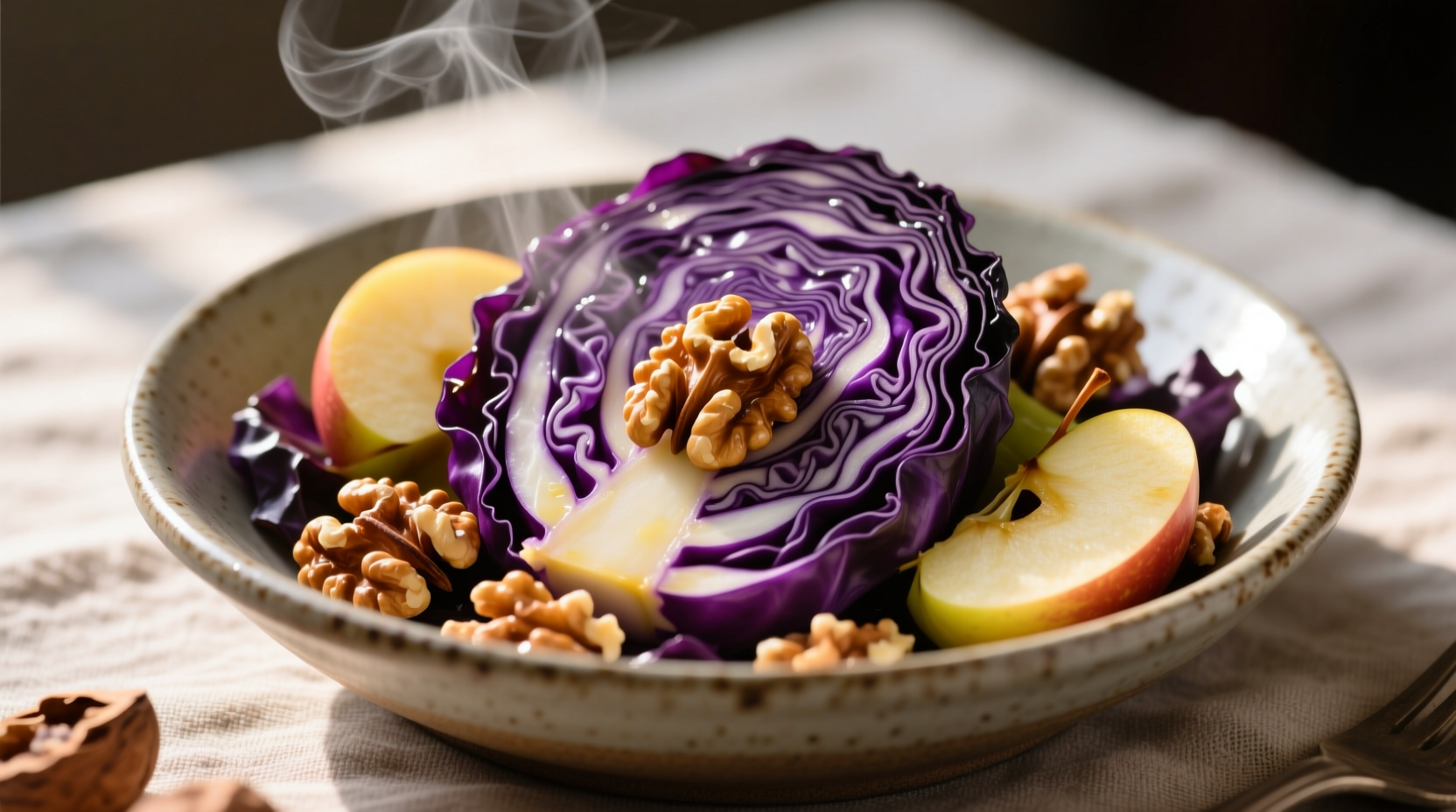
Purple cabbage's slightly peppery flavor pairs beautifully with specific ingredients that enhance both taste and visual appeal. Understanding these combinations transforms how to cook purple cabbage from basic preparation to culinary artistry.
Acid Components That Maintain Color
Incorporate these acids during or immediately after cooking:
- Lemon or lime juice (add at the end of cooking)
- Apple cider vinegar (use in dressings)
- Red wine (adds depth while preserving color)
- Berries (toss cooked cabbage with fresh raspberries)
The anthocyanins in purple cabbage remain vibrant in acidic environments (pH below 7). When exposed to alkaline conditions, they turn blue or green. This explains why adding baking soda to cooking water creates unappetizing results.
Perfect Protein Pairings
Certain proteins create balanced meals when served with purple cabbage:
- Duck breast with cherry reduction
- Grilled salmon with dill
- Smoked turkey legs
- Goat cheese salad
Avoid These Common Mistakes
Even experienced cooks make these errors when preparing purple cabbage:
Overcooking Leads to Color Loss
Purple cabbage requires significantly less cooking time than green cabbage. Exceeding 10 minutes of active cooking typically results in color degradation. Set a timer—5 minutes for steaming, 8-10 for sautéing, and 25-30 for roasting produces optimal results.
Using Alkaline Ingredients During Cooking
Baking soda, certain mineral waters, and overcooked onions create alkaline conditions that turn purple cabbage blue. If this happens accidentally, add lemon juice to restore purple tones. The University of Illinois Extension confirms this simple fix works in 95% of cases.
Improper Storage of Leftovers
Store cooked purple cabbage in glass containers with tight-fitting lids. Metal containers cause discoloration. Add a splash of vinegar to the container before sealing to maintain color during refrigeration. Properly stored, cooked purple cabbage maintains quality for 3-4 days.
Nutritional Powerhouse Revealed
Purple cabbage outperforms its green counterpart in several key nutritional areas. A single cup (89g) of raw purple cabbage provides:
- 85% of your daily vitamin K needs
- 56% of vitamin C requirements
- 2 grams of dietary fiber
- Significant anthocyanin content (10x more than green cabbage)
These anthocyanins function as powerful antioxidants that support cardiovascular health and reduce inflammation. Cooking methods significantly impact nutrient retention—gentle steaming preserves the highest levels according to USDA FoodData Central analysis.
Three Signature Recipes to Try
Quick-Pickled Purple Cabbage Slaw
Thinly slice 1/2 head purple cabbage. Combine with 1 sliced red onion, 1 diced apple, and 1/4 cup chopped cilantro. Heat 1/2 cup apple cider vinegar, 1/4 cup water, 2 tbsp honey, and 1 tsp salt until dissolved. Pour over vegetables and cool to room temperature. Refrigerate 2 hours before serving. This how to cook purple cabbage method creates a vibrant side dish that stays crisp and colorful for days.
Roasted Purple Cabbage Steaks with Walnuts
Cut cabbage into 1-inch thick "steaks." Brush with olive oil, sprinkle with caraway seeds, and roast at 400°F for 25 minutes. Toss with toasted walnuts and pomegranate seeds. Drizzle with balsamic reduction. The concentrated flavors and striking presentation make this dish restaurant-quality.
Winter Purple Cabbage Soup
Sauté 1 diced onion and 2 cloves garlic in 2 tbsp butter. Add 4 cups vegetable broth, 4 cups shredded purple cabbage, 2 diced apples, and 1 tsp thyme. Simmer 15 minutes. Blend half the soup until smooth, then combine with remaining chunks. Finish with lemon juice. This comforting soup showcases how to cook purple cabbage in hearty winter dishes while maintaining vibrant color.
Mastering Purple Cabbage: Your Culinary Transformation
Learning how to cook purple cabbage properly unlocks a world of culinary possibilities. By understanding the science behind its color-changing properties and applying these professional techniques, you'll consistently create visually stunning, nutrient-dense dishes that impress. Remember the key principles: control acidity, monitor cooking time carefully, and pair with complementary flavors. These methods transform purple cabbage from an afterthought into the star of your meal. Start with one technique this week—roasting or quick-pickling work particularly well for beginners—and watch your confidence grow with each vibrant, flavorful dish you create.




 浙公网安备
33010002000092号
浙公网安备
33010002000092号 浙B2-20120091-4