
The Science Behind Urine's Taste Profile
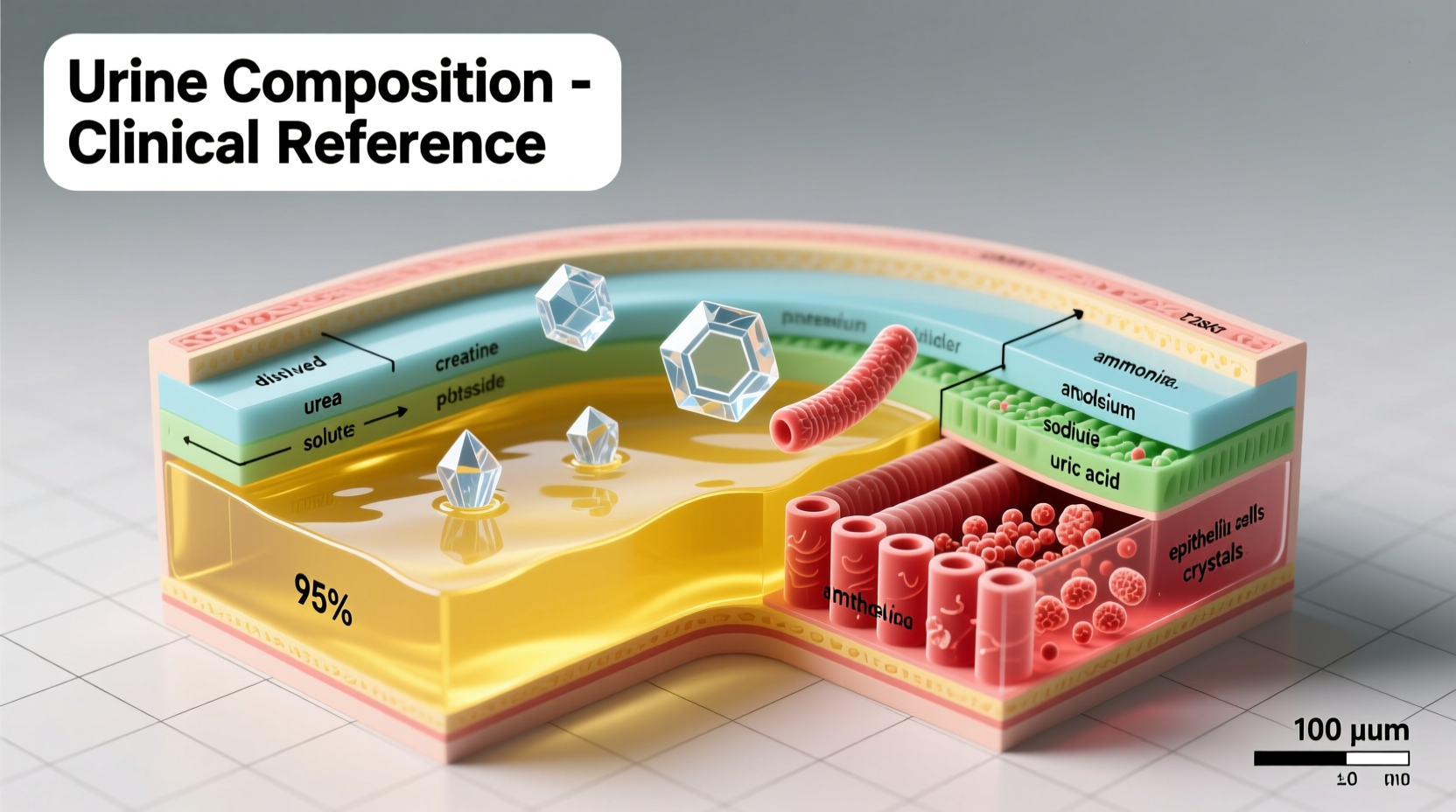
Understanding what pee tastes like requires examining its chemical composition. Urine contains approximately 95% water, with the remaining 5% consisting of:
- Urea (2-5g per 100ml) - primary contributor to bitter taste
- Sodium chloride (salts) - creates salty sensation
- Uric acid - adds metallic undertones
- Ammonia compounds - particularly noticeable in concentrated urine
According to the National Institutes of Health, these compounds create a distinctly unpleasant flavor profile that serves as a natural deterrent against consumption. The human taste receptors detect these compounds at concentrations far below what would be considered medically dangerous.
When Might Someone Actually Taste Urine?
It's crucial to understand that tasting urine isn't part of normal physiology. Medical literature identifies three specific scenarios where urine taste might be perceived:
| Scenario | Frequency | Associated Conditions |
|---|---|---|
| Severe xerostomia (dry mouth) | Occasional | Sjögren's syndrome, medication side effects |
| Gastroesophageal reflux | Rare | Severe GERD, hiatal hernia |
| Urinary fistula | Very rare | Surgical complications, trauma |
Medical Significance of Urine Taste Perception
When urine taste is actually perceived, it often signals underlying health issues requiring medical evaluation. The Mayo Clinic identifies several concerning patterns:
- Consistent bitter taste - may indicate kidney dysfunction or concentrated urine from dehydration
- Sweet urine taste - potential sign of uncontrolled diabetes (historically how diabetes was first identified)
- Ammonia-like flavor - could signal urinary tract infection or liver problems
Medical professionals emphasize that urine taste perception alone isn't diagnostic. The Centers for Disease Control and Prevention recommends consulting a healthcare provider if unusual tastes persist for more than 48 hours, especially when accompanied by other symptoms like frequent urination or fatigue.
Safety Considerations and Myths
Despite historical practices in some traditional medicine systems, modern medical science strongly advises against urine consumption. The World Health Organization's guidelines on bodily fluid safety note that while urine from healthy individuals is generally sterile when produced, it quickly becomes contaminated with bacteria once outside the body.
Myth clarification: The notion that "urine therapy" provides health benefits lacks scientific support. The National Center for Complementary and Integrative Health states there's no evidence supporting therapeutic benefits and potential risks include bacterial infections and electrolyte imbalances.
When to Seek Medical Advice
While occasional metallic or bitter tastes can result from temporary dry mouth, consult a healthcare provider if you experience:
- Urine-like taste lasting more than two days
- Accompanying symptoms like frequent urination or pain
- Changes in urine color or odor
- Unexplained weight loss or fatigue
Early consultation helps identify potential issues before they progress. Remember that taste perception varies significantly between individuals, so professional evaluation provides the most reliable assessment.
Frequently Asked Questions
Is it dangerous if I taste urine in my mouth?
Tasting urine occasionally due to dry mouth isn't dangerous, but persistent urine taste lasting more than 48 hours warrants medical evaluation as it could indicate underlying health conditions like kidney issues or severe dehydration.
Why does urine taste bitter and salty?
Urine's bitter taste comes primarily from urea and uric acid, while the salty sensation results from sodium chloride and other electrolytes. These compounds naturally occur in urine as waste products filtered by the kidneys.
Can diabetes cause urine to taste sweet?
Yes, uncontrolled diabetes can cause urine to taste sweet due to excess glucose. Historically, physicians diagnosed diabetes by tasting patients' urine. Today, medical testing provides safer, more accurate diagnosis without requiring taste evaluation.
Should I be concerned about a metallic taste related to urine?
A metallic urine taste could indicate concentrated urine from dehydration or potential kidney issues. While occasional metallic tastes from dry mouth aren't concerning, persistent metallic tastes lasting more than two days should be evaluated by a healthcare provider.
What medical conditions cause urine taste perception?
Medical conditions that might cause urine taste perception include severe dry mouth (xerostomia), urinary fistulas, gastroesophageal reflux disease (GERD), and certain kidney disorders. Persistent urine taste perception always warrants professional medical evaluation.




 浙公网安备
33010002000092号
浙公网安备
33010002000092号 浙B2-20120091-4