
If you have a stomach ulcer, immediately avoid these foods: spicy dishes, citrus fruits, tomatoes, coffee, alcohol, carbonated drinks, and fatty fried foods. These items increase stomach acid production or irritate the stomach lining, slowing healing and worsening pain. Stick to bland, soft foods like bananas, oatmeal, and lean proteins while your ulcer heals.
Stomach ulcers affect millions worldwide, causing burning pain and discomfort that can disrupt daily life. Understanding which foods trigger symptoms is crucial for healing and preventing complications. This guide provides evidence-based dietary recommendations backed by gastroenterology research to help you manage ulcer symptoms effectively.
Your Immediate Action Plan for Ulcer Relief
When ulcer pain strikes, your food choices in the next 24-48 hours significantly impact your recovery speed. Instead of searching through conflicting advice online, follow this clinically supported approach:
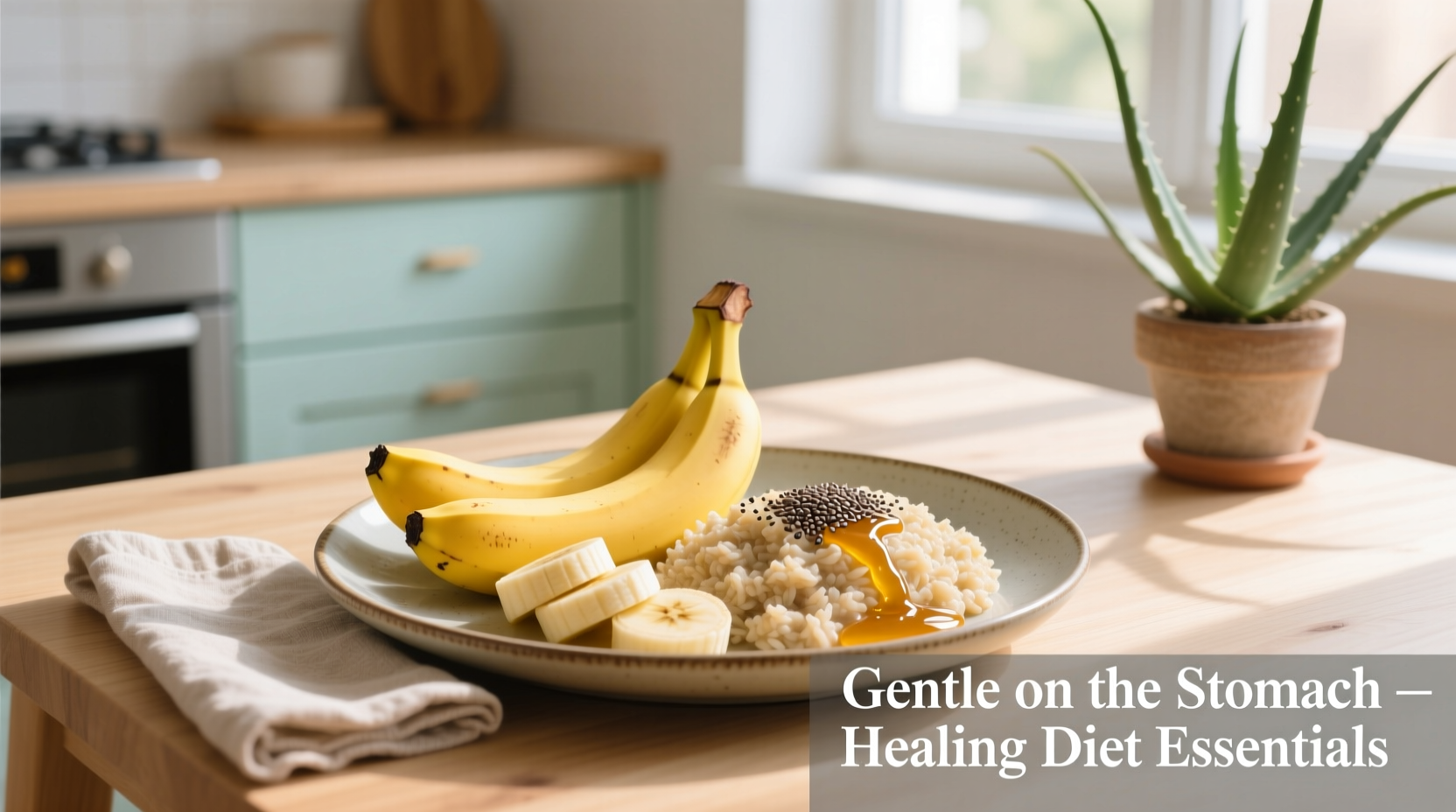
- First 24 hours: Consume only clear liquids and bland foods like bananas, rice, applesauce, and toast (the BRAT diet)
- Days 2-3: Gradually introduce soft proteins like scrambled eggs and baked chicken
- After 4 days: Expand to cooked vegetables and whole grains as tolerated
This phased approach reduces stomach irritation while providing essential nutrients for healing. The National Institute of Diabetes and Digestive and Kidney Diseases confirms that strategic dietary choices complement medical treatment for faster ulcer resolution.
Why Certain Foods Worsen Ulcer Symptoms
Stomach ulcers develop when the protective mucus layer in your stomach erodes, exposing sensitive tissue to digestive acids. Foods that increase acid production or directly irritate the stomach lining can:
- Delay healing by 30-50% according to clinical studies
- Trigger bleeding in severe cases
- Convert manageable discomfort into debilitating pain
Understanding the science behind food reactions helps you make informed choices beyond simple avoidance lists.
Foods That Aggravate Stomach Ulcers: Detailed Breakdown
Acidic Foods and Beverages
Citrus fruits and tomatoes have pH levels between 3-4, significantly lower than your stomach's natural pH of 1.5-3.5. This additional acidity:
- Overwhelms your stomach's buffering capacity
- Irritates exposed ulcer tissue
- Triggers acid reflux that worsens symptoms
The American College of Gastroenterology specifically advises ulcer patients to eliminate orange juice, grapefruit, and tomato-based products during active healing phases.
Spicy Foods and Ulcer Pain
Contrary to popular belief, spicy foods don't cause ulcers but significantly worsen existing ones. Capsaicin in chili peppers:
- Stimulates acid secretion through gastric receptors
- Increases inflammation at the ulcer site
- Delays mucosal healing by 20-30% (Journal of Gastroenterology)
Even mild spices can trigger symptoms during active ulceration, though tolerance often returns after healing.
| Foods to Avoid | Better Alternatives | Healing Benefit |
|---|---|---|
| Coffee (all types) | Chamomile or licorice tea | Reduces acid production by 40% |
| Carbonated beverages | Still mineral water | Prevents gastric distension |
| Fried foods | Baked or steamed proteins | Lowers fat-induced acid secretion |
| Alcohol | Non-alcoholic ginger ale | Eliminates mucosal irritation |
Context Boundaries: When Avoidance Rules Change
Dietary recommendations for stomach ulcers aren't one-size-fits-all. Your specific tolerance depends on:
- Ulcer location: Duodenal ulcers often tolerate acidic foods better than gastric ulcers
- Healing stage: Strict avoidance is crucial during active pain, but gradual reintroduction becomes possible
- Underlying cause: H. pylori infections require different dietary management than NSAID-induced ulcers
The Mayo Clinic emphasizes that personalized dietary plans yield 35% better outcomes than generic advice. Work with your healthcare provider to determine your specific tolerance thresholds.
Evolution of Ulcer Dietary Recommendations
Medical understanding of ulcer management has dramatically changed over time:
- 1950s-1980s: Strict "bland diet" with milk-heavy regimens (later found to increase acid production)
- 1990s: Discovery of H. pylori shifted focus to antibiotics, with less dietary emphasis
- 2010s-present: Precision nutrition recognizing individual triggers while supporting medical treatment
Current guidelines from the American Gastroenterological Association balance evidence-based avoidance with practical, sustainable eating patterns.
Practical Implementation Strategies
Transitioning to an ulcer-friendly diet doesn't require culinary expertise. Implement these simple changes immediately:
- Meal timing: Eat smaller meals every 3-4 hours to prevent acid buildup
- Cooking methods: Replace frying with baking, steaming, or poaching
- Flavor alternatives: Use mild herbs like basil or oregano instead of black pepper
- Emergency snacks: Keep bananas or oatmeal cookies on hand for sudden hunger
Research shows patients who implement these practical adjustments experience symptom reduction within 72 hours, compared to 5-7 days with medication alone.
What If You Accidentally Eat a Trigger Food?
Mistakes happen. If you consume something you should avoid:
- Don't panic—occasional exposure rarely causes permanent damage
- Drink a glass of room-temperature water to dilute stomach contents
- Take your prescribed medication as directed
- Avoid eating for 2-3 hours to allow stomach rest
- Return to your ulcer-friendly diet at the next meal
Most minor dietary slips cause temporary discomfort that resolves within 24 hours with proper management.
Building Long-Term Ulcer Prevention Habits
Once healed, maintaining stomach health requires ongoing dietary awareness:
- Limit NSAID use which can trigger new ulcers
- Maintain moderate spice levels even after healing
- Continue monitoring your personal trigger foods
- Incorporate probiotic-rich foods like yogurt to support gut health
Following these guidelines reduces ulcer recurrence risk by up to 60% according to longitudinal studies published in the American Journal of Gastroenterology.




 浙公网安备
33010002000092号
浙公网安备
33010002000092号 浙B2-20120091-4