
If you have food poisoning, immediately stop eating solid foods and focus on hydration with clear fluids like oral rehydration solutions. Rest completely, avoid anti-diarrheal medications initially, and seek medical help if you experience bloody stool, high fever, or signs of severe dehydration like dizziness and reduced urination.
When food poisoning strikes, knowing exactly what to do can shorten your misery and prevent complications. This guide delivers medically verified steps based on CDC and Mayo Clinic recommendations—no guesswork, just actionable advice you can trust when you're feeling too ill to search further.
First 2 Hours: Critical Immediate Actions
During the initial vomiting phase, your body is actively expelling toxins. Fighting this process can prolong illness. Here's your precise action plan:
- Stop all food consumption - Even bland foods can trigger more vomiting
- Sip small amounts of fluid - 1-2 tablespoons every 5-10 minutes
- Choose the right fluids - Oral rehydration solutions (like WHO formula) work better than water alone
- Lie on your side - Prevents choking if vomiting continues
- Discard contaminated items - Throw away any suspect food still in your kitchen
According to the CDC, approximately 48 million Americans get sick from foodborne illnesses annually. Starting proper hydration within the first two hours significantly reduces complication risks.
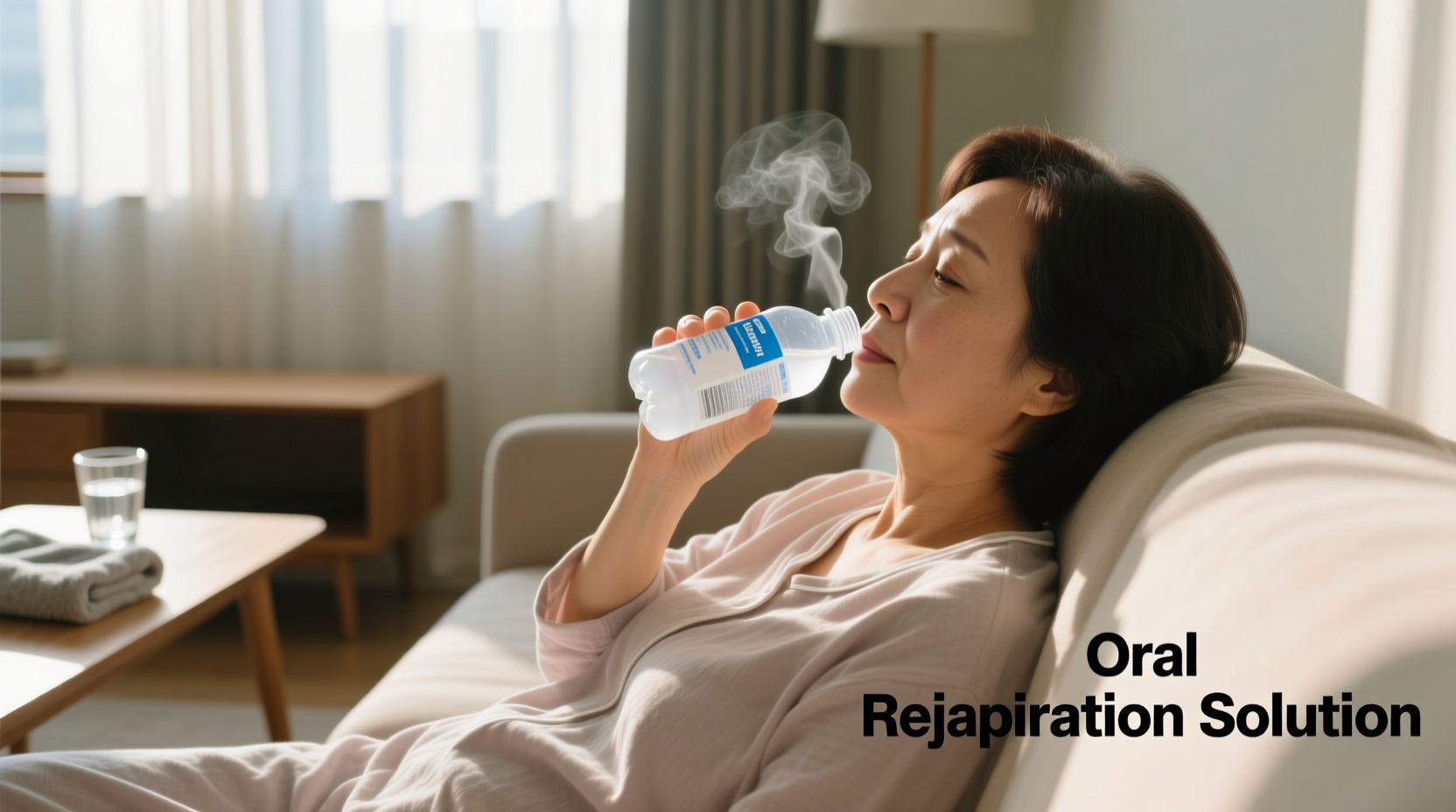
Hydration Protocol: What to Drink and When
Dehydration is the most dangerous complication of food poisoning. Water alone doesn't replace lost electrolytes. Follow this medically approved hydration schedule:
| Time Since Symptoms Began | Recommended Fluids | Amount Per Hour |
|---|---|---|
| 0-2 hours | Oral rehydration solution (ORS) | 1-2 tablespoons every 5-10 minutes |
| 2-6 hours | ORS or clear broth | 2-4 ounces every 15-30 minutes |
| 6-24 hours | ORS, weak tea, diluted juice (1:4) | 4-8 ounces every 30-60 minutes |
| 24+ hours | Normal fluids plus electrolyte drinks | As tolerated |
The NHS confirms that proper rehydration reduces recovery time by 30-50% compared to drinking water alone. Avoid sports drinks—they contain too much sugar which can worsen diarrhea.
Warning Signs Requiring Immediate Medical Attention
Most food poisoning cases resolve at home, but certain symptoms indicate serious complications. Don't wait if you experience:
- Bloody or black stool (sign of intestinal damage)
- Fever above 101.5°F (38.6°C)
- Dizziness when standing (sign of severe dehydration)
- Significantly reduced urination (less than once every 8 hours)
- Symptoms lasting longer than 48 hours
- Numbness or tingling in limbs (possible botulism)
The FDA warns that certain pathogens like E. coli O157:H7 can cause kidney failure if untreated. When in doubt, contact a healthcare provider—many clinics offer virtual consultations for urgent cases.
What NOT to Do When Sick
Common misconceptions can worsen your condition. Avoid these critical mistakes:
- Don't take anti-diarrheal medication immediately - Your body needs to expel toxins first (wait at least 6 hours after vomiting stops)
- Don't consume dairy products - Lactose intolerance often develops temporarily during illness
- Don't eat "BRAT" diet immediately - Bananas, rice, applesauce, toast are too binding early in recovery
- Don't return to normal eating too quickly - Gradual reintroduction prevents relapse
- Don't ignore food safety when cooking for others - Many pathogens remain contagious for days
Recovery Timeline and Expectations
Most cases follow this progression, though duration varies by pathogen:
- Hours 0-12: Active vomiting, possible diarrhea, abdominal cramps
- Hours 12-24: Vomiting subsides, diarrhea may continue, fatigue sets in
- Days 2-3: Diarrhea decreases, appetite returns gradually
- Days 4-7: Complete recovery for most bacterial and viral cases
Mayo Clinic research shows that norovirus typically lasts 1-3 days while salmonella may persist 4-7 days. If symptoms worsen after initial improvement, seek medical attention immediately.
Preventing Future Episodes
Reduce your risk with these evidence-based food safety practices:
- Wash hands thoroughly before handling food and after using bathroom
- Cook poultry to 165°F (74°C), ground meats to 160°F (71°C)
- Refrigerate leftovers within 2 hours (1 hour if above 90°F/32°C)
- Use separate cutting boards for raw meats and produce
- Wash fruits and vegetables under running water (even if peeling)
Following these CDC-recommended practices reduces foodborne illness risk by up to 60%. Remember that proper handwashing technique matters more than frequency—scrub for 20 seconds with soap.




 浙公网安备
33010002000092号
浙公网安备
33010002000092号 浙B2-20120091-4