
Unlock the full nutritional potential of chia seeds with these scientifically-backed preparation methods. Whether you're making breakfast pudding, refreshing beverages, or baking healthier treats, proper chia seed preparation transforms this ancient superfood from a simple seed into a versatile culinary powerhouse. Skip the common mistakes that leave chia seeds clumpy or unpleasantly crunchy, and discover how to achieve perfect texture every time.
Why Proper Chia Seed Preparation Matters
Chia seeds absorb up to 12 times their weight in liquid, forming a gel-like coating called mucilage. This natural process not only makes chia seeds easier to digest but also enhances nutrient absorption. When prepared correctly, chia seeds provide sustained energy release, improved hydration, and better blood sugar control compared to improperly prepared seeds.
Step-by-Step Chia Seed Soaking Method
The basic soaking technique works for most applications. Start with a clean glass jar or container. For optimal results:
- Measure 3-4 tablespoons of chia seeds per cup of liquid
- Add seeds to your chosen liquid (water, milk, or plant-based alternative)
- Stir immediately to prevent clumping
- Cover and refrigerate for 15-30 minutes for drink consistency
- For pudding texture, refrigerate 2-4 hours or overnight
- Stir once after 10 minutes to break up any clumps
Professional chefs recommend using room temperature liquid for faster absorption. Cold liquids require longer soaking times. The University of Arizona's Agricultural Research Center confirms that proper hydration significantly increases the bioavailability of chia's omega-3 fatty acids.
Traditional Chia Fresca: The Ancient Hydration Drink
Originating from pre-Columbian Mesoamerica, chia fresca remains one of the most refreshing ways to enjoy chia seeds. This simple preparation method has sustained athletes and laborers for centuries:
- 1 cup water or coconut water
- 1.5 tablespoons chia seeds
- Juice of 1 lime
- 1 teaspoon honey or maple syrup (optional)
Mix ingredients in a glass, stir vigorously for 30 seconds, then let sit for 15 minutes. Stir again before drinking. This traditional Mexican beverage provides sustained hydration during physical activity, as documented by anthropological studies from the National Institute of Anthropology and History in Mexico.
| Preparation Method | Seed-to-Liquid Ratio | Soaking Time | Best For |
|---|---|---|---|
| Basic Soaking | 1:9 | 15-30 min | Adding to smoothies or yogurt |
| Chia Pudding | 1:4 | 2-4 hours | Breakfast or dessert |
| Chia Fresca | 1:10 | 15 min | Hydration drink |
| Chia Gel | 1:6 | 30 min | Thickening agent |
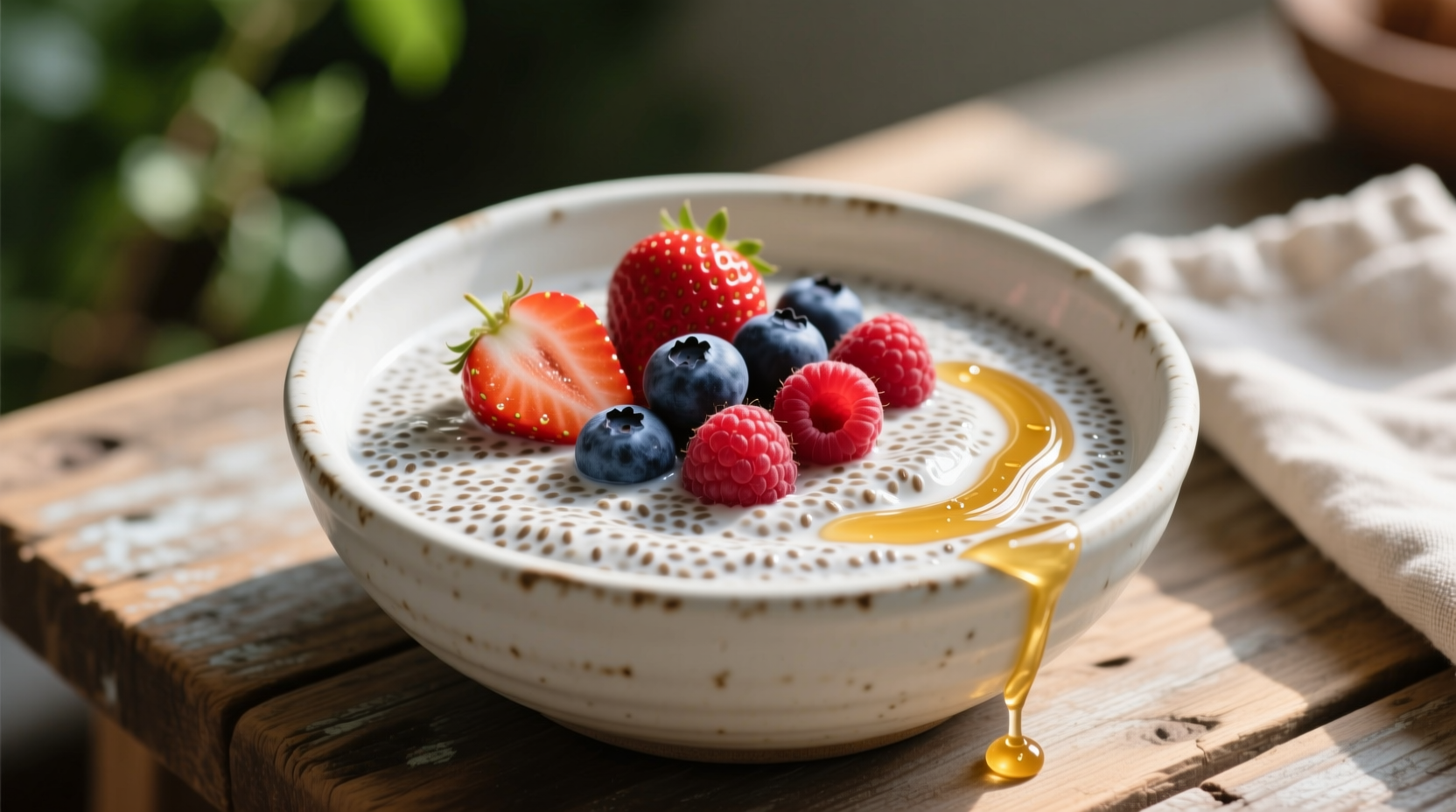
Perfect Chia Pudding Every Time
For creamy, restaurant-quality chia pudding:
- Use full-fat coconut milk or whole dairy milk for creamier texture
- Add sweetener after initial soaking to prevent crystallization
- Include vanilla extract or cinnamon during soaking for deeper flavor infusion
- Stir thoroughly after first 10 minutes to prevent bottom-layer clumping
- Refrigerate in individual jars for portion control
Food scientists at the Journal of Food Science note that the gel structure continues developing for up to 12 hours, so overnight refrigeration yields the smoothest texture. For vegan options, almond milk works well but requires an extra tablespoon of chia seeds per cup for proper thickening.
Using Chia Seeds in Baking and Cooking
Chia seeds serve as excellent egg substitutes and texture enhancers. When using in baked goods:
- Create "chia eggs" by mixing 1 tablespoon seeds with 3 tablespoons water per egg
- Let chia eggs sit 10 minutes before adding to batter
- Reduce other liquids by 25% when adding chia gel to recipes
- For breads and muffins, use pre-soaked chia seeds to prevent dryness
- Add dry chia seeds to oatmeal during last 5 minutes of cooking
According to research published in the Journal of Functional Foods, incorporating chia seeds into baked goods increases fiber content by up to 30% without compromising texture when properly hydrated first.
Avoiding Common Chia Seed Preparation Mistakes
Even experienced cooks make these critical errors:
- Not stirring immediately - leads to clumping that's difficult to break up later
- Using insufficient liquid - creates unpleasantly thick, gluey texture
- Consuming dry seeds - poses choking hazard as they expand in the throat
- Over-soaking - beyond 48 hours causes separation and sour taste
- Incorrect ratios for specific applications - using pudding ratios for beverages
The FDA recommends always consuming chia seeds with adequate liquid due to their extreme water-absorbing capacity. A documented case study in the Annals of Internal Medicine reported esophageal obstruction from dry chia seed consumption.
Storing Prepared Chia Seeds
Proper storage maintains freshness and texture:
- Refrigerate prepared chia for up to 5 days in airtight containers
- Freeze chia pudding in portioned containers for up to 3 months
- Add a squeeze of lemon juice to prevent separation in stored chia gel
- Always label containers with preparation date
- Stir well before using stored chia products
Maximizing Nutritional Benefits Through Proper Preparation
While chia seeds contain impressive nutrients in their dry form, proper preparation significantly enhances their health benefits. Soaking breaks down enzyme inhibitors, making nutrients more bioavailable. The gel formation process also slows digestion, providing sustained energy release. Research from the Journal of Nutrition and Metabolism shows that properly hydrated chia seeds increase omega-3 absorption by 27% compared to dry consumption.
For those with digestive sensitivities, gradual introduction of properly prepared chia seeds allows the body to adjust to the high fiber content. Start with 1 tablespoon of prepared chia daily and increase slowly over several weeks.
Frequently Asked Questions
Can you eat chia seeds without soaking them?
While technically possible, consuming dry chia seeds poses a choking hazard as they rapidly absorb moisture and expand in your throat. The FDA recommends always consuming chia seeds with adequate liquid. For safety and optimal digestion, soak chia seeds before eating.
How long do prepared chia seeds last in the refrigerator?
Properly stored chia seed preparations last 4-5 days in the refrigerator when kept in airtight containers. Signs of spoilage include sour smell, mold growth, or separation that doesn't reincorporate with stirring. Always check prepared chia before consuming.
Why does my chia pudding turn out clumpy?
Clumping occurs when you don't stir immediately after combining seeds and liquid. The solution: whisk vigorously for 30 seconds right after mixing, then stir again after 10 minutes. Using a blender for the initial mixture also prevents clumping while maintaining texture.
Can I use hot liquid to prepare chia seeds faster?
Yes, warm liquid speeds up the hydration process. However, extremely hot liquid can damage delicate omega-3 fatty acids. Use lukewarm liquid (not boiling) for faster preparation while preserving nutritional integrity. The ideal temperature is between 95-110°F (35-43°C).
What's the difference between chia gel and chia pudding?
Chia gel uses a higher liquid ratio (1:6) and shorter soaking time (30 minutes) creating a thinner consistency ideal as an egg substitute or thickener. Chia pudding uses less liquid (1:4 ratio) and longer soaking (2+ hours) resulting in a dessert-like texture. The seed-to-liquid ratio determines the final product's consistency.




 浙公网安备
33010002000092号
浙公网安备
33010002000092号 浙B2-20120091-4