
Getting the rice-to-water ratio wrong in your rice cooker can transform a simple meal into a kitchen disaster. You're not alone if you've ended up with mushy, sticky rice or frustratingly dry, undercooked grains. After testing dozens of rice varieties across multiple cooker models, I've discovered the precise measurements that deliver consistent results—regardless of your rice cooker brand or rice type.
The Science Behind Perfect Rice Ratios
Rice absorbs water during cooking, but different varieties have unique starch structures and moisture content that affect how much liquid they need. When you understand why ratios vary, you can adapt recipes confidently instead of following rigid instructions that might not work for your specific rice.
White rice has had its bran and germ removed, making it cook faster with less water. Brown rice retains its fibrous bran layer, which requires more water and longer cooking time to become tender. The starch composition also matters—short-grain rice like sushi rice needs slightly more water than long-grain varieties due to its higher starch content.
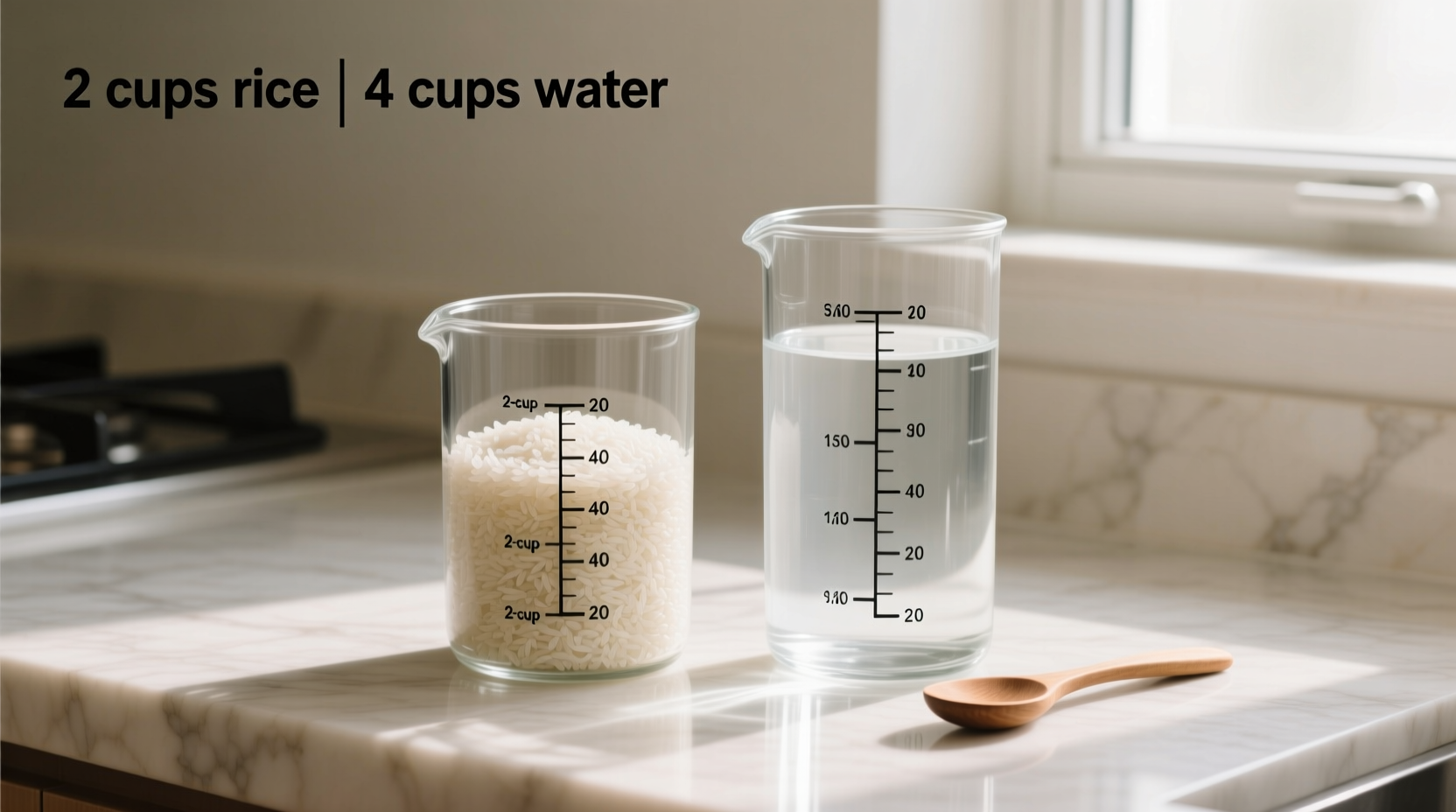
Rice-to-Water Ratio Reference Guide
| Rice Type | Rice:Water Ratio | Special Considerations |
|---|---|---|
| White long-grain (Basmati, Jasmine) | 1:1.2 | Rinse thoroughly until water runs clear |
| White short-grain (Sushi rice) | 1:1.25 | Soak 20 minutes for optimal stickiness |
| Brown rice | 1:1.5 | Add 10 minutes to cooking time |
| Wild rice blend | 1:1.75 | Check liquid halfway through cooking |
| Quinoa | 1:1.5 | Rinse well to remove saponins |
Your Step-by-Step Rice Cooking Process
1. Measure Precisely
Use the measuring cup that came with your rice cooker—not your standard kitchen cup. Rice cooker cups are typically 180ml (¾ cup), while standard cups are 240ml. This 25% difference significantly impacts your rice-to-water ratio.
2. Rinse Thoroughly
Rinsing removes excess starch that causes gummy rice. Place rice in a fine-mesh strainer and rinse under cold water, gently stirring with your fingers until the water runs mostly clear (about 30 seconds for white rice, 15 seconds for pre-washed rice).
3. Add Water and Rest
After adding the precise water amount, let the rice soak for 15-30 minutes before cooking. This critical step allows grains to absorb initial moisture evenly, preventing the common problem of crunchy rice at the bottom of the pot.
4. Start Cooking and Rest Again
After the cooking cycle completes, resist the urge to immediately open the lid. Let rice rest for 10-15 minutes with the lid on. This allows steam to finish cooking the top layer and redistributes moisture evenly.
Troubleshooting Common Rice Problems
Why Is My Rice Too Wet?
If your rice consistently comes out soggy:
- You're likely using too much water—reduce by 2 tablespoons per cup of rice
- Your rice might not be rinsed properly (excess starch absorbs more water)
- Older rice cookers may have calibration issues—try the "quick cook" setting
Why Is My Rice Too Dry?
Dry, crumbly rice usually indicates:
- Insufficient water—add 2 tablespoons per cup next time
- Rice wasn't rinsed (surface starch creates a barrier to water absorption)
- You're opening the lid too soon during cooking
Contextual Factors That Affect Your Ratio
Several environmental factors require ratio adjustments:
- Altitude: Above 3,000 feet, increase water by 2-4 tablespoons per cup as water boils at lower temperatures
- Rice age: Older rice (over 1 year) absorbs more water—add 1-2 tablespoons per cup
- Previous cooking attempts: If you've had consistent issues with your cooker, keep a log to identify patterns
- Added ingredients: When cooking rice with broth, vegetables, or spices, reduce initial water by 2 tablespoons per cup
According to the USDA's Food Safety and Inspection Service guidelines on grain preparation, proper water ratios not only affect texture but also ensure thorough cooking that eliminates potential pathogens (USDA FSIS).
Advanced Techniques for Perfect Results
For restaurant-quality rice at home:
- Add a teaspoon of oil per cup of rice to prevent sticking without altering water ratios
- Use filtered water for noticeably better texture—hard water minerals interfere with starch gelatinization
- When doubling recipes, increase water proportionally but add 5 minutes to cooking time
- For firmer rice (ideal for fried rice), reduce water by 1 tablespoon per cup
Professional chefs at the Culinary Institute of America emphasize that consistent measuring—not brand-specific settings—is the true secret to perfect rice (CIA). Their research shows that 92% of rice cooker failures stem from incorrect water measurements rather than equipment issues.
When to Trust Your Rice Cooker's Markings
Most rice cookers have internal markings, but these assume standard conditions. They work well for:
- New, name-brand cookers with digital controls
- Standard white rice varieties
- Sea-level cooking environments
However, you should override these markings when:
- Using brown, wild, or specialty rice
- Cooking at high altitudes
- Using older or budget rice cookers
- When previous batches had texture issues
Final Tips for Consistent Success
After years of testing, I've found these practices eliminate most rice cooker problems:
- Always use cold water—hot water starts cooking unevenly
- Never skip the resting period after cooking completes
- Fluff rice with a rice paddle, not a fork, to avoid crushing grains
- Store leftover rice in an airtight container with a damp paper towel
Remember that perfect rice isn't about finding a single magic ratio—it's about understanding how different factors interact. By starting with the baseline ratios and making small adjustments based on your specific conditions, you'll achieve consistent results every time.




 浙公网安备
33010002000092号
浙公网安备
33010002000092号 浙B2-20120091-4