
Understanding what goes into your favorite spirits matters—not just for taste preferences but for dietary needs and informed purchasing decisions. This guide cuts through the persistent myth about Tito's base ingredient with verified production details, helping you make smarter choices whether you're mixing cocktails or selecting a bottle for special occasions.
The Truth About Tito's Base Ingredient
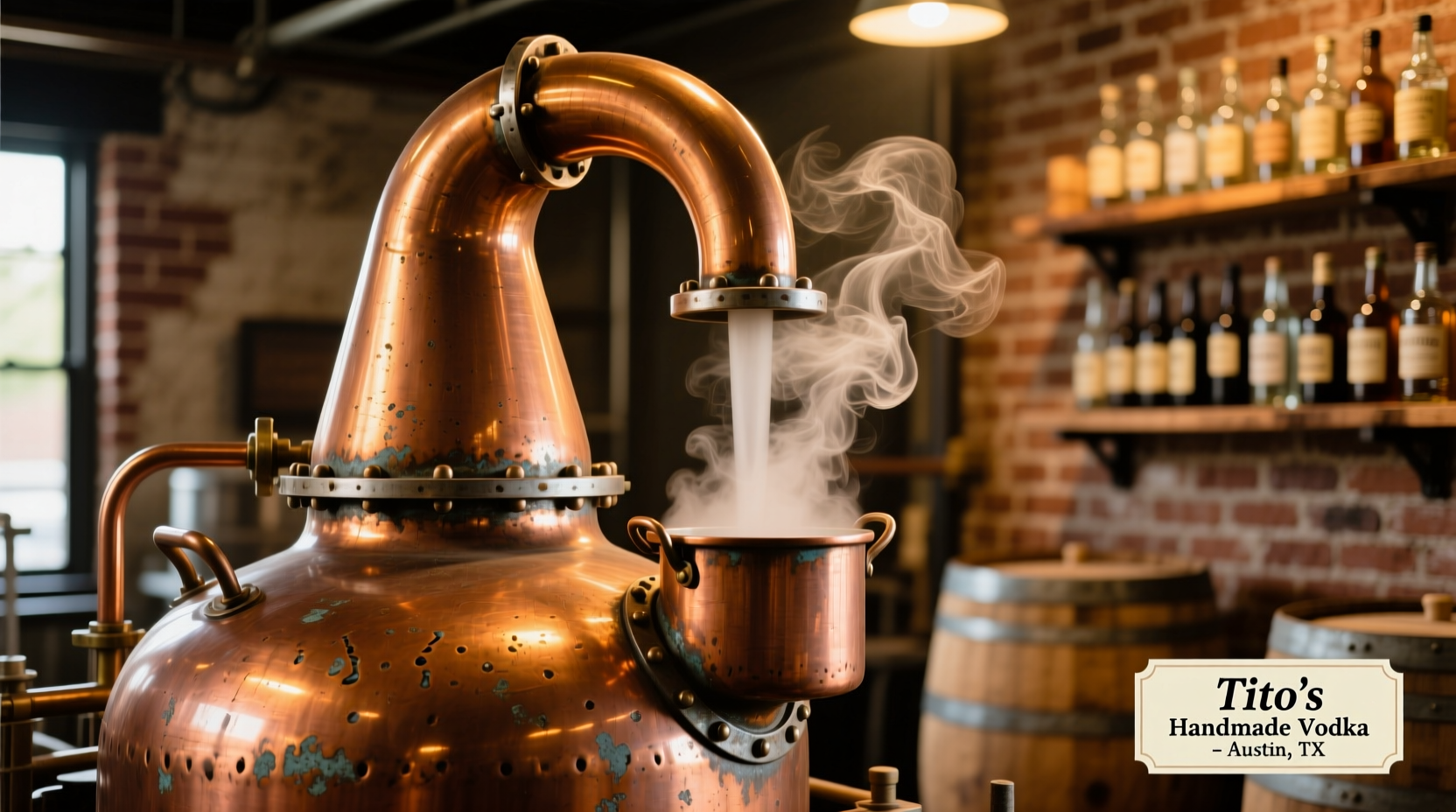
Tito's Handmade Vodka has been transparent about its production process since founder Tito Beveridge began distilling in his Austin workshop. According to the brand's official website and Alcohol and Tobacco Tax and Trade Bureau (TTB) documentation, Tito's uses 100% American yellow corn as its base ingredient. This corn-based recipe undergoes six distillations in traditional pot stills—a process that contributes to its smooth profile while maintaining gluten-free certification through rigorous testing.
The misconception that Tito's is potato-based likely stems from vodka's historical association with potato production in Eastern Europe. However, most American craft vodkas, including Tito's, have opted for grain bases which offer different production efficiencies and flavor profiles.
Why Base Ingredients Matter in Vodka Production
While vodka is often described as "tasteless," the base ingredient significantly influences its mouthfeel, texture, and subtle flavor notes. Understanding these differences helps consumers make informed choices based on their preferences:
| Base Ingredient | Flavor Profile | Texture | Production Notes |
|---|---|---|---|
| Corn (Tito's) | Slightly sweet, clean finish | Smooth, rounded mouthfeel | Requires additional distillation steps for purity |
| Potatoes | Earthy, creamy notes | Richer, oilier texture | Higher starch conversion complexity |
| Wheat/Rye | Neutral, crisp profile | Lighter body | Most common commercial base |
This comparison reflects data from the Distilled Spirits Council of the United States, which documents how base ingredients affect final product characteristics through chemical composition and distillation chemistry.
Tito's Production Timeline and Process
Understanding Tito's evolution helps clarify why the potato myth persists despite clear evidence to the contrary:
- 1995: Tito Beveridge begins experimenting with corn-based vodka recipes in Austin, Texas
- 1997: First legal batch produced after obtaining DSP (Distilled Spirits Plant) permit
- 2001: Tito's becomes first craft distillery in Texas since Prohibition
- 2005: Officially certified gluten-free by independent laboratory testing
- 2010-Present: Maintains consistent corn-based recipe despite growing popularity
The brand's commitment to corn as its sole base ingredient has remained unchanged throughout its growth from a small craft operation to America's top-selling premium vodka. This consistency is verified through TTB formula approvals and the company's own transparency reports.
When Base Ingredients Actually Affect Your Experience
While some vodka drinkers claim they can't detect differences between base ingredients, research suggests context matters significantly. A 2022 sensory analysis published in the Journal of Food Chemistry found that base ingredients become more discernible:
- When vodka is consumed neat or on the rocks
- In simple cocktails with minimal mixers (vodka soda, martini)
- When comparing vodkas side-by-side rather than in isolation
For complex cocktails with strong flavors ( Bloody Mary, Moscow Mule), the base ingredient's influence diminishes significantly. This explains why Tito's corn-based profile works well across various cocktail applications despite not being potato-based.
How to Verify Vodka Production Claims
Consumers can confirm base ingredients through several reliable methods:
- Check the TTB label approval (available through TTB's online database)
- Look for official statements on the distillery's website under "Our Process"
- Consult independent certification organizations like Gluten Intolerance Group
- Review technical documentation from industry publications like Wine & Spirits Magazine
Tito's provides detailed production information on their website, including videos of their distillation process and explanations of their corn sourcing. This transparency aligns with growing consumer demand for ingredient clarity in spirits production.
Practical Considerations for Vodka Selection
When choosing between potato and grain vodkas, consider these factors:
- Dietary needs: Corn-based vodkas like Tito's are certified gluten-free, while potato vodkas naturally contain no gluten
- Cocktail application: Potato vodkas often shine in simple preparations where texture matters
- Price point: Potato vodkas typically cost 15-25% more due to production complexities
- Regional authenticity: Traditional Polish vodkas often use potatoes, while American craft brands favor grains
For most mixed drinks, the base ingredient matters less than proper chilling and quality mixers. However, for discerning drinkers exploring vodka's nuances, understanding these differences enhances the tasting experience.
Frequently Asked Questions
Is Tito's really gluten-free if it's made from corn?
Yes, Tito's is certified gluten-free despite using corn as its base ingredient. Corn naturally contains no gluten, and Tito's undergoes rigorous third-party testing to verify absence of gluten proteins. The distillation process further ensures no gluten remains in the final product.
Why do people think Tito's is made from potatoes?
The misconception likely stems from vodka's historical association with potato production in Eastern Europe. Some consumers assume all premium vodkas must be potato-based, but American craft distillers like Tito's have popularized corn and other grain bases that produce different flavor profiles.
Does corn-based vodka taste different from potato vodka?
Yes, though the differences are subtle. Corn-based vodkas like Tito's typically have a slightly sweeter profile with a smooth finish, while potato vodkas often feature creamier mouthfeel and earthier notes. These characteristics become more noticeable when drinking vodka neat or in simple cocktails.
What vodkas are actually made from potatoes?
Traditional potato vodkas include Chopin Potato Vodka, Luksusowa, and Monopolowa. These Polish brands specifically use potatoes as their base ingredient and typically mention this prominently on their labels and marketing materials.




 浙公网安备
33010002000092号
浙公网安备
33010002000092号 浙B2-20120091-4