
Essential Ingredients and Equipment Checklist
Before you begin cooking chicken dumplings, gather these ingredients for authentic flavor and texture. The precise ratios matter - too much water makes filling soggy, while insufficient seasoning leaves dumplings bland.
For the filling (makes 30 dumplings):
- 1 lb (450g) ground chicken thigh (USDA recommends using thigh meat for better moisture retention)
- 1 cup finely chopped Napa cabbage (salted and squeezed dry)
- 3 green onions, minced
- 2 tbsp ginger, grated
- 1 tbsp Shaoxing wine
- 1.5 tbsp soy sauce
- 1 tsp sesame oil
- ½ tsp white pepper
- 1 egg
For wrappers:
- 2 cups all-purpose flour
- ¾ cup warm water
- Pinch of salt
Equipment you'll need:
- Large mixing bowls
- Rolling pin (or wine bottle in a pinch)
- Damp kitchen towel
- Non-stick skillet (for potstickers)
- Steamer basket (for steamed version)
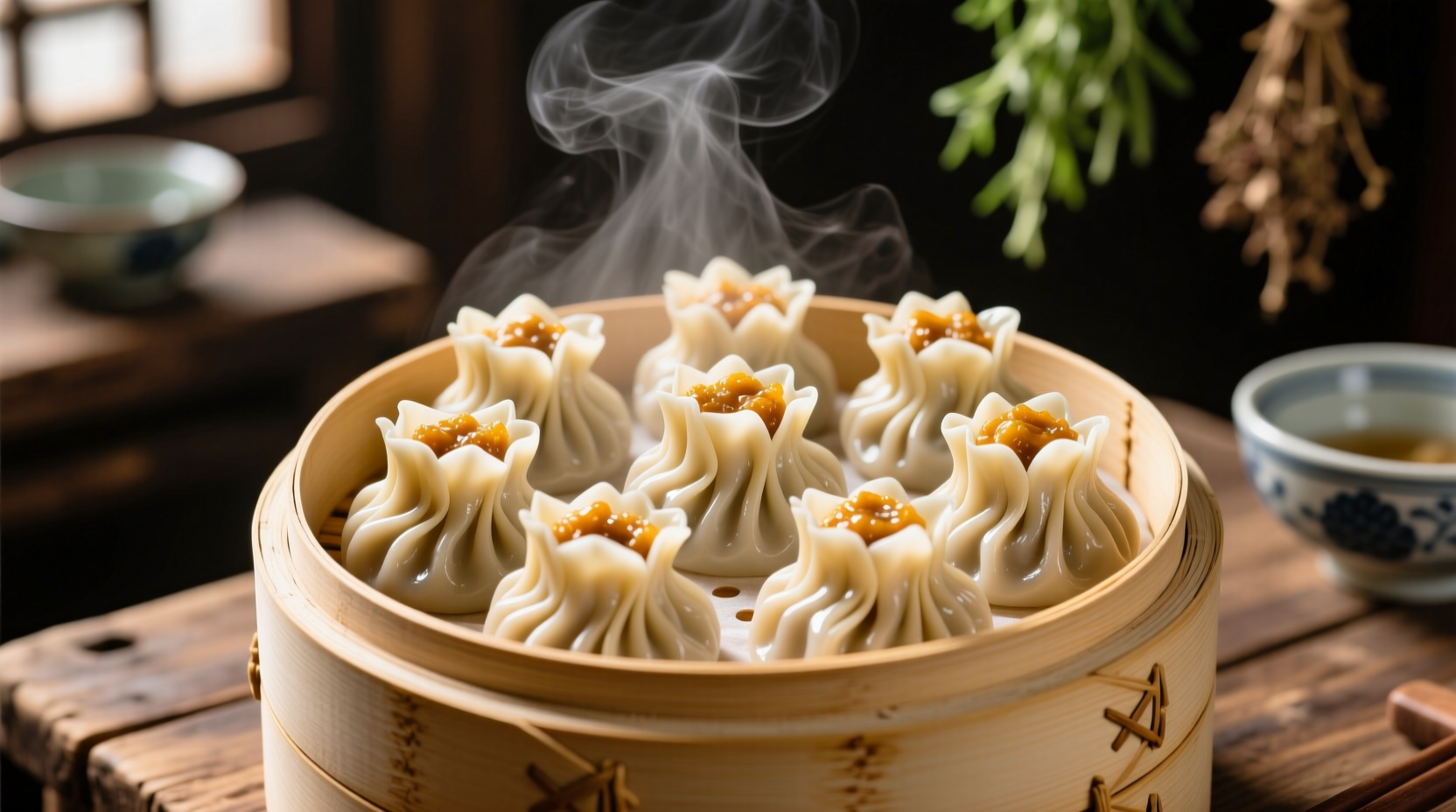
The Filling: Achieving Perfect Flavor Balance
Professional dumpling makers follow the "3 parts meat, 2 parts vegetable, 1 part liquid" ratio for optimal texture. Chef Liu Wei explains: "The cabbage must be salted and squeezed thoroughly - excess water is the #1 cause of burst dumplings during cooking."
Mix ingredients in this exact order for best results:
- Combine chicken, soy sauce, and Shaoxing wine - mix vigorously for 2 minutes to develop texture
- Add egg and continue mixing until fully incorporated
- Stir in ginger, green onions, sesame oil, and white pepper
- Fold in squeezed cabbage last to prevent moisture release
Refrigerate filling for 30 minutes before wrapping. This crucial step allows flavors to meld and firms up the mixture for easier handling.
Dough Preparation: From Scratch Wrappers
While store-bought wrappers work in a pinch, homemade dough creates superior texture. The ideal hydration ratio is 40% water-to-flour by weight - critical for pliable yet sturdy wrappers.
Step-by-step dough process:
- Mix flour and salt in bowl, gradually add water while stirring
- Knead 8-10 minutes until smooth and elastic (dough should spring back when pressed)
- Cover with damp towel and rest 30 minutes (gluten relaxation prevents shrinkage)
- Divide into 30 equal pieces, roll each into thin 3-inch circles
Keep unused dough covered - exposure to air causes drying and cracking. If using store-bought wrappers, lightly brush edges with water before sealing for better adhesion.
Pleating Techniques: Sealing for Success
Proper sealing prevents leaks during cooking. Start with these beginner-friendly methods before advancing to traditional pleats:
Basic fold-and-seal (best for beginners):
- Place 1 tbsp filling in center of wrapper
- Fold wrapper in half, pressing edges together
- Starting from center, pinch edges to create tight seal
- Work outward, ensuring no air pockets remain
Traditional crescent pleat (recommended):
- Place filling slightly off-center
- Fold wrapper over filling, pinch center closed
- Create 3-4 small pleats on one side toward center
- Press pleated side firmly against opposite edge
- Seal remaining edge with water
Common mistake: Overfilling wrappers. Aim for 1 tablespoon of filling per dumpling - more causes bursting. Underfilled dumplings lack flavor impact.
Cooking Methods Compared: Science-Backed Results
| Cooking Method | Time | Texture Result | Best For | Pro Tip |
|---|---|---|---|---|
| Pan-fried (Potstickers) | 10-12 min | Crispy bottom, tender top | Beginners | Add ¼ cup water after browning, cover immediately |
| Boiled | 6-8 min | Uniformly tender | Large batches | Use rolling boil, add dumplings in batches |
| Steamed | 10-12 min | Delicate, translucent | Fresh wrappers | Line steamer with cabbage leaves to prevent sticking |
The USDA Food Safety and Inspection Service confirms chicken must reach 165°F (74°C) internal temperature. Use an instant-read thermometer to verify doneness - visual cues alone aren't reliable.
Dipping Sauce Recipes: Three Authentic Options
No how to cook chicken dumplings guide is complete without proper dipping sauces. These traditional combinations enhance rather than overpower the delicate chicken flavor:
Classic Black Vinegar-Ginger Sauce:
Mix 3 tbsp Zhenjiang vinegar, 1 tbsp soy sauce, 1 tsp sesame oil, and 1 tbsp finely minced ginger. Let sit 15 minutes for flavors to meld.
Spicy Sichuan Variation:
Add 1 tsp chili oil and ¼ tsp Sichuan peppercorn powder to the classic recipe. The numbing ma la effect balances chicken's richness.
Quick 3-Ingredient Alternative:
Combine equal parts soy sauce, rice vinegar, and chili crisp for instant restaurant-quality dipping sauce.
Troubleshooting Common Problems
Even experienced cooks encounter issues when learning how to cook chicken dumplings. Here's how to fix the most frequent problems:
Dumplings sticking to pan: Use proper heat control - medium heat for the first 2 minutes, then medium-low. Ensure adequate oil (1-2 tbsp for 10 dumplings) and don't move dumplings until golden brown.
Soggy bottoms: After adding water for steaming phase, cook uncovered for the last 2 minutes to evaporate excess moisture. This critical step creates the signature crispy bottom.
Burst dumplings: Check filling temperature - cold filling prevents premature cooking of wrapper edges. Also verify you're not overfilling (maximum 1 tbsp per dumpling).
Storage tips: Freeze uncooked dumplings on parchment-lined tray for 1 hour, then transfer to airtight container. Cook from frozen - add 2-3 minutes to cooking time. Properly stored, they keep for 3 months.
Historical Context: Dumplings Through Chinese History
Dumplings evolved significantly across Chinese dynasties. During the Eastern Han period (25-220 AD), they were medicinal parcels filled with herbs. The Song Dynasty (960-1279) saw the development of pleating techniques we use today. By the Ming Dynasty (1368-1644), regional variations emerged - northern styles favored meat fillings while southern versions incorporated more seafood.
This culinary evolution explains why proper technique matters: each pleat and fold represents centuries of refinement. Modern food science confirms these traditional methods optimize heat transfer and moisture retention during cooking.




 浙公网安备
33010002000092号
浙公网安备
33010002000092号 浙B2-20120091-4