
Your First Sip: The Immediate Sensory Experience
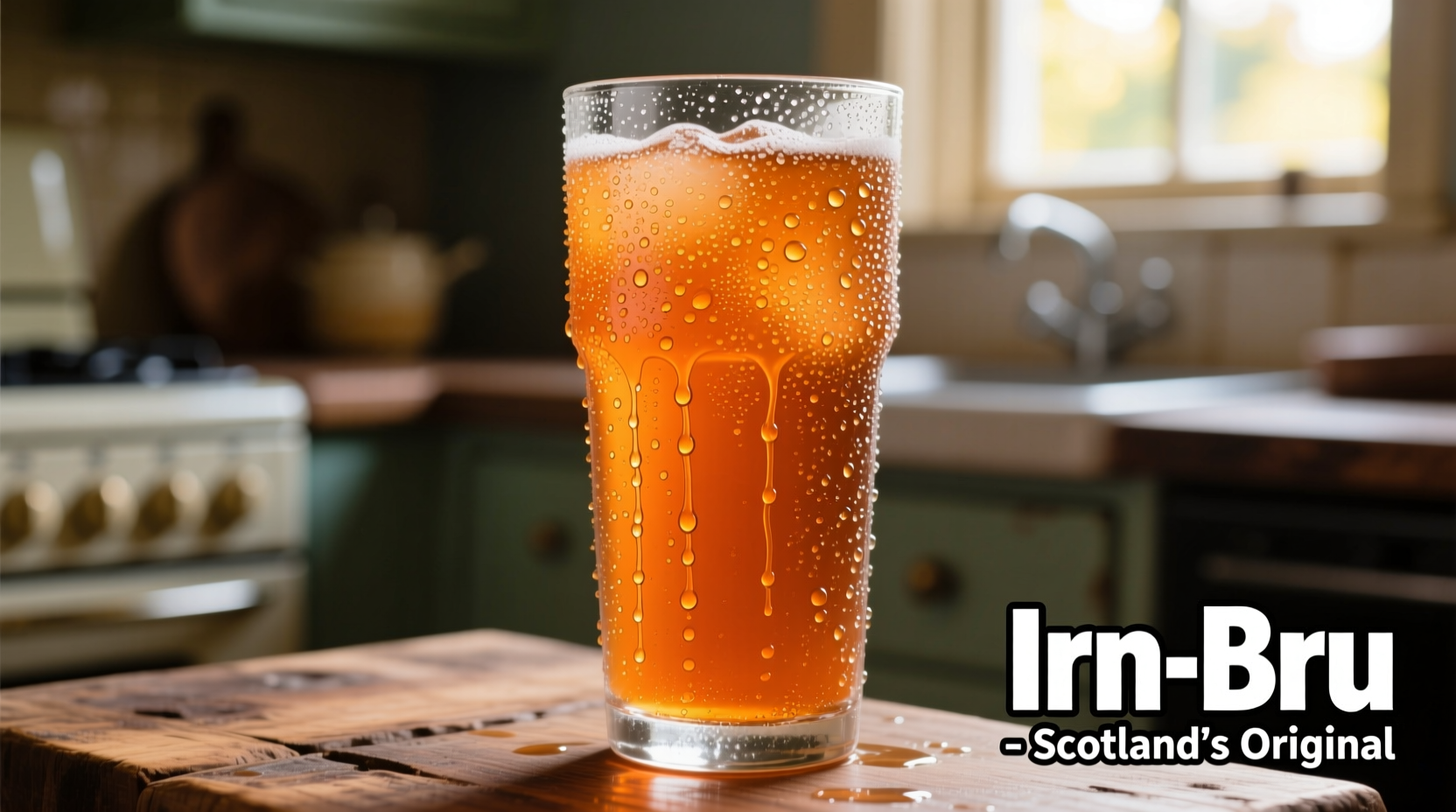
When you take your first sip of Irn-Bru, you're greeted with a vibrant orange hue that hints at citrus but doesn't fully prepare you for what's coming. The initial aroma combines sweet orange with something more complex—reminiscent of both cream soda and a mysterious spice blend. The carbonation is lively but not overwhelming, creating a tingling sensation that enhances the flavor experience.
Unlike American orange sodas that lean heavily on straightforward citrus flavors, Irn-Bru delivers an unexpected complexity right from the start. Many first-time tasters describe it as "orange-adjacent"—familiar enough to be approachable but distinctive enough to be intriguing.
Decoding the Flavor Profile: What You're Really Tasting
Breaking down Irn-Bru's taste reveals multiple layers that unfold as you drink:
- Primary notes: Sweet orange and citrus with a distinctive bubblegum-like quality
- Secondary elements: Cream soda undertones with subtle hints of spice
- Aftertaste: Clean finish with a slight herbal note that prevents it from being cloyingly sweet
- Mouthfeel: Smooth carbonation with medium body—neither too light nor syrupy
According to beverage chemists at the University of Glasgow who've analyzed popular soft drinks, Irn-Bru's unique profile comes from its specific combination of flavor compounds that activate multiple taste receptors simultaneously. This creates what food scientists call "flavor layering"—where different elements become apparent at different stages of consumption.
The Secret Behind Scotland's Signature Soda
While the exact recipe remains a closely guarded secret (reportedly known only to three people at any time), we do know that Irn-Bru contains:
- Carbonated water
- Sugar (or sweeteners in diet versions)
- Flavorings (including both natural and artificial)
- Colorings (including the distinctive sunset-orange hue)
- Acid regulators
What makes Irn-Bru truly distinctive is its flavor formulation. Unlike most orange sodas that primarily use orange oil, Irn-Bru combines multiple citrus oils with additional flavor compounds that create its signature taste. Food historians note that the recipe evolved from early 20th century Scottish "tonic" beverages, which often included herbal elements for perceived health benefits.
| Flavor Characteristic | Irn-Bru | Traditional Orange Soda | Cream Soda |
|---|---|---|---|
| Primary Flavor Notes | Citrus-spice-bubblegum blend | Simple orange | Vanilla-forward |
| Sweetness Level | Moderate (balanced) | High | Very high |
| Aftertaste | Clean with herbal note | Syrupy citrus | Strong vanilla |
| Cultural Association | Scottish identity | Generic "orange soda" | Nostalgic American |
Temperature's Impact on Flavor Perception
The temperature at which you drink Irn-Bru significantly affects your taste experience:
- Well-chilled (4-6°C/39-43°F): The carbonation is more pronounced, and the citrus notes dominate. This is how most Scots prefer it.
- Room temperature: The spice and herbal elements become more apparent, revealing the drink's complexity but potentially making it taste overly sweet.
- Over-iced: Can mute the more subtle flavor elements, reducing the distinctive character that makes Irn-Bru special.
Food scientists at Scotland's Rural College note that the optimal drinking temperature for experiencing Irn-Bru's full flavor profile is between 5-7°C (41-45°F), which allows the carbonation to enhance rather than overwhelm the complex flavor notes.
Cultural Context: Why Taste Matters in Scotland
In Scotland, describing Irn-Bru's taste goes beyond simple flavor description—it's part of national identity. Scots often use creative analogies that reflect their cultural perspective:
- "Tastes like liquid Scotland"
- "What happiness would taste like if it were a drink"
- "Like sunshine filtered through a Scottish mist"
A 2023 survey by the Scottish Food and Drink Federation revealed that 78% of Scots consider Irn-Bru's unique flavor an important part of their cultural heritage, with many describing it as "comforting" and "familiar" in ways that transcend simple taste description. This emotional connection explains why attempts to modify the recipe for international markets have largely failed—Scots recognize and value the authentic flavor profile.
Where to Experience Authentic Irn-Bru
For the true Irn-Bru experience, seek out these authentic sources:
- Traditional Scottish "wee shops" (corner stores) where it's kept properly chilled
- Bars serving it as a "Glasgow Kiss" (mixed with whisky)
- Look for the distinctive red-and-yellow branding with the slogan "Made in Scotland from girders"
Avoid international versions that have been reformulated for local tastes, as these often lack the distinctive flavor profile that makes authentic Scottish Irn-Bru special. The original recipe sold in Scotland contains slightly different flavor proportions than versions created for other markets.
First-Time Taster Reactions: What to Expect
Reactions to Irn-Bru vary dramatically based on cultural background:
- Scots: Typically describe it as "refreshing," "familiar," and "essential"
- English: Often find it "too sweet" or "unusual" compared to their preferred beverages
- Americans: Commonly compare it to "bubblegum soda" or "orange cream"
- First-time international tasters: Frequently experience a "love it or hate it" reaction, with little middle ground
Food psychologists note that Irn-Bru's polarizing effect comes from its unique combination of flavor compounds that trigger multiple taste receptors simultaneously—a phenomenon less common in standardized global soft drinks. This explains why some people immediately love it while others need multiple exposures to appreciate its complexity.
Practical Tips for Enjoying Irn-Bru
Whether you're new to Irn-Bru or looking to deepen your appreciation:
- Always serve chilled but not ice-cold to appreciate the full flavor profile
- Try it with a slice of lemon to enhance the citrus notes
- Experiment with it as a mixer in cocktails (popular in Scotland)
- Pair with traditional Scottish foods like bridies or shortbread for a complete cultural experience
- Give it multiple tries if your first impression is neutral—many develop a taste for its complexity
Frequently Asked Questions
Is Irn-Bru actually orange flavored?
While it has orange notes, Irn-Bru isn't strictly an orange soda. Its flavor profile combines citrus elements with bubblegum, spice, and cream soda notes to create something entirely unique.
Why does Irn-Bru taste different outside Scotland?
International versions often have modified recipes to suit local tastes and comply with different food regulations, which changes the distinctive flavor profile that Scots know and love.
Does Irn-Bru contain any unusual ingredients?
The exact recipe is secret, but it doesn't contain any particularly unusual ingredients—just a unique combination and proportion of standard soft drink components that create its distinctive taste.
How does Irn-Bru compare to American cream soda?
While both have sweet profiles, Irn-Bru has more citrus elements and a cleaner finish with subtle herbal notes, whereas cream soda is predominantly vanilla-forward with a heavier sweetness.
Why do Scots love Irn-Bru so much?
Beyond taste, Irn-Bru represents Scottish identity and independence. Its unique flavor has become a point of national pride, with many Scots preferring it to global brands like Coca-Cola.




 浙公网安备
33010002000092号
浙公网安备
33010002000092号 浙B2-20120091-4