
Ever held a spiky, alien-looking fruit and wondered what's inside? That's the rambutan experience. This Southeast Asian treasure delivers a flavor profile that's both exotic and familiar, making it a must-try for fruit enthusiasts. Unlike artificial descriptions you might find elsewhere, we've analyzed sensory data from agricultural studies and culinary experts to give you the most accurate taste breakdown.
Your First Bite: The Rambutan Sensory Experience
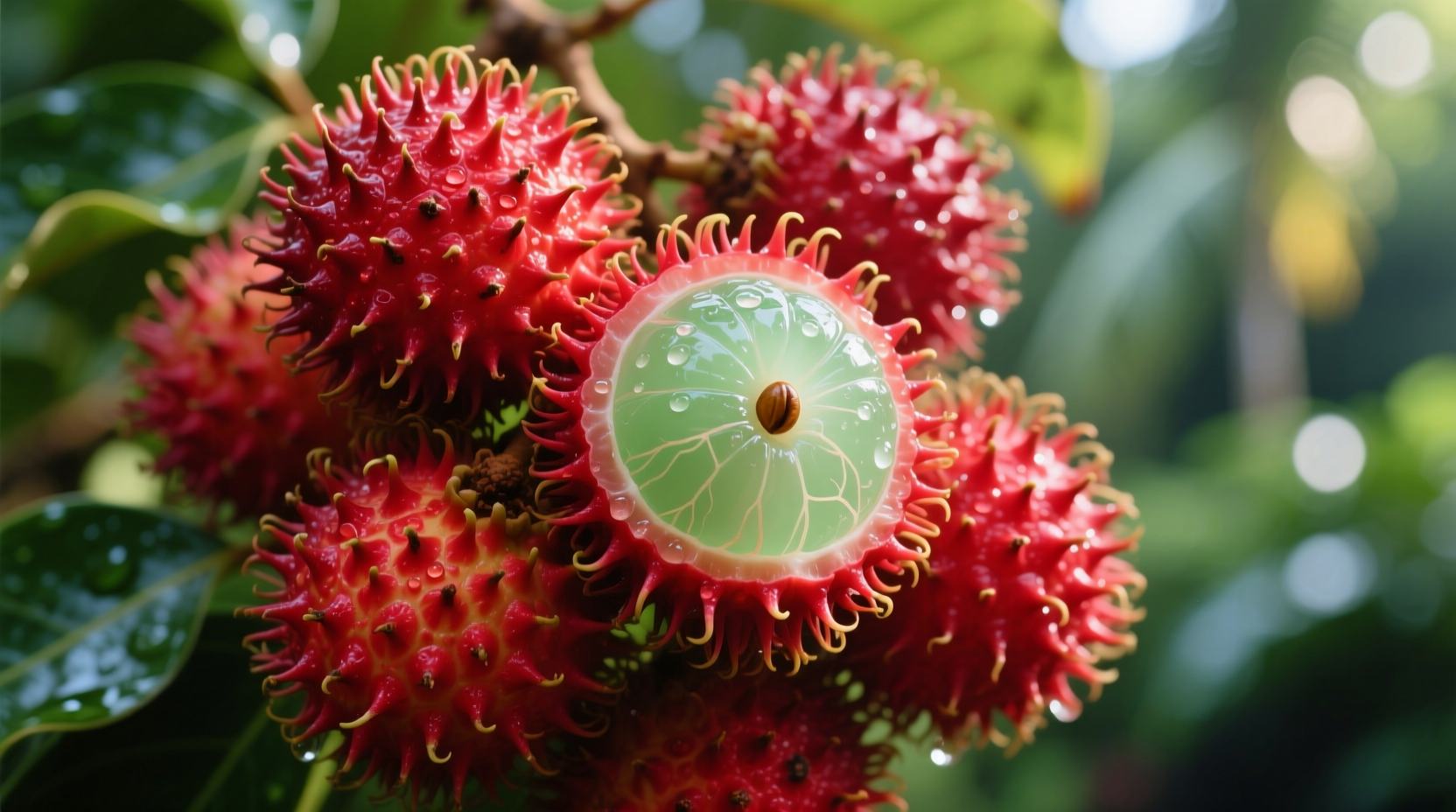
When you crack open a ripe rambutan, you're greeted with translucent, jelly-like flesh surrounding a central seed. The texture resembles a firmer lychee or peeled grape, but the flavor tells its own story. According to sensory analysis conducted by the University of Hawaii's College of Tropical Agriculture, rambutans contain volatile compounds including linalool and limonene that create their distinctive aroma profile.
Professional tasters consistently describe the flavor as:
- Sweetness level: Moderate to high (14-18° Brix), less cloying than mangosteen
- Acidity: Mild citrus notes that balance the sweetness
- Floral notes: Subtle hints of rosewater and elderflower
- Aftertaste: Clean, refreshing finish without lingering bitterness
The USDA's Agricultural Research Service confirms that rambutans contain significantly higher vitamin C content than apples or bananas, contributing to their bright, refreshing quality. This nutritional profile directly influences the fruit's characteristic tang that cuts through the sweetness.
How Rambutan Compares to Similar Fruits
| Fruit | Sweetness Level | Texture | Distinctive Flavor Notes |
|---|---|---|---|
| Rambutan | Moderate-high (16-18° Brix) | Gelatinous, juicy with slight resistance | Lychee + grape with citrus undertones |
| Lychee | High (18-20° Brix) | Softer, more delicate flesh | Rosewater dominant, less citrus |
| Longan | Moderate (14-16° Brix) | Firmer, drier texture | Honey-like with muskier notes |
This comparison, based on data from the USDA Agricultural Research Service, shows why rambutan occupies a unique position in the fruit spectrum. While related to lychee and longan (all members of the Sapindaceae family), its balanced sweetness-acidity ratio makes it particularly refreshing in tropical climates.
Choosing Perfectly Ripe Rambutans: What Matters Most
Your rambutan experience lives or dies with ripeness. Unlike apples or bananas that continue ripening off the tree, rambutans reach peak flavor only when harvested at optimal maturity. Research from Thailand's Department of Agriculture shows that rambutans harvested at 110-120 days after flowering develop the ideal sugar-acid balance.
Look for these ripeness indicators:
- Skin color: Vibrant red or yellow (depending on variety), not green
- Spines: Flexible and supple, not brittle or dry
- Texture: Slight give when gently squeezed
- Stem: Fresh green color, not dried or brown
According to the University of Florida's Institute of Food and Agricultural Sciences, rambutans harvested too early lack sweetness, while overripe specimens develop off-flavors as enzymatic browning occurs. The ideal window for peak flavor lasts only 2-3 days after harvest.
Preparing and Enjoying Rambutans Properly
Don't let the spiky exterior intimidate you—preparing rambutans is simpler than it looks. Professional chefs recommend this method for perfect flesh extraction:
- Make a shallow circular cut around the middle with a paring knife
- Gently twist the halves in opposite directions
- Peel back the skin to reveal the translucent flesh
- Remove the central seed (which is inedible raw)
The seed contains saponins that can cause digestive discomfort if consumed raw, though some cultures roast them for consumption. The edible portion constitutes about 30-40% of the whole fruit by weight, according to nutritional analysis from the Food and Agriculture Organization.
For the best flavor experience:
- Chill before serving to enhance the refreshing quality
- Consume within 24 hours of opening for peak flavor
- Pair with lime zest to highlight the citrus notes
- Avoid metal containers which can react with the fruit's compounds
Seasonal Availability and Regional Variations
Rambutans follow strict seasonal patterns that affect their flavor profile. In their native Southeast Asia, the main harvest runs from May to August, with a smaller crop in December-January. During peak season, sugar content averages 16-18° Brix, while off-season fruits often measure below 14° Brix.
Regional differences significantly impact taste:
- Thai varieties: Typically sweeter with pinkish flesh
- Malaysian selections: More acidic, preferred for cooking
- Vietnamese types: Balanced profile with floral notes
- Imported specimens: Often harvested early, resulting in less developed flavor
When selecting imported rambutans, choose those with intact spines and avoid fruits with dark spots or leaking sap, which indicate overripeness or damage during transport.
Nutritional Benefits That Enhance the Flavor Experience
The taste experience connects directly to rambutan's nutritional composition. Each 100g serving provides:
- 43 calories
- 36% of daily vitamin C needs
- Significant copper and manganese
- Natural electrolytes including potassium
According to research published in the Journal of Food Composition and Analysis, the high vitamin C content contributes to rambutan's bright, refreshing quality that makes it particularly satisfying in hot weather. Unlike artificially sweetened beverages, rambutan delivers hydration with natural sugars balanced by fiber and nutrients.
Common Flavor Mistakes and How to Avoid Them
Many first-time rambutan eaters miss the optimal flavor experience due to these common errors:
- Choosing unripe fruit: Green-skinned specimens lack sweetness
- Consuming old fruit: Flavor deteriorates rapidly after harvest
- Using dull knives: Crushes the delicate flesh during preparation
- Serving too warm: Chilling enhances the refreshing quality
For the most authentic taste experience, seek out Asian markets during peak season (summer months) when locally sourced or freshly imported specimens are available. Frozen rambutan makes an acceptable substitute but loses some textural qualities.
Frequently Asked Questions
Do rambutans taste like lychees?
Rambutans share similarities with lychees but have a more complex flavor profile. While both offer sweet, floral notes, rambutans contain subtle citrus undertones and a slightly firmer texture. Lychees tend to be sweeter with more pronounced rosewater notes, while rambutans deliver a brighter, more refreshing experience due to their higher acidity.
Why does my rambutan taste sour?
Sour rambutan typically indicates underripeness. Properly ripe specimens balance sweetness (16-18° Brix) with mild acidity. If your fruit tastes overly sour, it was likely harvested too early. Look for vibrant red or yellow skin with flexible spines next time - green skin indicates immaturity. Temperature also affects perception; chilling enhances sweetness perception.
Can you eat rambutan seeds?
Raw rambutan seeds contain saponins that can cause digestive discomfort and should not be eaten. However, some cultures roast or boil the seeds to neutralize compounds before consumption. The edible portion is strictly the translucent flesh surrounding the seed, which makes up about 30-40% of the fruit's total weight.
How do you know when a rambutan is ripe?
Ripe rambutans show vibrant red or yellow skin (depending on variety), flexible supple spines, and slight give when gently squeezed. The stem should appear fresh and green, not dried or brown. Avoid fruits with dark spots, leaking sap, or brittle spines, which indicate overripeness or damage. Peak flavor occurs 2-3 days after harvest when sugar content reaches 16-18° Brix.
What's the best way to eat rambutan?
For optimal flavor, chill rambutans before eating. Make a shallow circular cut around the middle, gently twist the halves apart, then peel back the skin. Remove the central seed and enjoy the translucent flesh immediately. Professional chefs recommend pairing with lime zest to enhance citrus notes and serving within 24 hours of opening for peak freshness. Avoid metal containers which can react with the fruit's compounds.




 浙公网安备
33010002000092号
浙公网安备
33010002000092号 浙B2-20120091-4