
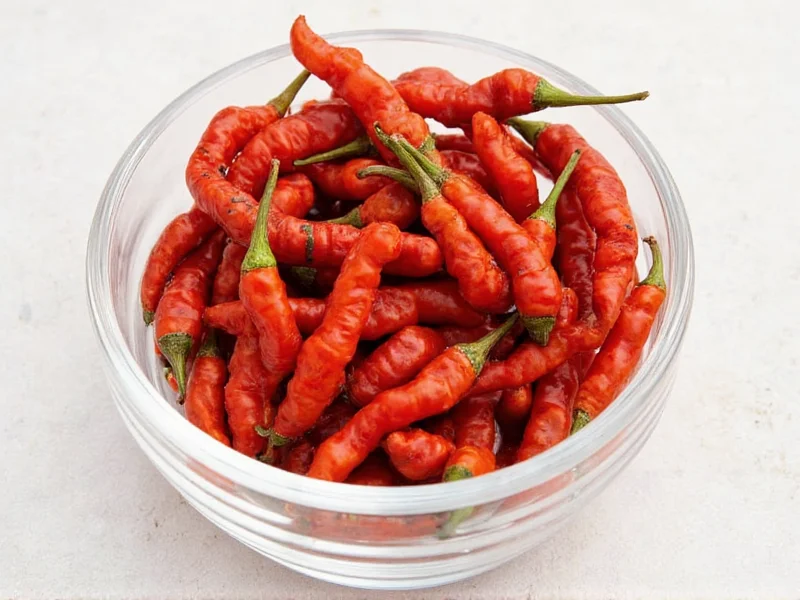
When your recipe calls for Aleppo pepper but your spice rack comes up short, knowing the right substitute can save your Middle Eastern or Mediterranean dish. This distinctive Syrian/Mediterranean chili offers a unique combination of mild heat (about half the spiciness of cayenne), subtle fruitiness, and a slight saltiness from the traditional curing process. Understanding what makes Aleppo pepper special helps you choose the best replacement based on what you have available and the specific dish you're preparing.
Understanding Aleppo Pepper's Unique Profile
Aleppo pepper (also called Halaby pepper) originates from Syria and Turkey, featuring medium heat (10,000-15,000 Scoville units), a wine-red color, and a complex flavor profile with hints of dried fruit and moderate saltiness. Unlike many chili powders, it's not just about heat—it's the balance of warmth, fruitiness, and subtle salinity that makes it challenging to replace perfectly. When searching for what can I substitute for Aleppo pepper in your favorite recipes, focus on matching these three elements rather than just the heat level.
Top 4 Aleppo Pepper Substitutes Ranked
Not all alternatives work equally well in every situation. Here's how the most common substitutes compare for replacing Aleppo pepper in Mediterranean recipes:
| Substitute | Heat Level | Flavor Match | Best For | Substitution Ratio |
|---|---|---|---|---|
| Urfa biber | Medium | ★★★★☆ | Grilling, stews, dips | 1:1 |
| Crushed red pepper + salt | Medium-High | ★★★☆☆ | Pizza, pasta, roasted vegetables | 1 tsp flakes + 1/8 tsp salt per tsp |
| Sweet paprika + cayenne | Adjustable | ★★★☆☆ | Most applications | 3:1 ratio (3 parts paprika to 1 part cayenne) |
| Smoked paprika | Low-Medium | ★★☆☆☆ | Recipes where smoke enhances flavor | 1:1 (add cayenne for heat) |
Detailed Substitute Analysis
1. Crushed Red Pepper Flakes with Salt (Most Accessible Option)
This common Aleppo pepper replacement works because standard red pepper flakes provide similar heat, while the added salt mimics Aleppo's characteristic salinity. The main difference is that red pepper flakes lack the fruity notes, so this substitute works best in dishes with other flavorful components. For the most accurate substitute for Aleppo pepper in pizza seasoning, use this combination but reduce additional salt in your recipe by about 25%.
2. Paprika and Cayenne Blend (Most Versatile)
A mix of sweet paprika and cayenne gives you control over both flavor and heat. This homemade Aleppo pepper substitute allows customization—add more cayenne for extra heat or more paprika for milder applications. For recipes requiring the distinctive Aleppo pepper flavor profile, this blend provides the most balanced alternative when Urfa biber isn't available. Remember that Hungarian paprika offers the best fruitiness for this substitution.
3. Urfa Biber (Closest Flavor Match)
Hailing from Turkey, Urfa biber shares Aleppo pepper's moderate heat level and complex flavor profile, with similar smoky, raisin-like notes. While slightly smokier than Aleppo pepper, it's the closest match available. If you frequently cook Middle Eastern cuisine, keeping Urfa biber on hand provides the most seamless substitute for Aleppo pepper in Mediterranean cooking. Use it at a 1:1 ratio without additional adjustments.
4. Smoked Paprika (For Specific Applications)
While not identical, smoked paprika can work in certain recipes where the smokiness complements other ingredients. Add a pinch of cayenne for heat adjustment. This mild chili substitute for Aleppo pepper works particularly well in tomato-based sauces, roasted vegetables, or bean dishes where the smokiness enhances rather than competes with other flavors.
Substitution Tips for Perfect Results
When implementing your Aleppo pepper alternative, consider these professional tips:
- Adjust gradually: Start with 75% of the recommended substitution amount, then taste and adjust
- Consider the dish: For delicate sauces, use milder substitutes; for robust stews, bolder options work better
- Account for salt: Many substitutes require salt adjustment in your overall recipe
- Bloom spices: For oil-based dishes, briefly cook your substitute in oil to enhance flavor development
- Finish with fresh herbs: When using less complex substitutes, a touch of fresh mint or oregano can help approximate Aleppo's fruitiness
Common Substitution Mistakes to Avoid
Many home cooks make these errors when seeking what spice is similar to Aleppo pepper:
- Using straight cayenne pepper (too hot, lacks complexity)
- Ignoring the salt component (Aleppo pepper is traditionally salted during processing)
- Not adjusting for different heat levels (Aleppo is milder than most assume)
- Using chili powder blends with additional spices (like cumin or garlic) that alter the dish's flavor profile
When to Seek Specialty Alternatives
For authentic Middle Eastern cooking, consider these specialty options if you frequently need an Aleppo pepper replacement for Mediterranean cooking:
- Maraş pepper: Turkish pepper with similar heat and fruitiness
- Kirmizi biber: Another Turkish pepper with comparable flavor profile
- Homemade version: Blend dried Turkish peppers with a touch of olive oil and salt




 浙公网安备
33010002000092号
浙公网安备
33010002000092号 浙B2-20120091-4