
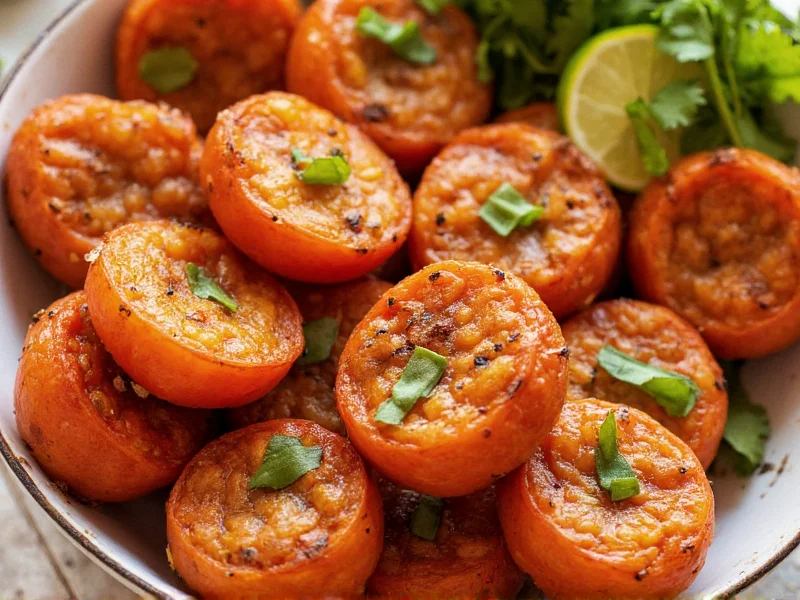
Understanding how to properly balance garlic's distinctive aroma with varying heat levels transforms ordinary meals into extraordinary culinary experiences. This guide explores the science, techniques, and cultural applications of this dynamic flavor pairing that has stood the test of time across continents.
The Science Behind Garlic and Spice Synergy
When garlic meets heat, a fascinating chemical interaction occurs. Allicin, the compound responsible for garlic's pungency, interacts with capsaicin (the heat compound in chili peppers) to create a flavor experience greater than the sum of its parts. Raw garlic provides sharp, almost metallic notes that mellow beautifully when cooked with spicy elements. The key to success lies in understanding when to add each component during cooking.
Garlic's flavor profile changes dramatically based on preparation method. Crushing releases more allicin than slicing, creating a stronger punch that can stand up to intense heat. For delicate spice profiles, minced garlic added late in cooking preserves its bright character. When working with extremely hot peppers like habaneros or ghost peppers, roasting garlic first creates a sweeter base that balances aggressive heat.
Global Culinary Applications
From Sichuan cuisine's famous "mala" (numbing spicy) profile to Mexico's adobos and Italy's arrabbiata sauces, garlic and spice form the backbone of countless traditional dishes. Thai cuisine expertly combines fresh garlic with bird's eye chilies in dishes like Pad Kra Pao, while Korean gochujang often includes garlic for depth. In the American South, garlic pepper seasoning remains a staple for everything from fried chicken to blackened fish.
Professional chefs emphasize that regional variations reflect careful adaptation to local ingredients and palates. The garlic-to-chili ratio in Hunan cooking differs significantly from that in Andhra Pradesh cuisine, demonstrating how this pairing evolves across cultures while maintaining its fundamental appeal.
Optimal Garlic and Spice Pairing Guide
Selecting the right garlic preparation method for your chosen heat source makes all the difference. Here's a professional reference for matching garlic forms with various spicy elements:
| Garlic Preparation | Best Spice Pairings | Ideal Cooking Applications | Flavor Development Time |
|---|---|---|---|
| Raw, finely minced | Fresh jalapeños, serranos | Salsas, salad dressings, finishing oils | Immediate, intensifies over 30 minutes |
| Sautéed gently | Crushed red pepper, cayenne | Pasta sauces, stir-fries, soups | 2-3 minutes in oil before adding other ingredients |
| Roasted whole cloves | Chipotle, smoked paprika | Marinades, braises, roasted vegetable dishes | 45-60 minutes at 375°F (190°C) |
| Black garlic | Ghost pepper powder, wasabi | Gourmet sauces, premium condiments | Instant umami boost with complex heat |
Mastering Heat Management Techniques
Professional cooks employ specific techniques to control the intensity of garlic spicy combinations. The sequence of adding ingredients dramatically affects the final flavor profile. For balanced heat, many chefs recommend:
- The oil infusion method: Gently heating garlic in oil before adding chilies extracts maximum flavor without burning
- Layering technique: Adding dried spices first, followed by fresh chilies, then garlic creates dimensional heat
- Acid balancing: A splash of vinegar or citrus after cooking mellow harsh edges while preserving vibrancy
Temperature control proves critical when working with garlic spicy combinations. Garlic burns at just 325°F (163°C), turning bitter and ruining the delicate balance with spicy elements. Always cook garlic over medium-low heat, especially when combined with sugar-containing ingredients that accelerate burning.
Storage and Preservation Methods
Preserving garlic spicy preparations requires understanding how each component degrades. Fresh garlic-chili mixtures maintain peak flavor for just 3-4 days refrigerated, while properly processed garlic chili oil can last 6-8 weeks. Freezing works exceptionally well for garlic spicy blends—simply portion into ice cube trays, then transfer to freezer bags for convenient use.
When preserving garlic in oil (a common base for spicy preparations), always follow food safety guidelines to prevent botulism risk. Acidify with vinegar (minimum 5% acidity), refrigerate, and use within 4 weeks. Never store homemade garlic oil at room temperature.
Troubleshooting Common Issues
Even experienced cooks encounter challenges with garlic spicy combinations. If your dish becomes too spicy, dairy products (milk, yogurt, cheese) provide immediate relief by binding with capsaicin. For excessive garlic flavor, a touch of sweetness (honey, sugar) or acid (lemon juice, vinegar) can restore balance. Burnt garlic requires starting over, as its bitter compounds permeate the entire dish.
Seasonal variations in garlic and chili peppers significantly impact results. Spring garlic tends milder than summer-harvested bulbs, while pepper heat varies by growing conditions. Always taste ingredients before cooking and adjust quantities accordingly—relying solely on recipe measurements often leads to inconsistent results with this dynamic flavor pairing.
Health Considerations
Both garlic and spicy foods offer documented health benefits when consumed in moderation. Garlic contains allicin with antimicrobial properties, while capsaicin in chili peppers may boost metabolism and provide pain relief. However, excessive consumption can cause digestive discomfort, especially for sensitive individuals. Those with GERD or ulcers should moderate their intake of garlic spicy combinations, as both components can trigger symptoms.




 浙公网安备
33010002000092号
浙公网安备
33010002000092号 浙B2-20120091-4