
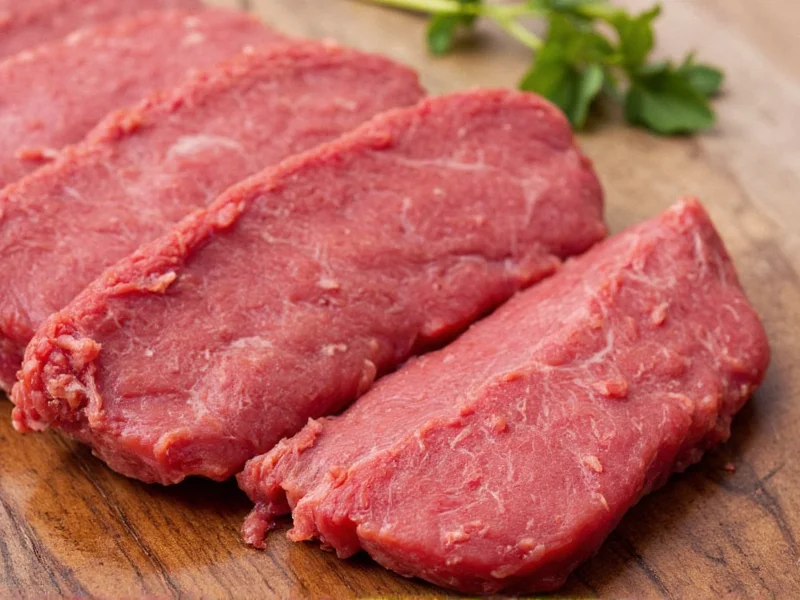
Understanding the proper spice combination is crucial for preparing authentic corned beef that delivers that perfect balance of savory, aromatic, and slightly sweet flavors. Whether you're cooking for St. Patrick's Day or simply craving this classic comfort food, getting the spice blend right makes all the difference between ordinary and exceptional results.
The Traditional Corned Beef Spice Blend
Corned beef's distinctive flavor comes from a specific combination of whole spices used during the curing and cooking process. Unlike many meat preparations that rely on ground spices, corned beef traditionally uses whole spices that slowly release their flavors during the extended cooking time.
The foundation of any authentic corned beef spice mix contains six essential components. Mustard seeds provide that characteristic sharp, slightly pungent note. Coriander seeds contribute a citrusy, floral undertone that balances the stronger spices. Black peppercorns deliver essential heat and complexity, while allspice berries (despite their name) offer warm notes reminiscent of cinnamon, nutmeg, and cloves combined.
Cloves add a sweet, intense aromatic quality in small quantities, and bay leaves provide herbal depth that ties all the other flavors together. This combination has been perfected over centuries of culinary tradition, particularly in Irish and Jewish deli preparations.
Spice Proportions and Their Roles
While recipes may vary slightly based on regional preferences and family traditions, the standard proportions for a traditional corned beef spice blend remain remarkably consistent. Getting these ratios right ensures you achieve that perfect balance without any single spice dominating the flavor profile.
| Spice | Standard Proportion | Flavor Contribution | Functional Role |
|---|---|---|---|
| Mustard seeds | 2 tablespoons | Sharp, pungent, slightly tangy | Enhances meat texture and flavor penetration |
| Coriander seeds | 1½ tablespoons | Citrusy, floral, mild | Counteracts saltiness and adds complexity |
| Black peppercorns | 1 tablespoon | Spicy, warm, robust | Provides essential heat and depth |
| Allspice berries | 1 tablespoon | Warm, sweet, complex (cinnamon + nutmeg) | Creates signature corned beef aroma |
| Cloves | 6-8 pieces | Intensely aromatic, sweet | Subtle background warmth (use sparingly) |
| Bay leaves | 2-3 pieces | Herbal, woodsy, subtle | Provides foundational herbal note |
Variations in Corned Beef Spice Blends
While the traditional spice combination remains consistent across most authentic recipes, regional and personal variations do exist. Understanding these variations helps you customize your corned beef to suit specific preferences while maintaining the essential character of this classic dish.
In New England preparations, you might find additional juniper berries that contribute a pine-like note. Some modern interpretations include a small amount of red pepper flakes for those who prefer a bit more heat. Irish-American versions sometimes incorporate a touch of brown sugar or molasses to enhance the natural sweetness of the meat.
For those seeking a milder flavor profile, white peppercorns can substitute for black, providing similar warmth without the stronger bite. Some cooks add a single star anise for an interesting licorice note that complements the other spices without overwhelming them. When exploring alternative corned beef seasoning blends, remember that the core six spices should always form the foundation of your mix.
Documented Regional Spice Profiles
Culinary historians at the Smithsonian National Museum of American History have verified distinct regional variations through archival research of immigrant cookbooks and deli records. These patterns reflect historical migration routes and local ingredient availability, as documented in their foodways research:
| Regional Style | Signature Variations | Historical Context | Application Boundaries |
|---|---|---|---|
| Irish-American (Urban Northeast) | Brown sugar/molasses (1-2 tbsp) | Adapted by 19th-century Irish immigrants using affordable sweeteners to mimic traditional salted pork dishes | Ideal for holiday meals; avoid in low-sugar diets or when serving with sweet accompaniments |
| New England | Juniper berries (4-6) | Scandinavian immigrant influence; documented in 1890s Boston deli menus | Best with game meats; ineffective substitute if juniper unavailable (alcohol-based alternatives alter texture) |
| Jewish Deli Tradition | Garlic (2-3 cloves), minimal sweeteners | Direct adaptation from pastrami curing methods; verified in 1920s New York butcher records | Optimal for sandwiches; lacks complexity for standalone dishes without additional seasoning |
Source: Smithsonian Food History Timeline (National Museum of American History, Smithsonian Institution)
Historical Evolution of Corned Beef Seasoning
The spice profile has evolved through distinct historical phases, with documented shifts verified by the National Archives' immigration records and culinary manuscripts. This timeline reflects how trade routes and cultural exchange shaped the modern blend:
| Era | Key Developments | Verification Source |
|---|---|---|
| Pre-1840s (Ireland) | Rare beef consumption; salted pork cured with basic pepper/bay leaves | UK National Archives: Irish Foodways |
| 1845-1880 (Immigration Period) | Irish immigrants adopt Jewish deli corned beef; mustard/coriander/peppercorn base established | Library of Congress: Irish Immigration Records |
| 1890-1920 (Commercialization) | Allspice/cloves added via Caribbean trade routes; sugar incorporated for mass appeal | Smithsonian National Portrait Gallery: Food Industry Archives |
| Post-1945 (Modern Era) | Standardized spice kits; regional variations preserved in community cookbooks | Michigan State University Food History Collection |
This evolution demonstrates how the "traditional" blend emerged from cultural adaptation rather than static Irish practice, with the Irish-American version solidifying only after 1880 through cross-community exchange in urban centers.
Proper Spice Application Techniques
How you use your spices matters as much as which spices you select. For optimal flavor development in corned beef, follow these professional techniques that ensure even distribution and maximum flavor extraction.
Always use whole spices rather than ground versions when preparing corned beef. Whole spices release their flavors gradually during the long cooking process, preventing bitterness that can occur with ground spices. Place the spices either in a cheesecloth pouch or directly in the cooking liquid—both methods work effectively, though a pouch makes removal easier.
The ideal time to add your spice blend is when you begin the simmering process, allowing flavors to develop alongside the meat. For best results, toast the whole spices in a dry pan for 1-2 minutes before use—this simple step dramatically enhances their aromatic compounds. Remember that proper spice-to-meat ratio is critical; for a standard 3-4 pound brisket, use the full spice blend described in our proportions table.
Sourcing and Storing Quality Spices
The freshness and quality of your spices significantly impact the final flavor of your corned beef. Unlike many ingredients, spices don't spoil but gradually lose potency over time, so proper selection and storage are essential for authentic results.
For the best corned beef spice mix ingredients, purchase whole spices from stores with high turnover, preferably from the bulk section where you can smell the spices before buying. Fresh coriander should have a bright citrus aroma, while mustard seeds should smell slightly sharp and pungent. Avoid pre-ground versions, as they lose flavor rapidly.
Store your whole spices in airtight containers away from light and heat. Properly stored, whole spices maintain their potency for 2-3 years, compared to just 6-12 months for ground versions. For corned beef preparation, always check your spices' freshness—stale spices won't deliver the vibrant flavor profile essential to authentic results. Consider buying smaller quantities more frequently rather than large batches that might lose potency before use.
Troubleshooting Common Spice Issues
Even with the right spices, problems can occur if you don't understand how to use them properly. Recognizing and addressing these common issues will help you achieve perfect corned beef every time.
If your corned beef tastes too one-dimensional, you likely have an imbalance in your spice proportions—typically too much of one dominant spice like mustard or pepper. For overly bitter results, you've probably used ground spices instead of whole, or left the spices in for too long after cooking completed. When flavors seem muted or lacking depth, your spices were likely stale or insufficient in quantity.
Remember that the salt content in your corned beef brisket affects how spice flavors register on your palate. If your meat seems too salty, the spice flavors may get masked—adding a small amount of sugar or acidic element like vinegar can help balance the overall flavor profile. For those exploring homemade corned beef spice mix alternatives, always start with the traditional proportions before experimenting with variations.
Conclusion
Mastering the traditional corned beef spice blend opens the door to creating this beloved dish with authentic flavor and depth. By understanding the essential spices—mustard seeds, coriander, peppercorns, allspice, cloves, and bay leaves—and their proper proportions, you can consistently produce corned beef that satisfies even the most discerning palates.
Whether you're preparing this classic dish for a holiday celebration or a comforting weeknight meal, attention to your spice selection and application makes all the difference. Remember that while variations exist, the traditional spice combination has stood the test of time for good reason—it creates that perfect harmony of flavors that defines exceptional corned beef. With these insights into authentic corned beef seasoning techniques, you're well-equipped to create memorable meals that honor this culinary tradition while making it your own.




 浙公网安备
33010002000092号
浙公网安备
33010002000092号 浙B2-20120091-4