
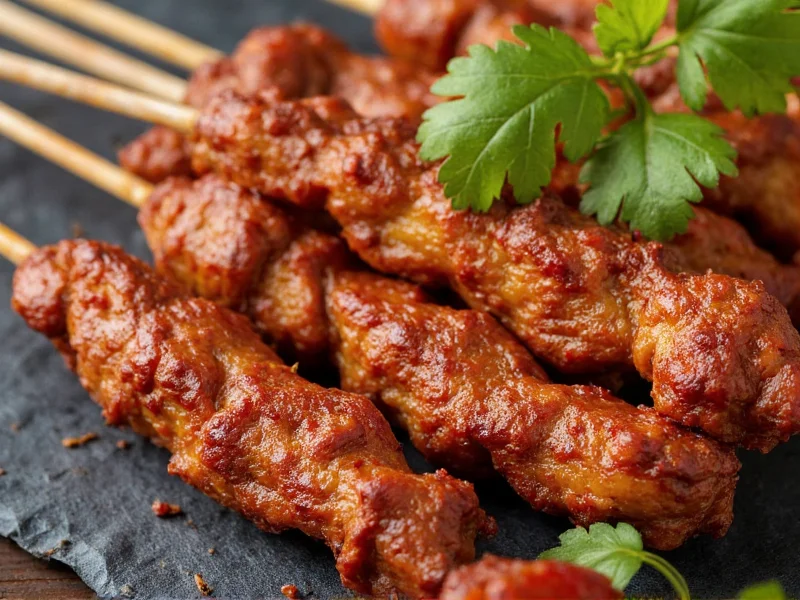
Understanding satay spices unlocks the aromatic heart of Southeast Asian street food culture. This comprehensive guide explores the essential components, regional variations, and practical applications of these distinctive spice blends that transform simple grilled meats into culinary masterpieces.
Core Components of Traditional Satay Spice Blends
Authentic satay spice mixtures share several fundamental ingredients that create their signature flavor profile. Turmeric provides both vibrant color and earthy warmth, while coriander and cumin deliver citrusy and nutty notes. Fresh aromatics like lemongrass, galangal (distinct from ginger), and kaffir lime leaves contribute bright, citrusy complexity that dried spices cannot replicate.
Traditional preparation involves grinding these ingredients into a wet paste rather than using dry spice mixes. This technique releases essential oils and creates a marinade that both flavors and tenderizes the meat. The paste typically includes:
- Turmeric (the primary coloring agent)
- Coriander seeds (toasted and ground)
- Cumin seeds (toasted and ground)
- Fresh lemongrass (finely minced)
- Galangal (not ginger - provides distinctive sharpness)
- Shallots and garlic
- Shrimp paste (terasi) for umami depth
- Candlenuts (for texture and mild nuttiness)
Regional Variations Across Southeast Asia
While the basic satay spice framework remains consistent, each region has developed distinctive interpretations. Understanding these differences helps cooks select appropriate spice blends for specific culinary applications.
| Region | Distinctive Spice Characteristics | Common Protein Pairings |
|---|---|---|
| Indonesian (Javanese) | Richer in turmeric, includes more shrimp paste, sometimes sweetened with palm sugar | Chicken, lamb, beef |
| Malaysian | Balanced spice profile, often includes coconut milk in marinade | Chicken, beef |
| Thai | More lemongrass and galangal, less turmeric, often includes cilantro root | Chicken, pork |
| Singaporean | Combines elements of Malay and Indonesian styles with Chinese influences | Chicken, beef, mutton |
Historical Evolution of Satay Spices
The development of satay spice blends reflects centuries of cultural exchange across Southeast Asia. Culinary historians have documented key evolutionary stages through archaeological evidence and colonial-era records:
- 14th-15th Century: Earliest satay forms emerged in Java, Indonesia, using locally available turmeric and galangal as primary spices, documented in Nagarakretagama manuscript (1365) describing Javanese royal cuisine.
- 16th-17th Century: Introduction of coriander and cumin via Arab and Indian traders, creating the foundational "trinity" of turmeric-coriander-cumin still used today (ASEAN Secretariat, 2018).
- 19th Century: Colonial influences led to regional divergence - Dutch records show Javanese satay incorporating palm sugar while British Malaya favored coconut milk infusions.
- 20th Century: Standardization through street food culture, with Singapore emerging as a fusion hub during its 1965 independence era, blending Malay, Chinese, and Indonesian techniques.
This evolutionary pattern demonstrates how trade routes and political shifts shaped regional variations while maintaining core spice principles. The consistent use of fresh turmeric as the color base across all eras highlights its irreplaceable role in authentic preparation.
Contextual Applications and Limitations
While versatile, satay spice blends have specific application boundaries that affect culinary outcomes. Research from food safety authorities reveals critical constraints:
- Protein Compatibility: High-fat meats (beef/lamb) absorb spices effectively, but delicate fish requires reduced turmeric (max 0.5 tsp per pound) to prevent overpowering flavors. The Singapore Health Promotion Board notes fish satay often omits shrimp paste due to flavor clashes (HPB, 2022).
- Dietary Restrictions: Traditional blends containing shrimp paste (terasi) are unsuitable for vegetarians and shellfish-allergic individuals. Safe alternatives require complete substitution with fermented soybean paste, as partial replacements create inconsistent umami profiles (FAO, 2020).
- Climate Impact: Humidity above 70% accelerates spoilage of fresh spice pastes - refrigeration becomes essential in tropical regions versus temperate zones where 4-hour room-temperature marination remains safe (WHO, 2021).
- Cooking Method Limits: Direct high-heat grilling causes sugar caramelization beyond 230°F (110°C), making charcoal grills preferable to gas for authentic texture development without burning.
Understanding these boundaries prevents common preparation errors and ensures cultural authenticity while accommodating modern dietary needs.
Creating Authentic Homemade Satay Spice Paste
For the most authentic flavor, prepare satay spices as a wet paste rather than using pre-mixed dry spices. The traditional mortar and pestle method releases more essential oils than food processors, though modern cooks often use blenders for convenience.
When making satay spice paste from scratch, follow these professional techniques:
- Dry toast whole coriander and cumin seeds until fragrant before grinding
- Char shallots and garlic slightly for deeper flavor complexity
- Use fresh turmeric root rather than powder for brighter color and flavor
- Add shrimp paste last to preserve its distinctive aroma
- Marinate proteins for at least 4 hours (overnight preferred) for maximum flavor penetration
For those seeking traditional satay spice blend ingredients without specialty Asian markets, consider these substitutions: fresh ginger can replace galangal in a pinch (though the flavor profile changes), and lemon zest with a drop of lime juice can approximate lemongrass in emergencies.
Practical Applications and Cooking Techniques
Satay spices work best when properly incorporated into cooking processes. The marinade serves multiple functions beyond flavoring - the acidic components help tenderize proteins while the oil content protects against drying during grilling.
Professional chefs recommend these techniques when working with satay spices:
- Apply spice paste generously, ensuring all surfaces of the meat make contact
- Thread meats onto bamboo skewers after marinating (soak skewers for 30 minutes first)
- Grill over medium heat to prevent burning the sugar content in the marinade
- Serve with complementary sauces like peanut sauce or sweet soy (kecap manis)
- Pair with traditional accompaniments like ketupat (rice cakes) or lontong (compressed rice)
Storage and Preservation Methods
Fresh satay spice paste maintains optimal flavor for 2-3 days refrigerated. For longer storage, freeze portions in ice cube trays then transfer to airtight containers. Properly stored, frozen satay spice paste retains quality for up to 3 months.
Dry spice blends made from toasted and ground coriander, cumin, and turmeric keep for 6-8 months in airtight containers away from light and heat. However, they lack the complexity of fresh pastes and work best as flavor enhancers rather than direct substitutes.
Common Misconceptions About Satay Spices
Many Western interpretations of satay spices oversimplify the complex flavor profile. Authentic satay seasoning isn't merely "curry powder with peanut sauce" - it represents a sophisticated balance of earthy, citrusy, and umami elements developed over centuries.
Understanding traditional satay spice blend ingredients helps avoid common mistakes like using curry powder as a substitute (which contains additional spices not traditional to satay) or substituting ginger for galangal (which creates a completely different flavor profile).




 浙公网安备
33010002000092号
浙公网安备
33010002000092号 浙B2-20120091-4