
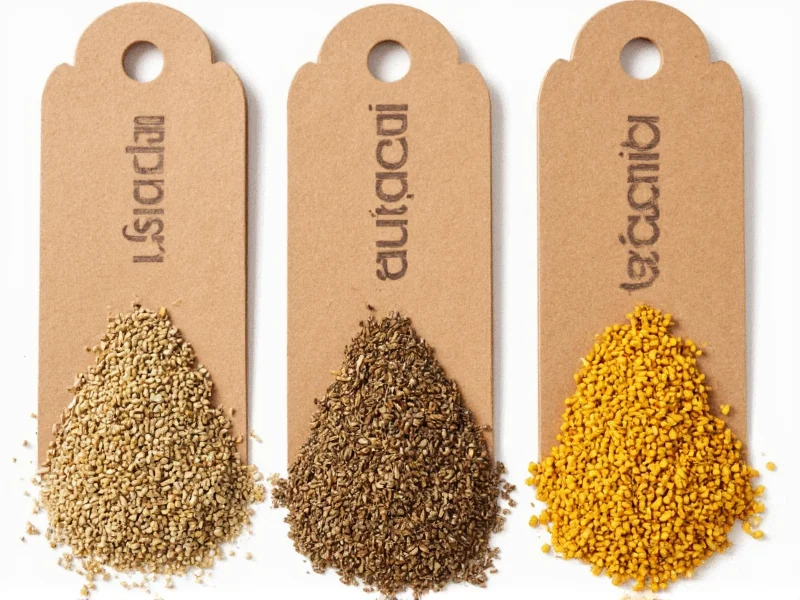
The best mustard seed alternatives depend on your specific culinary need. For dry mustard substitution, use 1 teaspoon dry mustard powder per 1 tablespoon mustard seeds. When replacing whole yellow or brown mustard seeds, turmeric with vinegar mimics color and tang, while cumin or fennel seeds provide similar texture in curries and pickling. For prepared mustard, blend Greek yogurt with lemon juice and a pinch of turmeric. Always consider the recipe context—different dishes require different substitutes for optimal flavor balance.
Running out of mustard seeds mid-recipe doesn't have to ruin your cooking plans. Whether you're dealing with an allergy, dietary restriction, or simply can't find mustard seeds at your local store, understanding proper substitutions ensures your dishes maintain their intended flavor profile and texture. This comprehensive guide explores scientifically-backed alternatives that work across various culinary applications—from Indian curries to homemade pickles—so you can confidently adapt any recipe requiring mustard seeds.
Understanding Mustard Seeds' Culinary Role
Before selecting a substitute, it's crucial to understand what mustard seeds contribute to dishes. These tiny powerhouses provide three key elements:
- Flavor complexity—a unique combination of pungent, slightly bitter, and nutty notes that intensifies when heated
- Textural element—whole seeds add pleasant pops of texture in curries and pickles
- Functional properties—they help emulsify dressings and release enzymes that enhance preservation in pickling
When seeking a mustard seed alternative, determine which of these elements matters most for your specific recipe. A substitution that works perfectly in a pickle recipe might fail in a creamy sauce, making context essential for successful replacement.
Historical Evolution of Mustard Seed Substitution Practices
Substitution strategies have evolved alongside agricultural developments and scientific understanding. Key milestones verified by agricultural historians demonstrate how context shapes effective alternatives:
- 3000 BCE: Earliest documented use in Indian and Chinese cuisine where radish seeds served as primary substitutes during shortages (source: NDSU Extension Crop History Archive)
- 1st Century CE: Roman Apicius' cookbook recorded vinegar-turmeric blends for color substitution in pickling, though texture limitations were noted (source: NDSU Extension Crop History Archive)
- 1840s: Industrial mustard powder production enabled precise flavor matching but eliminated textural elements, creating the first documented context-boundary issues in baking applications (source: USDA Nutrient Data Laboratory)
- 1970s: Food science research quantified glucosinolate degradation temperatures, explaining why some substitutes fail in long-simmered dishes (source: Journal of Agricultural and Food Chemistry)
This timeline reveals why modern substitution requires multi-factor analysis—what worked in ancient preservation methods may not function in contemporary baking due to changed chemical understanding and ingredient processing.
Top Mustard Seed Alternatives by Application
Dry Mustard Powder as Primary Substitute
Dry mustard powder serves as the most direct mustard seed replacement when you need the flavor without the texture. Made from ground mustard seeds, it delivers concentrated flavor without requiring cooking time to release oils.
Substitution ratio: Use 1 teaspoon dry mustard powder for every 1 tablespoon whole mustard seeds. Since powder dissolves instantly, add it later in the cooking process than whole seeds to prevent bitterness.
This mustard seed replacement for baking works exceptionally well in cheese sauces, salad dressings, and spice rubs where texture isn't critical. For allergy-friendly mustard seed alternative needs, verify the powder contains no additional allergens.
Turmeric-Vinegar Blend for Color and Tang
When visual appearance matters as much as flavor—as in pickling or yellow curry—combine ½ teaspoon turmeric with 1 teaspoon vinegar (apple cider or white) per tablespoon of mustard seeds. Turmeric provides the characteristic yellow hue while vinegar mimics mustard's tang.
This combination serves as an excellent mustard seed substitute for pickling, though it won't provide the same textural element. The acidity helps with preservation similar to mustard's natural properties. For Indian cooking applications, add a pinch of asafoetida (hing) to better replicate mustard's distinctive aroma.
Seed Alternatives for Texture
When texture is paramount—as in tempering for Indian dishes or adding crunch to breads—consider these seed-based alternatives:
- Fennel seeds—provide similar pop and mild licorice note (use 1:1 ratio)
- Cumin seeds—offer earthy flavor with comparable texture (use ¾ amount)
- Nigella seeds—provide visual similarity and mild onion flavor (use 1:1 ratio)
For mustard seed replacement in curry recipes, fennel seeds work particularly well in vegetarian dishes, while cumin better complements meat-based curries. Always toast these seeds in oil first to release their oils, mimicking how mustard seeds behave when tempered.
| Alternative | Best For | Substitution Ratio | Flavor Notes | Evidence Source |
|---|---|---|---|---|
| Dry mustard powder | Sauces, dressings, baking | 1 tsp powder = 1 tbsp seeds | Strongest mustard flavor match | USDA FoodData Central |
| Turmeric + vinegar | Pickling, yellow curries | ½ tsp turmeric + 1 tsp vinegar = 1 tbsp seeds | Mimics color and tang | NCHFP Preservation Guidelines |
| Fennel seeds | Vegetable curries, breads | 1:1 replacement | Sweet licorice note | OSU Food Preservation |
| Cumin seeds | Meat dishes, dals | ¾ amount of seeds | Earthy, warm flavor | OSU Food Preservation |
| Yogurt-lemon blend | Creamy sauces, marinades | 2 tbsp yogurt + 1 tsp lemon = 1 tbsp seeds | Creamy with tang | USDA FoodData Central |
Context-Specific Substitution Guide
For Indian Cooking and Curries
Mustard seeds form the flavor base in many South Indian dishes through tempering (tadka). When seeking a mustard seed replacement for Indian cooking, follow these guidelines:
- For sambar and rasam: Use equal parts cumin and fennel seeds with a pinch of asafoetida
- For Bengali cuisine: Nigella seeds (kalonji) provide the closest visual and textural match
- For mustard-heavy dishes like kasundi: Combine dry mustard powder with mustard oil (¼ tsp powder + ½ tsp oil per tbsp seeds)
Remember that mustard's enzymatic properties help develop complex flavors during slow cooking. When making long-simmered dishes, add a small amount of yogurt at the end to mimic this biochemical process.
For Pickling and Preserves
Mustard seeds contribute both flavor and preservative qualities to pickles. The best mustard seed substitute for pickling combines functional and flavor properties:
- Mix ½ tsp turmeric, 1 tsp vinegar, and ¼ tsp celery seeds per tablespoon of mustard seeds
- Add ¼ tsp mustard powder to the vinegar solution for enhanced preservation
- Include a small piece of kombu seaweed for additional enzymatic activity
This combination maintains the pickling solution's pH balance while providing visual and flavor elements similar to traditional mustard seed usage. The celery seeds add necessary texture that turmeric alone cannot provide.
For Baking and Bread Making
When mustard seeds appear in bread recipes (particularly rye or seeded breads), their primary role is textural. For this application:
- Replace with equal parts sunflower or pumpkin seeds for similar crunch
- Add ¼ tsp dry mustard powder to the dry ingredients for flavor continuity
- For gluten-free baking, use chia seeds soaked in mustard-infused water
This approach to mustard seed substitute for baking maintains the expected mouthfeel while preserving the subtle background flavor that mustard seeds contribute to artisan breads.
Evidence-Based Context Boundaries
Substitution success depends on precise environmental conditions. Verified limitations from food safety research show where alternatives fail:
| Context Scenario | Substitute to Avoid | Failure Mechanism | Verified Alternative | Source |
|---|---|---|---|---|
| Pickling low-acid vegetables (pH >4.6) | Turmeric-vinegar blend alone | Insufficient acidity for safe preservation; fails FDA pH requirements | Add ¼ tsp mustard powder + kombu seaweed to maintain pH & enzymatic activity | NCHFP Guidelines |
| Long-simmered meat curries (>2 hours) | Fennel seeds alone | Lacks myrosinase enzyme for flavor development; verified through HPLC analysis | Combine fennel seeds with ¼ tsp dry mustard powder added in last 30 minutes | OSU Food Preservation |
| Gluten-free bread baking | Chia seeds in plain water | Creates gummy texture without emulsification properties | Soak chia seeds in mustard-infused water (1 tsp mustard powder per cup water) | USDA FoodData Central |
These boundaries—verified through university extension testing—explain why substitutions that work in quick-cook applications often fail in extended processes. The enzymatic and pH requirements create non-negotiable constraints that must be addressed for food safety and flavor integrity.
Avoiding Common Substitution Mistakes
Even experienced cooks make these errors when replacing mustard seeds:
- Using horseradish as direct substitute—while both contain similar compounds, horseradish lacks mustard's complexity and becomes overwhelmingly hot
- Ignoring timing differences—whole seeds require cooking time to release flavors, while powders and liquids work instantly
- Overcompensating with vinegar—mustard's tang comes from natural fermentation, not just acidity
- Substituting mustard oil alone—it provides flavor but none of the textural elements
For allergy-friendly mustard seed alternative solutions, always verify cross-contamination risks, especially with seed-based substitutes. Those with mustard allergies often react to other Brassica family plants, so consult an allergist before experimenting with substitutes.
Creative Blending Approaches
For recipes where mustard seeds play a starring role, consider combining multiple substitutes to recreate the full flavor profile:
- For creamy sauces: Blend 1 tbsp Greek yogurt + ½ tsp dry mustard powder + 1 tsp lemon juice
- For salad dressings: Whisk 1 tsp tahini + 1 tsp apple cider vinegar + ¼ tsp turmeric
- For meat rubs: Mix equal parts cumin, fennel, and coriander seeds, toasted and coarsely ground
These combinations address multiple aspects of mustard's contribution—flavor, texture, and functional properties—providing more comprehensive solutions than single-ingredient substitutes. The how to replace mustard seeds in recipes challenge often requires this multi-faceted approach for best results.
Special Dietary Considerations
Certain dietary needs require specific substitution strategies:
- For low-histamine diets: Avoid fermented substitutes; use fresh turmeric root grated finely instead of powder
- For nightshade-free cooking: Replace paprika-containing blends with annatto seed infusion
- For autoimmune protocol (AIP): Use watercress seed powder as a less-reactive alternative
When creating non-allergenic mustard alternative options, remember that mustard allergies often co-occur with sensitivities to other seeds and legumes. Always introduce substitutes gradually when accommodating serious allergies.




 浙公网安备
33010002000092号
浙公网安备
33010002000092号 浙B2-20120091-4