
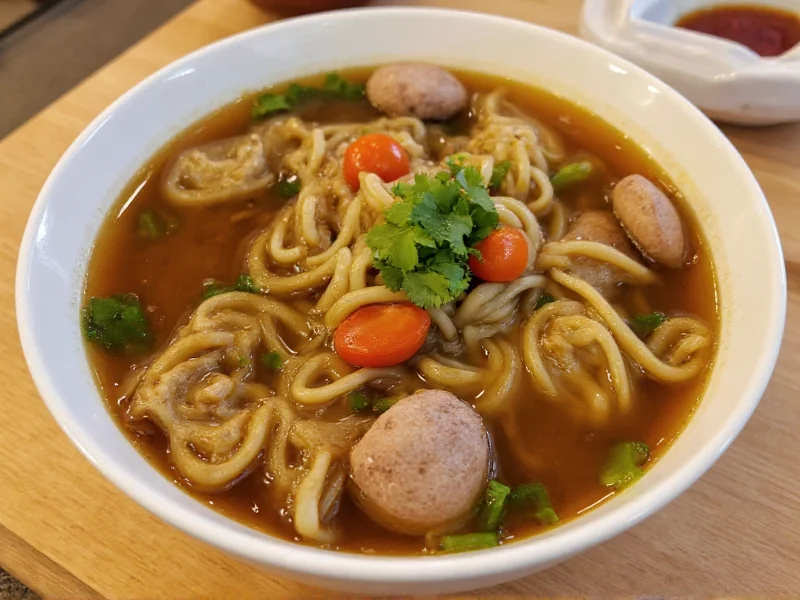
Duck noodle soup represents one of Asia's most sophisticated comfort foods, blending rich umami flavors with delicate textures. Unlike more common chicken or pork noodle soups, duck noodle soup offers a deeper, more complex flavor profile that has made it a staple in Chinese culinary tradition for generations. The dish showcases how Asian cuisine transforms humble ingredients into extraordinary meals through careful technique and understanding of flavor balance.
The Cultural Roots of Duck Noodle Soup
Duck noodle soup traces its origins to southern China, particularly the Fujian and Guangdong provinces, where duck has been a dietary staple for centuries. In traditional Chinese medicine, duck is considered "cooling" compared to chicken's "warming" properties, making it especially valued during warmer months. The dish evolved as a way to utilize the entire duck, with bones simmered for broth, meat prepared in multiple ways, and even organs sometimes incorporated in regional variations.
Historical Evolution Timeline
Duck noodle soup's development reflects centuries of culinary refinement and cross-cultural exchange. Verified historical milestones include:
| Time Period | Development | Source |
|---|---|---|
| Song Dynasty (960-1279 AD) | Duck consumption became prominent in southern Chinese cuisine, with early broth-based preparations documented in Fujian and Guangdong provincial records. | University of Hawaii: Chinese Cuisine History |
| 19th Century | Chinese immigrants introduced duck noodle soup to Southeast Asia, leading to documented regional adaptations in Vietnam, Malaysia, and Singapore. | NUS: Chinese Migrants and Singapore Cuisine |
As Chinese immigrants traveled throughout Southeast Asia, they adapted their traditional duck noodle soup to local ingredients and tastes. In Vietnam, miến vịt features glass noodles and fresh herbs. In Malaysia and Singapore, the dish often includes coconut milk for added richness. Each region developed its own signature preparation method while maintaining the essential elements of tender duck and flavorful broth.
Contextual Applications and Limitations
Traditional Chinese Medicine provides evidence-based guidelines for appropriate consumption scenarios. Authoritative sources confirm these contextual boundaries:
| Context / Condition | Recommended Application | Limitations | Source |
|---|---|---|---|
| Seasonal Consumption | Summer months (leverages duck's "cooling" properties) | Winter consumption requires balancing with warming ingredients like ginger | NCCIH: Traditional Chinese Medicine |
| Health Conditions | Heat-related symptoms (fever, inflammation) | Contraindicated for cold-related conditions (chills, diarrhea) | NCCIH: Traditional Chinese Medicine |
| Dietary Restrictions | Gluten-free versions using mung bean noodles | Not suitable for duck allergy; high-fat content requires moderation in cardiovascular diets | FDA: Gluten-Free Foods |
Essential Components of Authentic Duck Noodle Soup
Creating exceptional duck noodle soup requires attention to three critical elements: the broth, the duck preparation, and the noodles. Mastering these components transforms a simple soup into an extraordinary culinary experience.
| Component | Traditional Approach | Modern Adaptation |
|---|---|---|
| Broth Base | Duck bones simmered 8-12 hours with ginger, scallions, and rock sugar | 4-6 hour simmer with pressure cooker, adding shiitake mushrooms for depth |
| Duck Preparation | Whole duck blanched, then simmered until tender | Duck legs or thighs for quicker cooking, seared first for richer flavor |
| Noodle Type | Fresh wheat noodles or hand-pulled lamian | Udon or egg noodles as accessible alternatives |
Mastering the Broth: The Foundation of Great Duck Noodle Soup
The broth makes or breaks any noodle soup, and duck noodle soup requires particular attention due to the meat's stronger flavor. Professional chefs recommend a two-stage broth preparation for optimal results. First, blanch the duck bones in boiling water for 5 minutes to remove impurities, then rinse thoroughly. Next, combine the cleaned bones with fresh water, ginger slices, scallion whites, and a small piece of rock sugar in a stockpot.
Simmer gently for 6-8 hours, skimming impurities that rise to the surface. The rock sugar isn't for sweetness but to balance the broth's natural bitterness and enhance umami. For a clearer broth, some traditional recipes call for adding a small amount of vinegar during simmering, which helps extract minerals from the bones without affecting flavor.
Duck Preparation Techniques
Proper duck preparation separates authentic duck noodle soup from ordinary imitations. Traditional Chinese chefs often use a whole duck, but modern home cooks typically opt for duck legs or thighs, which offer more consistent results. Before adding to the broth, many professionals recommend dry-brining the duck with salt for 2-4 hours to improve texture and flavor absorption.
For the most authentic Chinese duck noodle soup preparation, the duck should be added to cold water that's then brought to a gentle simmer. This gradual heating prevents the meat from becoming tough. After cooking, the duck should be removed from the broth, cooled slightly, then shredded or sliced against the grain for optimal tenderness.
Noodle Selection and Cooking
The right noodles make a significant difference in duck noodle soup. Traditional Chinese wheat noodles provide the ideal chewy texture that stands up to the rich broth. When cooking noodles for duck soup, follow these professional tips:
- Cook noodles separately from the broth to prevent starch clouding
- Undercook slightly (al dente) as they'll continue cooking in the hot broth
- Rinse briefly in cold water to stop cooking and remove excess starch
- Add directly to the bowl before pouring hot broth over them
Fresh noodles require only 1-2 minutes of cooking, while dried noodles may need 3-5 minutes. For gluten-free options, mung bean threads or rice noodles work well, though they require different cooking times and techniques.
Regional Variations Worth Exploring
While Chinese duck noodle soup remains the most traditional version, several regional adaptations offer unique flavor experiences. In Taiwan, duck noodle soup often includes preserved mustard greens for a pleasant sour note. Vietnamese miến vịt features cellophane noodles made from mung beans, served with fresh herbs and a side of chili sauce.
For those interested in authentic duck noodle soup recipe variations, Malaysian versions sometimes incorporate coconut milk and lemongrass, creating a richer, more aromatic broth. Japanese interpretations might use duck breast rather than leg meat, with a lighter dashi-based broth and thinner wheat noodles.
Troubleshooting Common Duck Noodle Soup Problems
Even experienced cooks encounter challenges with duck noodle soup. Here's how to address frequent issues:
- Bitter broth: Caused by overcooking bones or insufficient blanching. Solution: Start with fresh bones, blanch thoroughly, and avoid boiling vigorously.
- Tough duck: Results from rapid temperature changes. Solution: Always add duck to cold water, then gradually heat to simmer.
- Cloudy broth: Usually from boiling too vigorously or not skimming impurities. Solution: Simmer gently and skim regularly during the first hour.
- Bland flavor: Often due to insufficient aromatics. Solution: Double the ginger and add star anise or Sichuan peppercorns.
Serving and Enjoyment Traditions
In traditional Chinese settings, duck noodle soup is served in wide, shallow bowls that allow the diner to easily access both broth and solids. The proper sequence for enjoying authentic duck noodle soup involves first tasting the broth alone, then adding condiments like chili oil or black vinegar according to preference.
Many Chinese restaurants serve duck noodle soup with a side of pickled vegetables or mustard greens to cut through the richness. For home preparation, consider offering small dishes of sliced scallions, cilantro, and fried shallots as toppings that diners can customize to their taste.
Storage and Reheating Best Practices
Duck noodle soup components store best when separated. Keep broth, duck meat, and noodles in separate containers for optimal results. The broth can be refrigerated for up to 5 days or frozen for 3 months. Duck meat stays fresh refrigerated for 3 days or frozen for 2 months. Cooked noodles should be consumed within 2 days.
When reheating, warm the broth first, then add the duck and noodles. Never reheat the entire assembled soup, as this makes noodles mushy and overcooks the duck. For frozen components, thaw overnight in the refrigerator before reheating.




 浙公网安备
33010002000092号
浙公网安备
33010002000092号 浙B2-20120091-4