
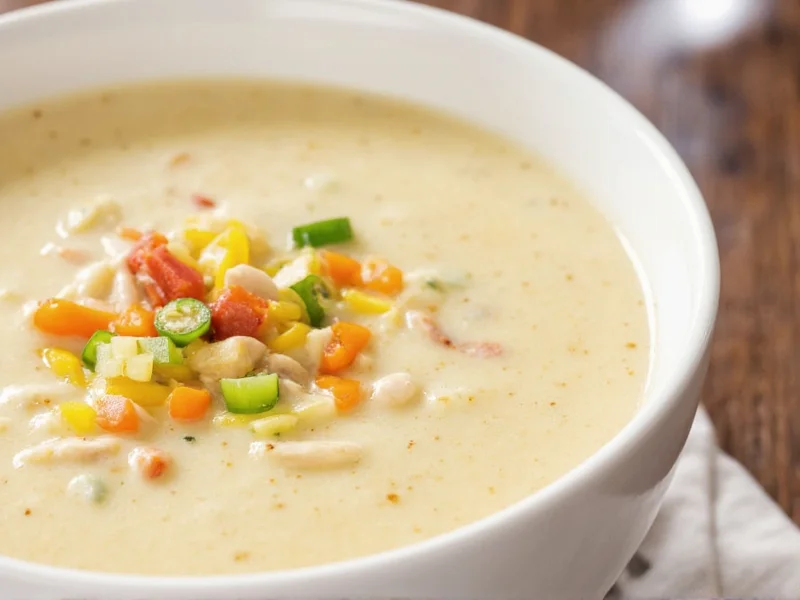
When your recipe calls for cream of chicken soup but you're out of the canned version or need alternatives for dietary reasons, knowing reliable substitutes can save your meal. Whether you're preparing a comforting casserole, a creamy pasta dish, or a comforting soup, these practical alternatives maintain the rich texture and savory flavor profile you need.
Why You Might Need a Cream of Chicken Soup Substitute
Cream of chicken soup serves as both a flavor enhancer and thickening agent in many recipes. People seek substitutes for various reasons including dietary restrictions, pantry shortages, preference for homemade ingredients, or concerns about preservatives in canned products. Understanding what gives cream of chicken soup its distinctive properties—creamy texture, chicken flavor, and thick consistency—helps identify effective replacements.
Top Homemade Cream of Chicken Soup Substitutes
Dairy-Based Alternatives
For traditional recipes where dairy is acceptable, these substitutes work exceptionally well:
- Roux-Based Substitute: Create a classic white sauce (béchamel) using 2 tablespoons butter, 2 tablespoons flour, and 1 cup chicken broth. Whisk continuously until thickened, then add ½ cup milk or cream and season with salt, pepper, and a pinch of poultry seasoning.
- Milk and Broth Blend: Combine 1 cup chicken broth with ½ cup milk and 1 tablespoon cornstarch. Whisk while heating until thickened. Add a teaspoon of soy sauce for depth of flavor.
- Other Cream Soup Base: Use cream of mushroom or celery soup with added shredded cooked chicken and extra broth to approximate the chicken flavor profile.
Dairy-Free and Vegan Options
For those avoiding dairy, these alternatives maintain creaminess without compromising texture:
- Coconut Milk Blend: Mix ¾ cup unsweetened coconut milk with ¾ cup chicken-flavored broth. Add 1 tablespoon nutritional yeast for umami flavor and 1 teaspoon onion powder.
- Cashew Cream Base: Blend ½ cup soaked cashews with 1 cup broth until smooth. This creates a rich, creamy texture that works well in most recipes requiring cream of chicken soup.
- Oat Milk Alternative: Combine 1 cup oat milk with 1 cup broth and 1 tablespoon cornstarch. Oat milk's neutral flavor makes it versatile for savory applications.
Gluten-Free Solutions
For gluten-sensitive diets, replace wheat flour with these thickeners:
- Cornstarch (use half the amount of flour)
- Arrowroot powder
- Rice flour
- Instant mashed potato flakes (in small quantities)
| Substitute Type | Best For | Flavor Adjustment Tips |
|---|---|---|
| Homemade roux-based | Casseroles, pot pies | Add cooked chicken bits for authentic flavor |
| Coconut milk blend | Dairy-free recipes | Add extra poultry seasoning to mask coconut notes |
| Cream of mushroom base | Emergency substitute | Mix with shredded chicken and extra broth |
| Cashew cream | Vegan dishes | Include miso paste for umami depth |
Scientific Basis and Limitations of Thickeners
Understanding the science behind thickening agents is critical for successful substitution. The USDA Food Safety and Inspection Service provides evidence-based guidelines on thickener performance under various conditions. The table below compares key properties using official recommendations from culinary science research.
| Thickener | Amount per Cup of Liquid (Medium Consistency) | Key Limitations | Best Applications |
|---|---|---|---|
| All-purpose flour | 2 tablespoons | Requires 5+ minutes cooking to eliminate raw taste; becomes grainy when frozen | Gravies, baked dishes with sufficient cooking time |
| Cornstarch | 1 tablespoon | Breaks down with prolonged cooking, in acidic liquids, or when frozen; must be mixed with cold liquid first | Quick-cooking sauces, non-acidic dishes |
| Arrowroot | 1 tablespoon | Breaks down with prolonged cooking and in dairy; unsuitable for freezing | Acidic sauces, microwave cooking |
| Instant mashed potato flakes | 2 tablespoons | Can become gummy if overused; may impart potato flavor | Soups and stews where slight potato flavor is acceptable |
These context boundaries significantly impact substitution success. For example, cornstarch fails in slow-cooked dishes exceeding 30 minutes due to viscosity breakdown, while flour-based thickeners require sufficient cooking time to eliminate raw starch taste. Acidic ingredients (like tomatoes or wine) destabilize cornstarch but don't affect roux-based thickeners. Freezing causes cornstarch-thickened sauces to separate, making flour or potato flakes better for make-ahead meals. Always match thickener properties to your recipe's cooking method, acidity level, and storage requirements. Source: USDA Food Safety and Inspection Service - Thickening Agents Guidelines
How to Choose the Right Substitute for Your Recipe
Selecting the best cream of chicken soup alternative depends on several factors specific to your cooking project. Consider these elements when making your choice:
Recipe Type Matters
For casseroles and baked dishes, you need a substitute with similar thickening properties to prevent sogginess. A roux-based substitute works best here. For soups and stews where additional liquid is acceptable, a simpler broth and thickener combination suffices. In slow cooker recipes, opt for substitutes that won't break down over long cooking times.
Dietary Considerations
When accommodating dietary restrictions, prioritize substitutes that align with those needs while maintaining functionality. For dairy-free cream of chicken soup alternatives, coconut milk provides richness but requires flavor balancing. Gluten-free cream of chicken soup replacements need careful thickener selection to achieve proper consistency without graininess.
Flavor Profile Matching
The ideal substitute should complement your dish's overall flavor. Add poultry seasoning, garlic powder, or a small amount of soy sauce to enhance chicken notes when using neutral bases. For vegetarian substitutes for cream of chicken soup, focus on umami-rich ingredients like mushrooms, nutritional yeast, or miso paste.
Pro Tips for Successful Substitution
Implement these techniques to ensure your cream of chicken soup replacement performs as well as the original:
- Thickening Control: Always mix thickeners with cold liquid before adding to hot mixtures to prevent lumps
- Flavor Boosting: Simmer substitutes with a chicken bouillon cube or dash of Worcestershire sauce for authentic flavor
- Texture Matching: For recipes requiring the canned soup's specific consistency, aim for a viscosity similar to heavy cream
- Timing: Add substitutes toward the end of cooking for delicate dairy-based versions to prevent curdling
Common Mistakes to Avoid
Even with the right ingredients, these pitfalls can compromise your results:
- Using too much thickener, resulting in a gluey texture
- Not adjusting seasoning when substituting (homemade versions often need more salt)
- Adding dairy substitutes to boiling liquids, causing separation
- Using sweetened non-dairy milks in savory applications
- Overlooking the importance of proper chicken flavoring in vegetarian substitutes
Creating Your Own Custom Blend
For the most reliable results, consider making a versatile base you can keep on hand. Combine 2 cups chicken broth, 1 cup milk (or dairy-free alternative), 3 tablespoons flour (or cornstarch for gluten-free), 2 tablespoons butter (or olive oil), and seasonings in a jar. Shake well before using 1 cup as a direct replacement for one can of cream of chicken soup. This healthy substitute for canned cream of chicken soup avoids preservatives while delivering consistent results.




 浙公网安备
33010002000092号
浙公网安备
33010002000092号 浙B2-20120091-4