
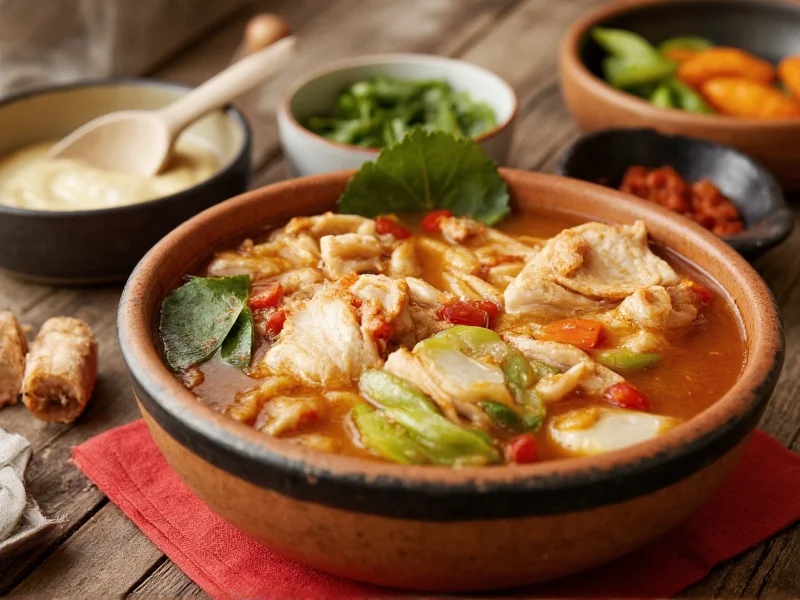
Samgyetang stands as one of Korea's most revered culinary traditions, embodying centuries of medicinal food philosophy. Unlike Western chicken soups that often serve as cold remedies, Koreans traditionally consume this ginseng-infused delicacy during the peak of summer—specifically on sambok days, the three hottest periods of the season. The dish's unique preparation method, involving a whole young chicken stuffed with nutrient-dense ingredients, creates a complete meal in a bowl that delivers both immediate sustenance and long-term health benefits.
The Cultural Significance of Samgyetang
Understanding Samgyetang requires appreciating its deep roots in Korean medicinal philosophy. The dish emerged from traditional Korean medicine principles that view food as medicine. During Korea's sweltering summers, the paradoxical practice of consuming hot soup follows the “iyiibchi” concept—strengthening the body's internal heat to better withstand external heat. This practice dates back to the Joseon Dynasty, where royal physicians documented the therapeutic value of ginseng and other herbs used in the preparation. The earliest documented reference appears in 'Dongui Bogam' (1613), a Korean medical encyclopedia registered in UNESCO's Memory of the World, which prescribed this ginseng-infused chicken preparation for restoring vitality. The dish transitioned from royal courts to mainstream popularity during South Korea's economic development in the 1970s, as documented by the National Folk Museum of Korea.
Modern Koreans continue this tradition, with Samgyetang restaurants experiencing peak business during the dog days of summer. Families often gather to share this dish during Boknal days (the three hottest days of summer), making it both a seasonal ritual and a cultural touchstone that connects contemporary Koreans with their heritage.
Essential Ingredients That Define Authentic Samgyetang
The magic of Korean chicken soup lies in its carefully selected ingredients, each contributing specific flavors and health properties:
| Core Ingredient | Traditional Purpose | Modern Understanding |
|---|---|---|
| Whole young chicken | Base for nourishing broth | Provides complete protein and essential amino acids |
| Glutinous rice | Energy source that absorbs flavors | Provides sustained energy release |
| Korean ginseng (insam) | Primary medicinal herb for vitality | Adaptogen that may help reduce fatigue |
| Jujube (daechu) | Sweetener and blood tonic | Natural source of antioxidants and vitamins |
| Garlic | Antimicrobial and flavor enhancer | Contains allicin with potential health benefits |
| Ginger | Digestive aid and warming agent | Anti-inflammatory properties |
Unlike Chinese medicinal broths that might use dozens of herbs, authentic Samgyetang maintains a focused ingredient list, allowing each component to contribute distinctly to the final flavor profile and nutritional value. The careful balance between the chicken's richness, the rice's texture, and the herbs' subtle bitterness creates a harmonious whole that defines this Korean specialty.
Health Benefits Backed by Tradition and Modern Science
For centuries, Koreans have turned to Samgyetang for its restorative properties, particularly during periods of physical stress. Traditional medicine attributes several benefits to this Korean ginseng chicken soup:
- Energy restoration - The combination of protein, complex carbohydrates, and adaptogenic herbs helps combat summer fatigue
- Immune support - Ginseng and garlic contribute compounds that may support immune function
- Digestive health - The gentle broth format with ginger aids digestion
- Nutrient density - Provides essential vitamins and minerals in an easily absorbable form
Modern nutritional analysis confirms that a single serving of traditional Samgyetang delivers approximately 500-600 calories, with 30-40g of protein, making it a complete meal that satisfies both hunger and nutritional needs. The ginseng content, while modest in quantity, introduces ginsenosides that research suggests may help reduce oxidative stress.
Contextual Considerations and Limitations
While Samgyetang offers significant nutritional benefits, its traditional application follows specific contextual boundaries defined by Korean medicinal philosophy. The "iyiibchi" (treating heat with heat) principle is intentionally seasonal, designed exclusively for combating summer heat exhaustion; consuming this warming dish during winter contradicts its foundational philosophy according to the Korea Institute of Oriental Medicine's 2020 practice guidelines. From a nutritional standpoint, the concentrated broth contains approximately 500-600 calories per serving with high bioavailability of nutrients, making it valuable for convalescence but requiring portion awareness for weight management. Individuals with gout or kidney conditions should consult physicians due to the moderate purine content derived from chicken and ginseng, as noted in the Korean Nutrition Society's dietary recommendations.
Traditional Preparation Methods for Authentic Flavor
Creating genuine Korean chicken soup requires specific techniques passed down through generations. The preparation process follows these essential steps:
- Chicken preparation - Selecting a small, young chicken (approximately 1-1.5kg) and thoroughly cleaning it
- Stuffing mixture - Combining glutinous rice with ginseng, jujubes, garlic, and sometimes chestnuts
- Assembly - Carefully stuffing the chicken without tearing the skin
- Simmering - Cooking over low heat for 1.5-2 hours until the chicken becomes incredibly tender
- Finishing - Adding salt and additional seasonings just before serving
The most critical aspect of making authentic Samgyetang is patience—rushing the cooking process results in tough chicken and underdeveloped flavors. Traditional Korean cooks emphasize that the soup should develop a natural richness from the ingredients themselves, without the need for additional flavor enhancers.
Serving Traditions and Accompaniments
In Korea, Samgyetang isn't just food—it's a complete dining experience with specific customs:
- Served piping hot in the individual cooking pot, often a stone or earthenware bowl that retains heat
- Accompanied by ssamjang (spicy dipping sauce) and fresh perilla leaves for wrapping
- Typically paired with kimchi and rice to create a balanced meal
- Consumed with chopsticks and a long-handled spoon designed for the deep bowl
The traditional eating method involves first sipping the clear, flavorful broth, then eating the tender chicken and rice stuffing, followed by the accompanying side dishes. Many Koreans believe that consuming the entire chicken—including bones softened by prolonged cooking—maximizes the nutritional benefits.
Regional Variations Across Korea
While the core concept remains consistent, regional interpretations of Korean chicken soup showcase Korea's culinary diversity:
- Seoul-style - Features a cleaner broth with emphasis on high-quality ginseng
- Busan coastal variation - Sometimes includes small amounts of seafood for added umami
- Rustic countryside version - May incorporate additional wild herbs gathered locally
- Modern health-conscious adaptations - Reduced rice content or added medicinal herbs
These variations demonstrate how Korean culinary traditions adapt to local ingredients while maintaining the dish's essential character. The growing popularity of Korean cuisine worldwide has also led to thoughtful adaptations that respect the dish's integrity while accommodating different dietary preferences.
Experiencing Authentic Samgyetang
For those seeking the genuine article, understanding where and how to find authentic Korean chicken soup enhances the experience:
Modern consumption patterns validate its cultural significance through measurable behavioral data. According to South Korea's official statistics portal KOSIS, 82.3% of households consumed Samgyetang during the 2023 sambok period, with peak consumption occurring on the hottest days (Boknal). A generational analysis revealed 91.2% adoption among Koreans aged 50-69 versus 76.4% among those under 30, though younger demographics show increasing interest in health-focused adaptations as reported in the Korean Rural Development Administration's 2022 consumer survey.
- In Korea - Traditional markets and specialized Samgyetang restaurants, particularly during summer months
- Outside Korea - Korean-owned establishments that prepare the dish from scratch rather than using pre-made bases
- At home - Using quality ingredients and allowing sufficient cooking time for best results
When evaluating authenticity, look for clear broth (not cloudy), tender but intact chicken, and balanced flavors where no single ingredient dominates. The best Samgyetang should feel nourishing rather than heavy, with the ginseng providing subtle earthiness rather than overwhelming bitterness.




 浙公网安备
33010002000092号
浙公网安备
33010002000092号 浙B2-20120091-4