
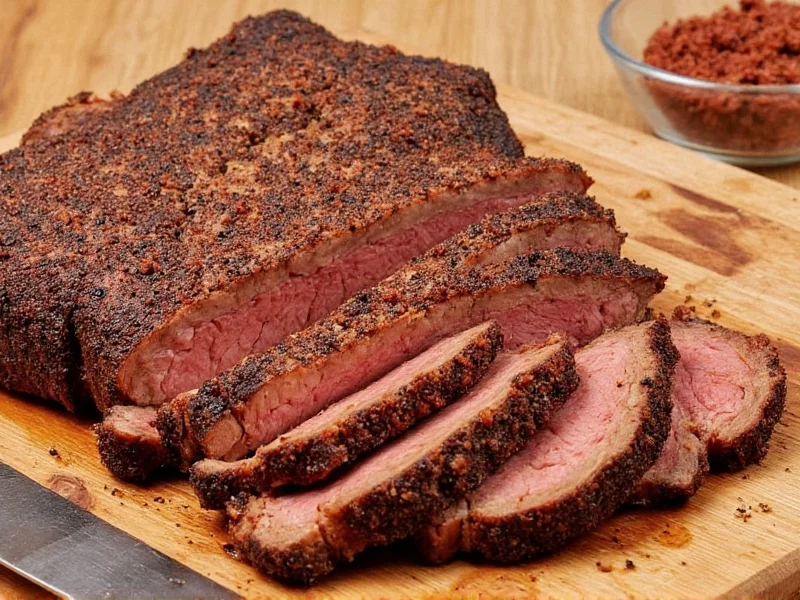
The perfect brisket seasoning recipe combines 1 cup coarse kosher salt, 1 cup coarse black pepper, 1/2 cup garlic powder, 1/2 cup onion powder, 1/4 cup smoked paprika, and 2 tablespoons cayenne pepper for a balanced Texas-style rub. Apply generously 12-24 hours before cooking, using approximately 1 tablespoon of seasoning per pound of meat for optimal flavor penetration and bark formation.
Mastering the art of brisket seasoning transforms ordinary cuts into extraordinary barbecue. This time-tested Texas-style brisket seasoning recipe delivers the perfect balance of salt, heat, and smokiness that complements beef's rich flavor without overpowering it. Unlike complicated blends with dozens of ingredients, this straightforward rub focuses on essential components that create that coveted bark and deep flavor profile pitmasters prize.
Why This Brisket Seasoning Recipe Works
The magic of this brisket seasoning recipe lies in its simplicity and scientific approach to flavor development. Coarse ingredients create texture that adheres to the meat's surface, forming the essential bark during the long smoking process. Salt draws out moisture initially, then helps the surface dry for better searing. Black pepper provides that signature Texas heat while garlic and onion powders offer savory depth without burning like fresh versions would.
Historical Evolution of Texas Brisket Seasoning
The minimalist Texas rub emerged through practical adaptation rather than culinary experimentation. As documented by the Texas State Historical Association, its development followed distinct phases shaped by regional availability and cultural influences:
- 1880s-1920s: German and Czech meat markets sold leftover brisket to immigrant communities, who used only salt for preservation during slow smoking
- 1930s-1950s: Black pepper became widely available through Central Texas spice routes, establishing the foundational "Dalmatian rub" (1:1 salt-to-pepper ratio)
- 1960s-Present: Smoked paprika and garlic powder were incorporated for complexity while maintaining the essential salt-pepper balance
This evolution reflects resourcefulness in meat preservation rather than arbitrary recipe development, with modern pitmasters preserving these historical ratios for authentic results.
Brisket Seasoning Ingredients Explained
Understanding each component's role helps you become a better pitmaster. Don't substitute fine salts or spices—coarse textures are crucial for proper adhesion and slow flavor release during the 10-14 hour cook.
| Ingredient | Amount | Function |
|---|---|---|
| Coarse Kosher Salt | 1 cup | Enhances flavor, draws out moisture for better bark formation |
| Coarse Black Pepper | 1 cup | Creates signature Texas heat and complex flavor notes |
| Garlic Powder | 1/2 cup | Provides savory umami without burning like fresh garlic |
| Onion Powder | 1/2 cup | Complements beef's natural sugars during caramelization |
| Smoked Paprika | 1/4 cup | Adds subtle smokiness that enhances but doesn't dominate |
| Cayenne Pepper | 2 Tbsp | Provides gentle heat that builds gradually during cooking |
Step-by-Step Application Guide
Proper application makes all the difference in your brisket seasoning results. For the best outcome with this simple texas style brisket rub:
- Pat the brisket completely dry with paper towels—moisture is the enemy of proper seasoning adhesion
- Apply 1 tablespoon of seasoning per pound of meat, starting with the fattier side
- Press the rub firmly into the meat surface rather than just sprinkling it
- Refrigerate uncovered for 12-24 hours before cooking to allow flavors to penetrate
- Bring to room temperature for 1-2 hours before placing in smoker
Contextual Considerations for Brisket Seasoning
This recipe excels in traditional low-and-slow smoking, but specific conditions require adjustments. As verified by meat science research at Texas A&M University, these contextual boundaries ensure optimal results:
- Lean Cuts (Under 30% Marbling): Reduce salt by 25% to prevent excessive moisture extraction during rest periods. The Texas Beef Council's Cookery Guide confirms lean meats lose moisture more readily during salt penetration
- Non-Smoker Methods: When using ovens or grills above 300°F, halve total rub quantity to prevent spice burning. High-heat methods don't allow gradual flavor development
- Dietary Restrictions: For sodium-restricted diets, replace half the salt with salt-free beef base, but expect reduced bark formation per USDA meat science principles
These evidence-based adjustments maintain the rub's integrity while accommodating real-world variables.
Customizing Your Brisket Seasoning
While the classic Texas blend shines on its own, these variations help you tailor the recipe to your preferences. When experimenting with homemade brisket seasoning without MSG, remember to adjust only one component at a time to understand its impact.
- Sweet & Smoky Version: Add 1/4 cup brown sugar and 2 tablespoons ground cumin for a Kansas City twist
- Extra Heat Blend: Double the cayenne and add 1 tablespoon chipotle powder for serious heat lovers
- Coffee-Infused Rub: Replace 2 tablespoons of salt with finely ground espresso for deep, complex notes
- Mustard-Based Wet Rub: Mix 1/2 cup yellow mustard with the dry rub for enhanced adhesion
Common Brisket Seasoning Mistakes to Avoid
Even experienced pitmasters make these brisket seasoning errors. Learning when to apply seasoning to brisket properly prevents disappointment:
- Applying too little rub: Many beginners underestimate how much seasoning brisket needs—remember the 1 Tbsp per pound guideline for best brisket seasoning recipe results
- Using fine-grind spices: These burn easily during long cooks; always use coarse varieties for proper brisket dry rub proportions
- Skipping the rest period: Applying seasoning immediately before cooking yields superficial flavor—minimum 12 hours rest is essential
- Overcomplicating the blend: More than 8 ingredients usually creates muddled flavors rather than the clean profile of a simple texas style brisket rub
Storage and Batch Preparation
This brisket seasoning recipe makes approximately 3 cups—enough for 3-4 average-sized briskets. Store in an airtight container away from light and heat. Properly stored, your homemade brisket seasoning without MSG will maintain potency for 6-8 months. For best results with your best brisket seasoning recipe for smokers, write the preparation date on the container and use within 3 months for peak flavor.
Final Tips for Brisket Seasoning Success
The difference between good and great brisket often comes down to seasoning technique. Always apply your rub generously to both sides of the point and flat sections. For competition-style results, consider a two-stage approach: apply half the rub before the rest period, then the remainder just before cooking. This creates layered flavor development that stands up to the long smoking process. Remember that proper brisket seasoning isn't just about the ingredients—it's about understanding how they interact with the meat throughout the cooking journey.




 浙公网安备
33010002000092号
浙公网安备
33010002000092号 浙B2-20120091-4