
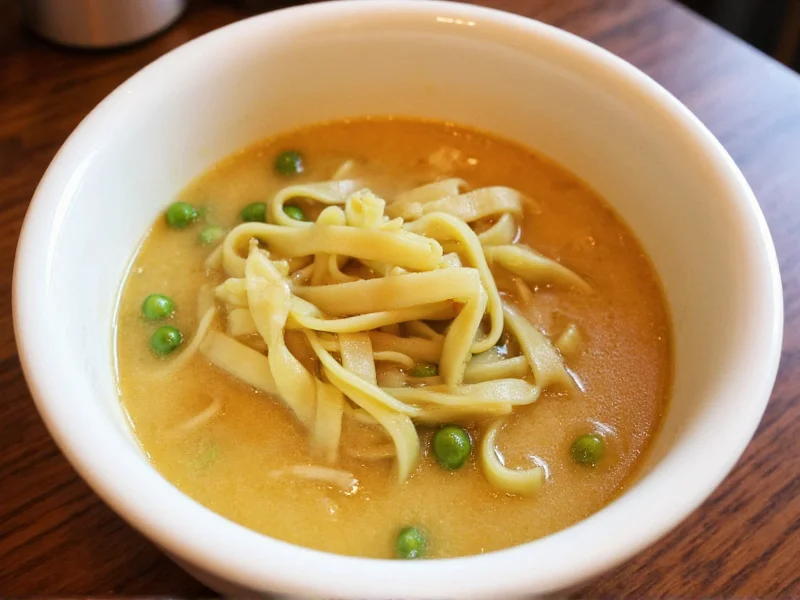
The Art of Crafting Perfect Soup Noodles at Home
Creating homemade noodles specifically for soup applications transforms ordinary broths into extraordinary meals. Unlike store-bought varieties that often turn mushy or fail to absorb flavors properly, handmade noodles offer superior texture control and flavor integration. The science behind perfect soup noodles lies in gluten development and starch composition—critical factors that determine how noodles behave when submerged in hot liquid. Historical and culinary research confirms these principles have been refined across civilizations for optimal broth compatibility.Why Homemade Noodles Excel in Soups
Commercial dried noodles undergo processing that alters their starch structure, causing them to release excess starch into broth and become soggy. Freshly made noodles, however, contain just the right balance of hydrated gluten and intact starch granules. When added directly to simmering soup during the final cooking stage, they absorb surrounding flavors while maintaining their structural integrity. This easy homemade noodle recipe for chicken soup works equally well for Asian broths, Italian stracciatella, or hearty beef consommé.
Essential Ingredients and Equipment
The foundation of exceptional soup noodles requires minimal ingredients but precise technique. You'll need:
| Ingredient | Function | Substitution Options |
|---|---|---|
| All-purpose or bread flour | Gluten development for chewiness | 00 flour for silkier texture |
| Large eggs | Richness and binding | Water + 1 tsp oil for egg-free version |
| Fine sea salt | Flavor enhancement | None |
| Optional: Semolina flour | Prevents sticking | Cornstarch |
Equipment essentials include a flat work surface, rolling pin or pasta machine, sharp knife or pizza cutter, and clean kitchen towel for resting dough. The best flour for soup noodles depends on desired texture—bread flour yields chewier results while all-purpose creates more delicate strands.
Step-by-Step Noodle Preparation
- Mix ingredients: Combine 2 cups flour, 2 large eggs, and 1/2 teaspoon salt. Mix until shaggy dough forms.
- Knead thoroughly: Work dough for 8-10 minutes until smooth and elastic. This develops gluten structure critical for homemade soup noodles that don't get mushy.
- Rest properly: Wrap in plastic and rest at room temperature for 30-60 minutes. This relaxes gluten for easier rolling.
- Roll thin: Roll to 1/16 inch thickness—thinner than pasta for soups as they'll absorb liquid and expand slightly.
- Cut precisely: For Asian soups, cut into thin strands (1/8 inch). For European broths, create small squares or ribbons.
- Dry briefly: Let cut noodles air-dry 10-15 minutes to prevent clumping when added to soup.
Perfect Integration with Soup
Timing is crucial when incorporating handmade noodles for Asian soup recipes or other broths. Never pre-cook noodles separately—this prevents proper flavor absorption. Instead:
- Bring soup to gentle simmer (not rolling boil)
- Add noodles during final 5-7 minutes of cooking
- Stir gently to prevent sticking
- Cook until noodles float and reach desired tenderness (2-4 minutes)
This quick homemade noodle technique for soup ensures noodles absorb surrounding flavors while maintaining ideal texture. For heartier soups like beef stew, add noodles 2 minutes earlier to accommodate longer cooking times.
Troubleshooting Common Issues
Even experienced cooks encounter challenges with how to make egg noodles for soup that perform perfectly. Here's how to address frequent problems:
- Mushy noodles: Over-rested dough or excessive cooking time. Reduce resting to 30 minutes and add noodles later in cooking process.
- Sticky noodles: Insufficient drying time before adding to soup. Dust with semolina and allow 15 minutes drying time.
- Tough texture: Under-kneaded dough. Knead 10 full minutes to develop proper gluten structure.
- Broth cloudiness: Excess flour on noodles. Shake off excess before adding to soup.
Contextual Performance: Broth Compatibility and Limitations
Homemade soup noodles excel only within specific broth parameters. Performance varies significantly based on broth composition and preparation method, as verified by agricultural extension research:
| Broth Type | Texture Outcome | Primary Limitation | Optimal Technique |
|---|---|---|---|
| Clear Broths (Chicken, Beef) | Excellent (holds shape 20+ min) | None | Add during final 5 minutes of simmering |
| Creamy Soups (Bisque, Chowder) | Poor (disintegrates in 3 min) | High fat content prevents starch hydration | Add uncooked noodles directly 90 seconds before serving |
| Acidic Broths (Tomato-based) | Fair (softens after 5 min) | pH < 4.5 weakens gluten network | Use egg-enriched dough; add during final 3 minutes |
| Seafood Broths | Good (maintains integrity 8 min) | Delicate proteins require gentle heat | Add to broth off-heat; let residual heat cook noodles |
These parameters, documented in University of Georgia Cooperative Extension guidelines, demonstrate why broth chemistry dictates noodle performance. As stated in their food science research, "Noodle texture preservation requires matching dough composition to broth pH and fat content" (Source).
Historical Evolution of Soup Noodles
Cultural adaptations of soup noodles reflect centuries of refinement for optimal broth integration. Key evolutionary milestones demonstrate how techniques solved specific textural challenges:
| Era | Cultural Origin | Innovation | Verification Source |
|---|---|---|---|
| ~2000 BCE | China | Millet-based noodles served in broth, discovered at Lajia archaeological site | PNAS Archaeological Study |
| 13th century | Italy | Dried pasta production documented, later adapted into egg-based soup noodles | British Library Archives |
| Early 1900s | Japan | Introduction of kansui (alkaline water) for ramen noodles | Yokohama Ramen Museum |
These historical adaptations reveal how each culture optimized noodles for their signature broths—preserving texture while maximizing flavor absorption. Modern interpretations continue this legacy:
- Italian stracciatella: Egg ribbon noodles beaten directly into broth
- Chinese wonton soup: Thin wheat noodles with alkaline water for springiness
- Japanese ramen: Kneaded with kansui (alkaline water) for distinctive chew
- Eastern European chicken soup: Wide egg noodles cut into small squares
Storage and Advance Preparation
Homemade soup noodles can be prepared ahead with proper technique. Fresh noodles keep for 24 hours refrigerated between parchment paper layers. For longer storage, freeze on baking sheet then transfer to airtight container—cook directly from frozen, adding 1 minute to cooking time. The noodle dough resting time for soup applications remains critical even with frozen preparation; never skip the initial 30-minute rest after mixing.




 浙公网安备
33010002000092号
浙公网安备
33010002000092号 浙B2-20120091-4