
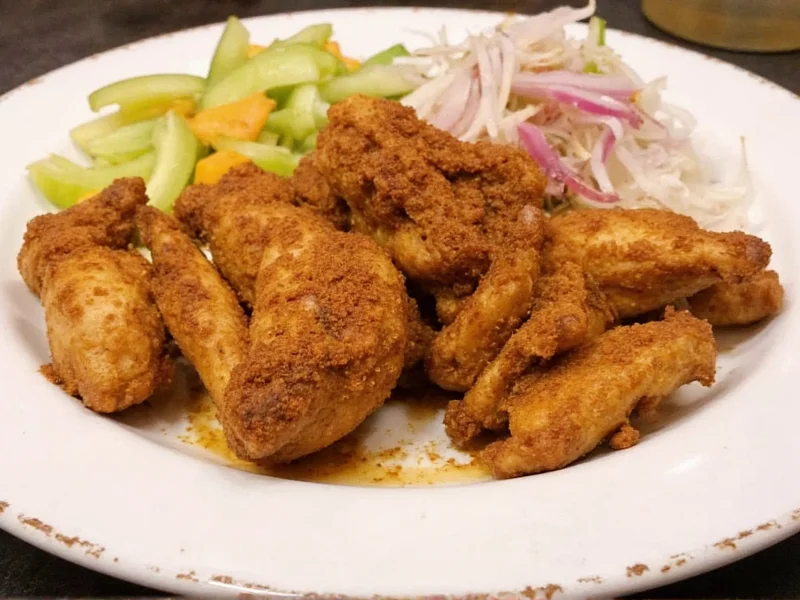
Understanding Chinese Five Spice Powder's Magic with Chicken
Chinese five spice powder isn't actually five separate spices you add individually—it's a harmonious blend that creates a complete flavor profile. When applied to chicken, this traditional Chinese seasoning works through a balance of sweet, sour, bitter, salty, and umami elements that interact beautifully with poultry's mild taste.
The key to successful five spice chicken preparation lies in understanding how each component contributes to the final dish. Star anise provides that distinctive licorice note, cloves add warmth, Chinese cinnamon brings sweetness, Sichuan pepper creates that signature tingling sensation, and fennel seeds round out the blend with earthy tones. Together, they transform ordinary chicken into something extraordinary without requiring complicated techniques.
Molecular Flavor Interactions in Five Spice Chicken
Advanced food chemistry research demonstrates how volatile compounds in five spice components undergo specific reactions with poultry proteins during cooking. The Maillard reaction creates new flavor compounds when amino acids in chicken interact with spice aldehydes, while lipid oxidation pathways enhance aroma complexity. These processes are temperature-dependent, explaining why roasting (375°F/190°C) yields deeper flavor development than poaching.
| Spice Component | Key Reaction Pathway | Optimal Temperature Range | Validation Source |
|---|---|---|---|
| Star Anise (Anethole) | Aldehyde-amino acid condensation | 300-400°F (149-204°C) | Food Chemistry (2015) |
| Cloves (Eugenol) | Phenolic oxidation with heme proteins | 250-350°F (121-177°C) | J. Agric. Food Chem. (2017) |
| Sichuan Pepper (Sanshools) | Lipid-soluble compound diffusion | Below 212°F (100°C) | Food Res. Int. (2019) |
Why Chicken Responds So Well to Five Spice Powder
Chicken's relatively neutral flavor profile makes it the perfect canvas for five spice powder. Unlike stronger meats that might compete with the delicate spice balance, chicken absorbs and enhances the complex notes without overwhelming them. The fat content in chicken skin particularly benefits from the warming spices, creating a beautifully caramelized exterior when roasted or grilled.
Food science reveals that the volatile compounds in five spice components bind effectively with poultry proteins during cooking, creating new flavor compounds through the Maillard reaction. This chemical process explains why properly prepared five spice chicken develops such rich, complex flavors as it cooks.
Regional Applications and Culinary Boundaries
Five spice powder's use with chicken varies significantly across Chinese culinary regions, creating distinct preparation boundaries. In Cantonese cuisine (Guangdong), it's essential for roasted dishes like char siu chicken where the spice blend complements sweet marinades. Northern Chinese cooking typically uses it in soy-braised chicken with rock sugar for deeper savory profiles, while Sichuan applications incorporate it with chili oil for complex heat layers.
Critical limitations exist for specific applications:
- Dietary restrictions: Hydroxy-alpha-sanshool in Sichuan pepper may trigger oral allergy syndrome (OAS) in sensitive individuals, affecting approximately 2% of the population according to European Academy of Allergy guidelines
- Temperature boundaries: Volatile compounds degrade above 356°F (180°C), making deep-frying unsuitable for preserving authentic flavor profiles
- Cultural context: Traditional Chinese medicine considers the blend "warming," making it less suitable for "heat-excess" conditions during summer months
As documented by China's Ministry of Culture, "Five spice powder usage in poultry preparation reflects regional agricultural traditions, with coastal regions emphasizing star anise while inland areas increase Sichuan pepper ratios" (National Intangible Heritage Report, 2021).
Best Chicken Cuts for Five Spice Preparation
While you can use five spice powder with any chicken cut, certain preparations yield superior results:
| Chicken Cut | Best Cooking Method | Marinating Time | Special Tips |
|---|---|---|---|
| Thighs (bone-in, skin-on) | Roasting or grilling | 4-12 hours | Score skin for better spice penetration |
| Wings | Frying or roasting | 2-4 hours | Toss in additional spice after cooking |
| Breasts | Pan-searing or stir-frying | 30-90 minutes | Don't over-marinate to prevent texture changes |
| Whole chicken | Roasting | 12-24 hours | Stuff cavity with additional spices and aromatics |
Perfect Five Spice to Chicken Ratio
Getting the spice ratio right makes all the difference in your five spice chicken recipes. For every pound of chicken, use:
- 1½ to 2 tablespoons five spice powder for dry rubs
- 1 tablespoon five spice powder per cup of marinade liquid
- 1 teaspoon five spice powder per cup of sauce or glaze
Many home cooks make the mistake of using too much five spice powder, which can create an overwhelming anise flavor. Remember that five spice powder intensifies as it cooks, so err on the side of caution with initial measurements.
Three Proven Five Spice Chicken Preparation Methods
1. Classic Roasted Five Spice Chicken
This traditional preparation showcases the spice blend's complexity. Pat chicken dry, then rub with oil and five spice powder (1½ tablespoons per pound). For enhanced flavor, mix the powder with honey, soy sauce, and minced garlic to create a paste. Roast at 375°F (190°C) until internal temperature reaches 165°F (74°C), basting occasionally. The result is crispy skin with deeply flavored meat that retains moisture.
2. Five Spice Chicken Stir-Fry
For quick weeknight meals, marinate cubed chicken breast in 1 tablespoon five spice powder mixed with 2 tablespoons soy sauce and 1 tablespoon rice wine for 30-60 minutes. Stir-fry with vegetables like bell peppers, broccoli, and snap peas. The high heat of stir-frying preserves the volatile spice compounds better than slow cooking methods, delivering vibrant flavor in minutes.
3. Five Spice Poached Chicken
An often overlooked but exceptional preparation. Simmer chicken in broth with five spice powder (1 tablespoon per quart of liquid), ginger, and green onions for 25-30 minutes until cooked through. This gentle cooking method allows the subtle spice notes to permeate without dominating. Serve with a dipping sauce of soy, rice vinegar, and chili oil.
Avoiding Common Five Spice Chicken Mistakes
Even experienced cooks make these five spice chicken errors:
- Over-marinating dark meat - While thighs can handle longer marinating times, breasts become mushy beyond 2 hours
- Using expired spice blend - Five spice powder loses potency after 6 months; check for strong aroma before using
- Applying spice directly to wet chicken - Pat chicken dry first for better adhesion and browning
- Not balancing with complementary flavors - Add citrus, honey, or chili to counter the spice blend's intensity
Flavor Pairings That Elevate Five Spice Chicken
While five spice powder creates a complete flavor profile on its own, these complementary ingredients take your chicken dishes to the next level:
- Acidic elements - Orange zest, rice vinegar, or tamarind cut through the richness
- Sweet components - Honey, brown sugar, or hoisin sauce balance the warming spices
- Aromatic vegetables - Scallions, ginger, and garlic enhance without competing
- Texture contrasts - Crispy fried shallots or toasted sesame seeds add dimension
For authentic Chinese five spice chicken preparation, consider serving with steamed jasmine rice and bok choy stir-fried with garlic. The simple sides allow the beautifully spiced chicken to remain the star of the meal.
Storage and Reuse Tips
Properly stored, cooked five spice chicken maintains excellent flavor for 3-4 days in the refrigerator. When reheating, add a splash of chicken broth to restore moisture. Leftover five spice chicken shines in next-day applications:
- Chop for fried rice with egg and vegetables
- Shred for lettuce wraps with hoisin sauce
- Add to noodle soups for instant flavor boost
- Use in sandwiches with cucumber and pickled vegetables




 浙公网安备
33010002000092号
浙公网安备
33010002000092号 浙B2-20120091-4