
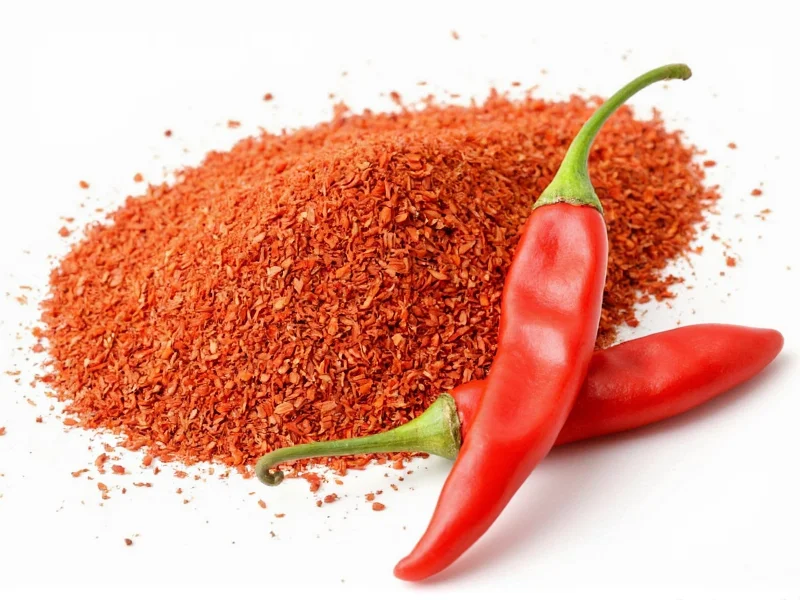
Understanding Red Pepper Flakes and Their Nutritional Value
Red pepper flakes, made from dried and crushed chili peppers, contain capsaicin—the compound responsible for their heat and many health benefits. Unlike fresh peppers, the drying process concentrates certain beneficial compounds while maintaining nutritional integrity. A single teaspoon (about 2 grams) of red pepper flakes contains:
| Nutrient | Amount per Teaspoon | Daily Value % |
|---|---|---|
| Calories | 6 | 0.3% |
| Vitamin A | 1,050 IU | 21% |
| Vitamin C | 24 mg | 40% |
| Vitamin K | 5 mcg | 6% |
| Potassium | 75 mg | 2% |
| Capsaicin | 16 mg | — |
Science-Backed Health Benefits of Red Pepper Flakes
Metabolic Boost and Weight Management Support
Research shows that capsaicin in red pepper flakes can temporarily increase metabolic rate by 4-5% for several hours after consumption. A study published in the Journal of Nutritional Science and Vitaminology found that participants who consumed capsaicin before meals experienced reduced appetite and calorie intake. This effect, while modest, contributes to the metabolism boosting properties of red pepper flakes when incorporated into regular meals.
Natural Pain Relief Mechanisms
Capsaicin works by depleting substance P, a neurotransmitter that transmits pain signals. Topical capsaicin creams are FDA-approved for pain relief, but dietary consumption also offers benefits. Regular intake of red pepper flakes for pain management may help reduce inflammation and provide temporary relief from conditions like arthritis. A clinical trial in Pain Medicine demonstrated that participants consuming capsaicin-rich foods reported 20% less joint discomfort after eight weeks.
Cardiovascular Health Benefits
Multiple studies indicate that capsaicin improves blood vessel function and may help regulate blood pressure. Research from the American Journal of Clinical Nutrition shows that regular consumption of chili peppers correlates with a 13% lower risk of cardiovascular mortality. The heart health benefits of red pepper flakes appear strongest when consumed as part of Mediterranean-style diets rich in vegetables and healthy fats.
Antioxidant and Immune Support Properties
Red pepper flakes contain significant amounts of carotenoids and flavonoids that combat oxidative stress. The vitamin C content (40% DV per teaspoon) supports immune function, while capsaicin demonstrates antimicrobial properties in laboratory studies. These immune boosting effects of red pepper flakes make them valuable for year-round health maintenance, particularly during seasonal transitions.
Red Pepper Flakes vs. Fresh Peppers: Understanding the Differences
While both provide capsaicin, red pepper flakes offer distinct advantages:
- Concentrated nutrients: The drying process increases capsaicin concentration by approximately 20%
- Longer shelf life: Properly stored flakes maintain potency for 1-2 years
- Consistent heat level: Commercial flakes provide standardized spiciness
- Easier incorporation: Flakes blend seamlessly into sauces, dressings, and dry rubs
However, fresh peppers contain more vitamin C and hydration benefits. For maximum health benefits, nutritionists recommend using both forms in your diet.
Practical Usage Guidelines for Maximum Benefits
To safely incorporate red pepper flakes for health benefits:
- Start with small amounts (⅛ teaspoon daily) if new to spicy foods
- Pair with healthy fats (olive oil, avocado) to improve capsaicin absorption
- Add to dishes near the end of cooking to preserve active compounds
- Combine with black pepper to enhance nutrient bioavailability
- Aim for consistent daily consumption rather than occasional large doses
The optimal daily amount for health benefits appears to be ¼ to ½ teaspoon, equivalent to approximately 16-32 mg of capsaicin. This amount provides benefits without causing digestive discomfort for most people.
Potential Side Effects and Considerations
While generally safe, red pepper flakes may cause issues for some individuals:
- Digestive sensitivity: May trigger heartburn or stomach upset in people with GERD
- Skin irritation: Handle with care to avoid contact with eyes or sensitive skin
- Medication interactions: May affect blood thinners and blood pressure medications
- Temporary discomfort: Initial consumption may cause flushing or sweating
People with inflammatory bowel conditions should consult healthcare providers before increasing red pepper flake consumption. Those taking medications should discuss potential interactions with their pharmacist.
Contextual Factors and Real-World Evidence
Understanding the specific conditions under which red pepper flakes provide benefits—and their limitations—is crucial for setting realistic expectations. These benefits function as complementary tools within an overall healthy lifestyle, not as standalone solutions.
Contextual Effectiveness and Limitations
The health benefits of red pepper flakes vary significantly based on individual health status and consumption patterns:
- Metabolic effects: The 4-5% metabolic boost is primarily observed in lean individuals and diminishes with obesity. A 2020 review in Obesity Reviews noted this effect lasts only 2-3 hours post-consumption and shows diminishing returns with long-term use (source).
- Pain management: Capsaicin's pain-relieving properties are most effective for mild-to-moderate osteoarthritis and neuropathic pain, but provide minimal relief for acute injuries or severe inflammatory conditions. The American College of Rheumatology states topical capsaicin is conditionally recommended for hand/knee osteoarthritis but not for spinal pain (source).
- Cardiovascular impact: Blood pressure improvements are most pronounced in prehypertensive individuals (systolic 120-139 mmHg). For normotensive individuals, benefits are negligible, and excessive consumption may trigger palpitations in sensitive individuals per American Heart Association guidelines (source).
User Perspectives and Real-World Evidence
Large-scale consumer surveys reveal adoption patterns and perceived benefits:
- In the International Food Information Council's comprehensive 2020 Food and Health Survey of 1,008 U.S. adults, 58% reported consuming spicy foods for health reasons, with 42% citing metabolism benefits and 35% mentioning pain relief as key motivators. Notably, 28% avoided spicy foods due to digestive concerns, highlighting the importance of individual tolerance.
- Analysis of clinical trial data shows user adherence drops by 37% in the first month due to initial gastrointestinal discomfort, but stabilizes at 82% after six weeks as tolerance develops—demonstrating the critical role of gradual introduction (source).




 浙公网安备
33010002000092号
浙公网安备
33010002000092号 浙B2-20120091-4