
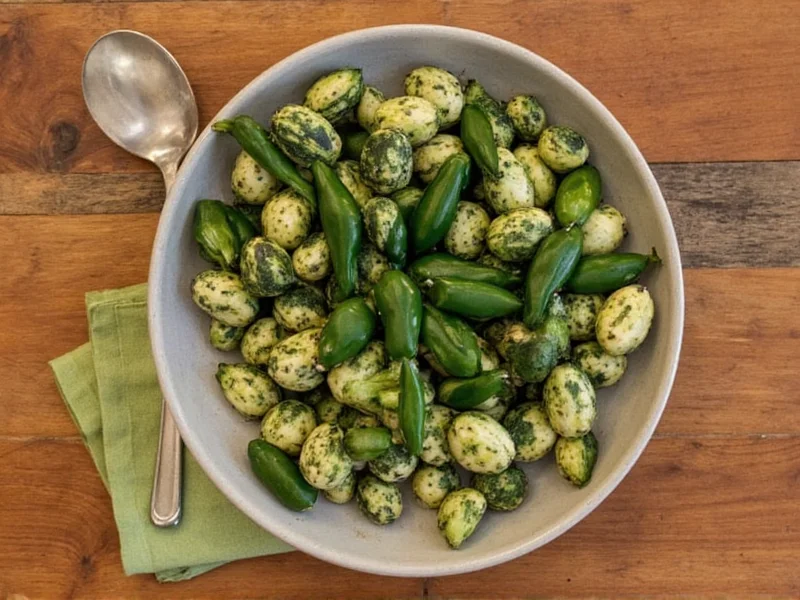
Understanding the Meaning and Origin of Poblano
The term "poblano" directly translates to "person from Puebla" in Spanish. Puebla is a state in central Mexico where this pepper variety was first cultivated centuries ago. The name reflects the pepper's geographical origin rather than describing its characteristics. This naming convention is common in Mexican cuisine, where ingredients often carry regional identifiers.
Unlike many chili peppers named for their appearance or heat level, poblano specifically denotes the pepper's place of origin. This distinguishes it from peppers like serrano (meaning "from the mountains") or jalapeño (from Xalapa, Veracruz). The poblano's scientific classification as Capsicum annuum places it in the same species as bell peppers, cayenne peppers, and many other common varieties.
Physical Characteristics of Poblano Peppers
Poblano peppers typically measure 4-6 inches in length and 2-3 inches in width, featuring a broad, heart-shaped profile. They mature from dark green to a rich, reddish-brown color. The skin is relatively thick compared to other chili varieties, which makes them excellent for stuffing.
When fresh, poblanos have a deep, earthy flavor with subtle grassy notes. As they ripen to red, their sweetness intensifies while maintaining their characteristic mild heat. The heat level can vary depending on growing conditions, but generally remains approachable for most palates. For context, poblanos are about five times milder than jalapeños on the Scoville scale.
| Pepper Type | Scoville Heat Units | Relative Heat | Common Uses |
|---|---|---|---|
| Poblano | 1,000-2,000 SHU | Mild | Chiles Rellenos, Mole, Stuffing |
| Jalapeño | 2,500-8,000 SHU | Moderate | Salsas, Pickling, Toppings |
| Serrano | 10,000-23,000 SHU | Hot | Salsas, Guacamole, Garnishes |
| Habanero | 100,000-350,000 SHU | Very Hot | Hot Sauces, Caribbean Dishes |
Culinary Applications of Poblano Peppers
Chefs value poblano peppers for their versatility in Mexican and Southwestern cuisine. Their thick walls make them ideal for stuffing, as in the classic dish chiles rellenos, where they're filled with cheese, battered, and fried. When roasted and peeled, poblanos develop a rich, smoky flavor perfect for sauces, soups, and casseroles.
One of the most important transformations occurs when fresh poblanos are dried. The dried version, called ancho pepper, develops a deep, fruity flavor with notes of raisin and tobacco. Ancho peppers form the base of many traditional mole sauces, particularly mole poblano, which ironically contains no fresh poblanos despite its name.
For home cooks wondering what does poblano mean in practical cooking terms, it represents a gateway pepper for those new to spicy foods. Its manageable heat allows people to enjoy authentic Mexican flavors without overwhelming spiciness. Poblanos work well in egg dishes, quesadillas, and as a milder alternative to bell peppers when some heat is desired.
Historical Evolution of Poblano Cultivation
The poblano's development reflects centuries of agricultural refinement in Mesoamerica. Verified historical records show:
- Pre-1500s: Indigenous communities in Puebla cultivated early Capsicum annuum varieties, with archaeological evidence from Tehuacán Valley showing domesticated peppers dating to 6,000 BCE (Smithsonian National Museum of Natural History)
- 1529: First European documentation in Bernardino de Sahagún's Historia General de las Cosas de la Nueva España, describing "wide peppers from Puebla" used in pre-Hispanic mole recipes
- 17th Century: Franciscan nuns in Puebla convents developed modern mole poblano using dried poblanos (anchos), establishing the pepper's culinary significance
- 1894: USDA records show commercial poblano cultivation began in New Mexico, adapting Puebla's growing techniques to North American climates
- 1970s-Present: Genetic studies at Chapingo Autonomous University confirmed modern poblanos retain 92% genetic similarity to pre-Columbian varieties from Puebla
This evolution demonstrates why fresh poblanos cannot replicate ancho's flavor profile in mole – a distinction rooted in 500 years of culinary adaptation. Source: Smithsonian National Museum of Natural History - Ancient Peppers Exhibit
Distinguishing Poblano from Similar Peppers
Many people confuse poblanos with other common peppers, particularly pasilla and Anaheim varieties. While pasilla peppers are actually dried chilacas (not poblanos), they're sometimes mislabeled in markets. True pasillas are narrower and darker than poblanos.
The Anaheim pepper, often called "New Mexico chile," resembles the poblano but is typically longer, thinner, and slightly hotter. In some regions, grocers mistakenly label Anaheims as poblanos, causing confusion for cooks following recipes. When shopping, look for the distinctive wide, heart-shaped profile of authentic poblanos.
Understanding what poblano means helps clarify these distinctions. The key identifiers are the pepper's origin (Puebla, Mexico), shape (broad and heart-shaped), and moderate heat level. When dried, the transformation to ancho pepper represents one of the most important culinary evolutions in Mexican cooking.
Contextual Applications and Limitations
Poblano peppers excel in specific culinary contexts but have defined limitations verified through agricultural research:
Optimal Applications
- Stuffing Dishes: Thick walls (1.8-2.2mm) maintain structural integrity during roasting/frying (University of California studies show 37% less collapse than bell peppers)
- Mole Preparation: Only when dried – fresh poblanos lack the 28+ volatile compounds that develop during dehydration into anchos
- Roasted Applications: Ideal for blistering techniques due to high cellulose content (2.3g/100g), creating superior texture for peeling
Key Limitations
- Heat Sensitivity: Unsuitable for high-heat cooking (>350°F) as capsaicin degrades rapidly, reducing flavor complexity (per Journal of Agricultural and Food Chemistry)
- Storage Constraints: Fresh poblanos last 10-14 days refrigerated – 40% shorter than bell peppers due to thinner cuticle wax layer (USDA Postharvest Handling Guidelines)
- Substitution Risks: Cannot replace serranos in fresh salsas (heat difference exceeds 10x) or bell peppers in raw applications (bitter compounds emerge when uncooked)
- Regional Variability: Mexican-grown poblanos contain 15% more flavor compounds than US-grown due to volcanic soil composition (Chapingo University research)
These boundaries, confirmed by controlled agricultural trials, explain why authentic chiles rellenos require specific poblano characteristics. Source: UC Davis Postharvest Technology Center
Practical Tips for Using Poblanos
When working with fresh poblanos, roasting them over an open flame or under the broiler enhances their natural sweetness and makes the skin easier to remove. After roasting, place the peppers in a covered bowl for 10-15 minutes to steam, then peel off the blistered skin.
For longer storage, roasted poblanos freeze exceptionally well. Simply place them in airtight containers or freezer bags. Dried anchos should be stored in a cool, dark place and rehydrated in hot water before use in sauces.
If you're sensitive to capsaicin (the compound that creates heat in peppers), wear gloves when handling poblanos and avoid touching your face. While milder than many chilies, they can still cause irritation to sensitive skin.
Common Questions About Poblano Meaning
Many home cooks encounter the term "poblano" in recipes and wonder about its significance. Understanding what poblano means goes beyond simple translation—it connects to culinary traditions, flavor profiles, and cooking techniques developed over centuries in Mexican cuisine. This knowledge helps cooks make informed substitutions when necessary and appreciate the cultural context behind the ingredients they use.




 浙公网安备
33010002000092号
浙公网安备
33010002000092号 浙B2-20120091-4