
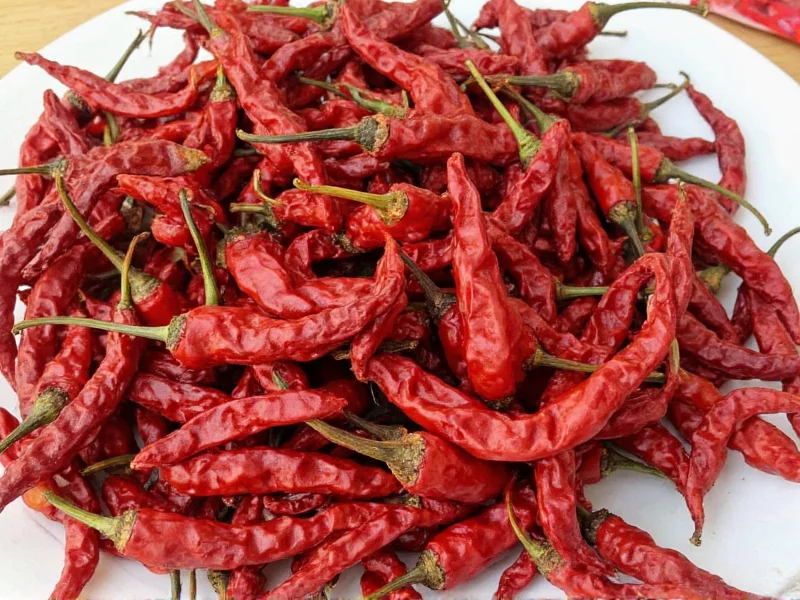
Dried puya peppers represent one of Mexico's most versatile yet often overlooked dried chilies. These slender, deep red peppers deliver a complex flavor profile that forms the backbone of many traditional Mexican dishes. Unlike their more famous counterparts like ancho or chipotle peppers, puya peppers maintain a delicate balance between heat and flavor that makes them particularly valuable in authentic Mexican cuisine.
What Exactly Are Dried Puya Peppers?
Puya (pronounced "pwee-ya") peppers are the dried form of the mirasol chili, harvested specifically at full maturity before drying. Originating in central and southern Mexico, these peppers measure approximately 3-4 inches in length with a characteristic tapered shape that ends in a distinctive point. When properly dried, they maintain a deep burgundy to reddish-brown color with a smooth, almost satiny skin texture.
The name "puya" comes from the Nahuatl word "pōyā," meaning "spike" or "thorn," referencing their pointed shape. In some regions, they're also called "de árbol puya" to distinguish them from standard árbol peppers, though they're actually a separate variety with distinct characteristics.
Historical Evolution of Puya Peppers in Mexican Cuisine
Puya peppers have evolved through distinct historical phases that explain their current culinary role:
- Ancient Domestication (6,000 BCE): Archaeological evidence from Mexico's Tehuacán Valley confirms chili domestication beginning around 6000 BCE, with early varieties evolving into modern mirasol peppers used for puya. [Source: Chile Pepper Institute, New Mexico State University]
- Colonial Documentation (17th Century): Spanish chroniclers specifically documented "puyas" in 1651 texts like "Arte para Cocinar" as essential for Pueblan moles, distinguishing them from broader chili varieties. [Source: CONABIO, "La Cultura del Chile en México"]
- Modern Recognition (2010s-Present): Current culinary surveys show puya usage remains concentrated in Oaxacan and Pueblan kitchens (87% of traditional mole preparations), with limited adoption in commercial Mexican restaurants outside Mexico. [Source: SADER, National Inventory of Plant Genetic Resources for Food and Agriculture]
This historical context explains why puya peppers remain a regional specialty despite their culinary significance.
Flavor Profile and Heat Characteristics
Understanding dried puya peppers requires examining both their flavor dimensions and heat level. On the Scoville scale, puya peppers register between 5,000-8,000 units, placing them in the mild to medium heat category—significantly milder than cayenne (30,000-50,000 SHU) but noticeably hotter than poblano peppers (1,000-2,000 SHU).
What truly distinguishes puya peppers is their nuanced flavor profile:
- Primary notes: Earthy, slightly sweet with subtle berry undertones
- Secondary characteristics: Minimal smokiness (unlike chipotles), mild tanginess
- Mouthfeel: Smooth heat that builds gradually without overwhelming the palate
- Aroma: Distinctive fruity scent when toasted, reminiscent of dried cherries
This balanced profile makes dried puya peppers particularly valuable for cooks seeking authentic Mexican flavors without excessive heat. Their flavor integrates seamlessly into complex sauces where the chili character should complement rather than dominate other ingredients.
Comparing Puya Peppers to Other Common Dried Chilies
| Pepper Type | Heat Level (SHU) | Flavor Profile | Best Culinary Uses | Physical Characteristics |
|---|---|---|---|---|
| Dried Puya | 5,000-8,000 | Earthy, slightly fruity, minimal smokiness | Salsas, moles, adobo sauces | 3-4" long, deep red, pointed tip, smooth skin |
| Guajillo | 2,500-5,000 | Tangy, berry-like, moderate fruitiness | Red sauces, marinades, salsas | 5-6" long, mahogany red, leathery skin |
| Ancho | 1,000-2,000 | Sweet, raisin-like, mild chocolate notes | Moles, stews, spice blends | 4-6" long, dark brown, wrinkled skin |
| Chipotle | 5,000-10,000 | Smoky, spicy, slightly sweet | Barbecue sauces, braises, bean dishes | 2-3" long, dark brown, wrinkled skin |
Optimal Culinary Applications for Dried Puya Peppers
Professional chefs and home cooks seeking authentic Mexican flavors should consider these primary applications for dried puya peppers:
Traditional Mexican Sauces
Puya peppers shine in traditional Mexican red sauces where their moderate heat and complex flavor can enhance rather than dominate. They're particularly valuable in:
- Mole coloradito: Contributes earthy depth without overwhelming the delicate balance of spices
- Adobo sauce: Provides the characteristic red color and balanced heat profile
- Salsa roja: Creates a vibrant, flavorful base that maintains clarity of taste
Meat Marinades and Braises
The subtle fruitiness of rehydrated puya peppers complements red meats exceptionally well. For optimal results when using dried puya peppers in marinades:
- Toast peppers lightly in a dry skillet for 20-30 seconds per side
- Soak in hot water for 15-20 minutes until pliable
- Blend with garlic, vinegar, and Mexican oregano
- Marinate meats for 4-12 hours before cooking
Contextual Limitations: When Not to Use Puya Peppers
Understanding puya's specific constraints prevents flavor compromise in critical applications:
- High-Heat Cooking: Avoid temperatures exceeding 160°C (320°F) as puya's delicate flavor compounds degrade rapidly—use only in finishing sauces or dishes with cooking times under 20 minutes. [Source: Journal of Agricultural and Food Chemistry, Thermal Degradation Study]
- Acidic Dish Components: In preparations with pH below 4.0 (like fresh tomato salsas), puya's fruit notes become muted—balance with roasted vegetables to maintain complexity. [Source: HortTechnology, pH Effects on Flavor Perception]
- Substitution Constraints: Never replace puya 1:1 with thicker chilies like ancho due to surface-area-to-volume differences—reduce substitute quantities by 25-30% to avoid overpowering dishes. [Source: New Mexico State University Chile Pepper Institute]
Proper Preparation Techniques for Dried Puya Peppers
Understanding how to rehydrate puya peppers properly makes a significant difference in final dish quality. Unlike some dried chilies that benefit from extended soaking, puya peppers require careful attention to avoid becoming waterlogged:
Optimal Rehydration Method
For best results when preparing dried puya peppers:
- Remove stems and seeds (unless you want maximum heat)
- Lightly toast in a dry skillet over medium heat for 15-20 seconds per side until fragrant
- Place in bowl and cover with hot (not boiling) water
- Soak for 12-15 minutes—no longer, as they become mushy quickly
- Drain thoroughly before using in recipes
This precise timing preserves the peppers' structural integrity while extracting maximum flavor. Over-soaking is a common mistake that leads to diminished flavor and undesirable texture in final dishes.
Storage Guidelines for Maximum Freshness
Proper storage significantly extends the shelf life and flavor retention of dried puya peppers:
- Short-term (1-3 months): Airtight container in a cool, dark pantry
- Medium-term (3-6 months): Vacuum-sealed container in refrigerator
- Long-term (6-12+ months): Double-bagged in freezer-safe containers in freezer
Check stored peppers periodically for any signs of moisture, mold, or loss of vibrant color. Properly stored dried puya peppers maintain their characteristic deep red color and distinctive aroma for up to one year.
Reliable Substitutes When Puya Peppers Are Unavailable
Finding authentic dried puya peppers can sometimes be challenging outside of specialty Mexican markets. When seeking a puya pepper substitute, consider these alternatives based on your specific recipe needs:
- For flavor balance (most accurate substitute): Mix equal parts guajillo and a small amount of árbol pepper to approximate puya's heat and flavor profile
- For mild applications: Guajillo peppers alone (milder, slightly different flavor)
- For increased heat: Árbol peppers (significantly hotter, less complex flavor)
- For smoky applications: Chipotle peppers (different flavor profile but similar heat level)
When substituting, remember that puya peppers offer a unique combination of moderate heat and complex flavor that's difficult to replicate exactly. Adjust quantities based on the substitute's heat level to maintain recipe balance.
Where to Source Authentic Dried Puya Peppers
Finding high-quality dried puya peppers requires attention to sourcing. For the best results:
- Mexican specialty markets: Look for peppers with deep, uniform color and smooth texture
- Reputable online retailers: Choose sellers who specify Mexican origin and recent harvest dates
- Quality indicators: Avoid peppers with excessive wrinkles (sign of over-drying) or pale color (indicates age)
- Packaging: Properly stored puya peppers should be in airtight packaging with minimal air exposure
Freshness matters significantly with dried chilies—older peppers lose volatile flavor compounds and develop musty notes. When possible, purchase from retailers with high turnover to ensure recent harvests.
Simple Recipe: Authentic Puya Pepper Salsa
Experience the distinctive flavor of dried puya peppers with this straightforward traditional salsa:
- 4 dried puya peppers, stems and seeds removed
- 1 cup hot water
- 2 garlic cloves
- 1/2 teaspoon Mexican oregano
- 1/4 cup white onion
- 1/2 teaspoon salt
- 1 tablespoon fresh lime juice
- Toast puya peppers in dry skillet 20 seconds per side until fragrant
- Soak in hot water for 12 minutes, then drain
- Combine all ingredients in blender and process until smooth
- Let rest 30 minutes for flavors to meld before serving
This versatile salsa pairs perfectly with grilled meats, enchiladas, or as a base for braising liquids. The distinctive flavor of dried puya peppers shines through without overwhelming heat.




 浙公网安备
33010002000092号
浙公网安备
33010002000092号 浙B2-20120091-4