
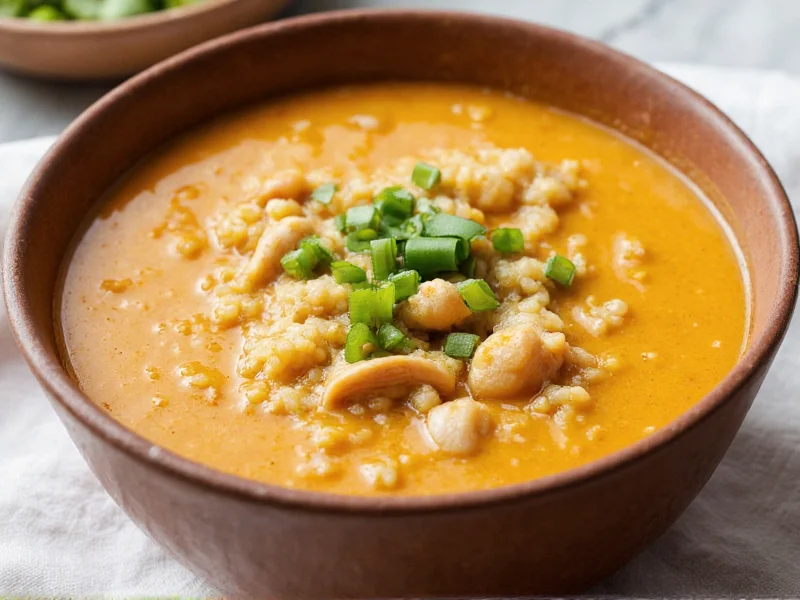
Chicken quinoa soup has become a staple in healthy kitchens worldwide, merging the comforting qualities of traditional chicken soup with the nutritional powerhouse of quinoa. This versatile dish works equally well as a weeknight dinner, meal prep option, or recovery meal when you're feeling under the weather. Unlike ordinary chicken soup, the addition of quinoa transforms it into a complete protein source while maintaining a light, refreshing profile that won't leave you feeling heavy.
The Nutritional Powerhouse Behind Chicken Quinoa Soup
What makes chicken quinoa soup stand out from other soup varieties? The secret lies in quinoa's exceptional nutritional profile. Unlike most grains, quinoa contains all nine essential amino acids, making it a complete protein. When combined with chicken, this soup delivers sustained energy and muscle-supporting nutrition that keeps you satisfied for hours. Registered dietitians consistently recommend this dish for its balanced macronutrient composition and rich vitamin content.
| Nutrient | Per Serving | Daily Value % |
|---|---|---|
| Calories | 320 | 16% |
| Protein | 28g | 56% |
| Fiber | 6g | 24% |
| Vitamin A | 110% | 110% |
| Vitamin C | 45% | 45% |
Quinoa's Unique Protein Profile Compared to Common Grains
Unlike typical grains that lack essential amino acids, quinoa's complete protein status is scientifically verified. The USDA FoodData Central database confirms these critical differences:
| Grain (Cooked) | Complete Protein? | Protein (per 100g) | Missing Essential Amino Acids |
|---|---|---|---|
| Quinoa | Yes | 4.4g | None |
| Rice (white) | No | 2.7g | Lysine, Isoleucine |
| Oats | No | 2.4g | Lysine |
| Buckwheat | Yes* | 3.4g | None (marginally low in lysine) |
Source: USDA FoodData Central (2023), https://fdc.nal.usda.gov/
Quinoa's Journey from Ancient Crop to Modern Staple
Understanding quinoa's historical context explains its nutritional reputation. Archaeological and agricultural records document its evolution:
- 5000+ years ago: Domesticated in the Andean region as a primary crop for Inca civilizations (FAO, http://www.fao.org/3/y4679e/y4679e06.htm).
- 1982: First commercial U.S. quinoa harvest in Colorado's San Luis Valley (Colorado State University Extension, https://extension.colostate.edu/topic-areas/4d/4d-1001-1/).
- 2013: Designated "International Year of Quinoa" by the United Nations to promote food security (FAO, http://www.fao.org/quinoa-2013/en/).
- 2020s: U.S. consumption increased 400% since 2010 due to recognized nutritional benefits (USDA ERS, https://www.ers.usda.gov/data-products/chart-gallery/gallery/chart-detail/?chartId=90617).
Essential Ingredients for Perfect Chicken Quinoa Soup
The magic of this healthy chicken quinoa soup recipe comes from quality ingredients and proper preparation techniques. For best results, gather these components before beginning:
- Protein foundation: 1.5 lbs boneless, skinless chicken breasts or thighs (thighs add richer flavor)
- Quinoa selection: 1 cup white quinoa (rinsed thoroughly) - avoid quick-cooking varieties for better texture
- Aromatic base: 1 large onion, 3 celery stalks, and 3 carrots, all finely diced
- Flavor enhancers: 3 garlic cloves, 2 bay leaves, 1 tsp dried thyme, and 1 tsp dried rosemary
- Liquid component: 8 cups low-sodium chicken broth (homemade preferred)
- Nutrient boosters: 2 cups fresh spinach and 1 can diced tomatoes (optional)
- Finishing touches: Fresh parsley, lemon juice, and sea salt to taste
Step-by-Step Cooking Instructions
Follow these precise steps for restaurant-quality chicken quinoa soup every time. The key to avoiding mushy quinoa lies in proper timing and liquid ratios.
- Prepare ingredients: Dice all vegetables uniformly (¼-inch pieces ensure even cooking). Rinse quinoa in a fine-mesh strainer for 2 full minutes to remove bitter saponins.
- Sauté aromatics: Heat 1 tbsp olive oil in a large pot over medium heat. Add onions, celery, and carrots. Cook for 8-10 minutes until softened but not browned.
- Add seasonings: Stir in minced garlic, thyme, rosemary, and bay leaves. Cook for 1 minute until fragrant.
- Simmer chicken: Pour in chicken broth and add chicken pieces. Bring to a gentle boil, then reduce heat and simmer for 15 minutes until chicken reaches 165°F internally.
- Shred chicken: Remove chicken and shred with two forks. Return to pot.
- Cook quinoa: Add rinsed quinoa and diced tomatoes (if using). Simmer uncovered for 15-18 minutes until quinoa is tender with a slight curl in the germ.
- Finish soup: Stir in spinach until wilted. Remove bay leaves. Season with salt, pepper, and 1 tbsp lemon juice.
Pro Tips for Exceptional Results
Professional chefs and experienced home cooks agree these techniques elevate basic chicken quinoa soup to extraordinary:
- Quinoa preparation: Never skip rinsing - this simple step prevents the soapy taste that ruins many homemade quinoa dishes
- Chicken selection: For deeper flavor, use a combination of breasts and thighs, or add a parmesan rind while simmering
- Texture control: Add quinoa during the last 15-20 minutes of cooking to prevent mushiness in meal prep versions
- Flavor development: Sauté vegetables slowly over medium-low heat to build sweetness without browning
- Acidity balance: Finish with fresh lemon juice to brighten flavors - this step transforms good soup into exceptional soup
Avoiding Common Chicken Quinoa Soup Mistakes
Even experienced cooks encounter issues with this seemingly simple recipe. Here's how to prevent the most frequent problems when preparing easy chicken quinoa soup:
- Mushy quinoa: Caused by overcooking or incorrect liquid ratios. Use a 1:2 quinoa-to-liquid ratio and add quinoa late in the cooking process
- Bitter taste: Results from insufficient quinoa rinsing. Always rinse under cold water for at least 2 minutes
- Dry chicken: Overcooked chicken becomes tough. Remove chicken from broth as soon as it reaches 165°F, then shred and return to soup
- Flat flavor: Lack of layering. Build flavors by sautéing vegetables properly and finishing with acid (lemon juice or vinegar)
- Cloudy broth: Caused by boiling instead of simmering. Maintain a gentle simmer throughout cooking
Variations for Dietary Needs and Preferences
This adaptable recipe serves as a foundation for numerous dietary adaptations. Whether you're following specific eating plans or just want to switch things up, these variations maintain the soup's nutritional integrity while offering new flavor experiences:
- Gluten-free chicken quinoa soup: Naturally gluten-free when using certified broth (check labels as some contain gluten)
- Keto adaptation: Reduce quinoa to ¼ cup and add extra chicken and low-carb vegetables like zucchini
- Vegan option: Substitute chicken with chickpeas and use vegetable broth (still provides complete protein from quinoa)
- Spicy version: Add ½ tsp cayenne pepper and top with sliced jalapeños before serving
- Creamy alternative: Stir in ½ cup coconut milk at the end for a richer texture without dairy
Contextual Suitability: When This Soup Excels and Key Limitations
While highly versatile, this soup has specific scenarios where it delivers optimal benefits and clear limitations based on dietary requirements:
- Ideal applications:
- Post-illness recovery: Easily digestible with immune-supporting nutrients (Academy of Nutrition and Dietetics, https://www.eatright.org/health/wellness/preventing-illness/what-to-eat-when-you-are-sick)
- Meal prep: Maintains texture and flavor for 3-4 days when stored properly
- Gluten-free diets: Naturally compliant with certified broth
- Key limitations:
- Ketogenic diets: One serving contains ~25g net carbs (exceeds standard 20-50g daily limit) (Mayo Clinic, https://www.mayoclinic.org/healthy-lifestyle/nutrition-and-healthy-eating/expert-answers/ketogenic-diet/faq-20445563)
- Very low-sodium requirements: Requires homemade broth and no added salt
- Quinoa allergies: Though rare, documented cases exist (American College of Allergy, Asthma, and Immunology, https://acaai.org/allergies/types/food-allergies/types/common-food-allergens/)
Storage and Reheating Guidelines
Chicken quinoa soup makes excellent meal prep due to its balanced nutrition and flavor development over time. Follow these storage recommendations for best results:
- Refrigeration: Store in airtight containers for up to 4 days. Quinoa continues absorbing liquid, so add extra broth when reheating
- Freezing: Freeze without quinoa (add fresh when reheating) for best texture, or freeze complete soup for up to 3 months
- Reheating: Warm gently over medium-low heat, stirring occasionally. Microwave in 90-second intervals, stirring between
- Revitalizing: Add a splash of broth and fresh lemon juice to restore freshness in refrigerated portions




 浙公网安备
33010002000092号
浙公网安备
33010002000092号 浙B2-20120091-4