
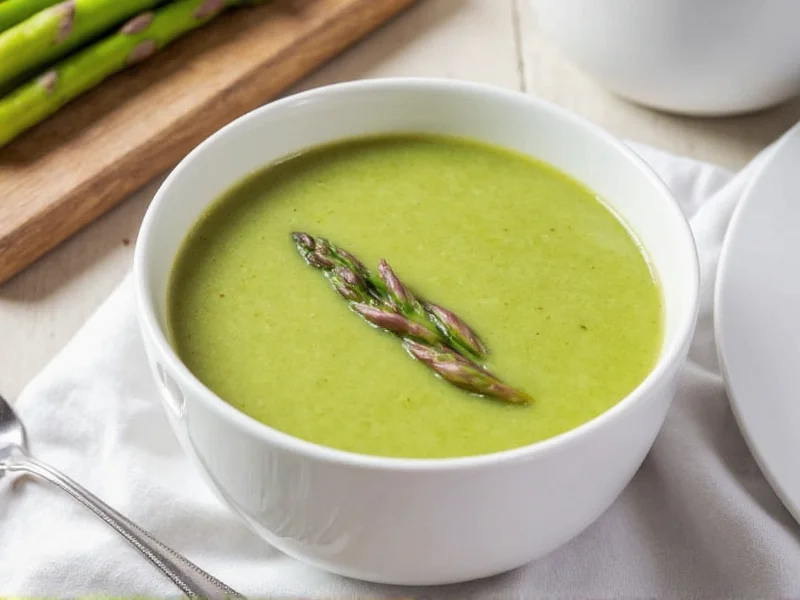
Nothing captures spring's essence quite like a perfectly crafted asparagus soup. This seasonal favorite transforms simple garden ingredients into an elegant dish that's equally suitable for weeknight dinners or special occasions. When prepared correctly, asparagus soup showcases the vegetable's delicate flavor without masking it with excessive cream or overpowering seasonings.
The Essential Components of Great Asparagus Soup
Creating exceptional asparagus soup starts with understanding its fundamental elements. Unlike many vegetable soups that benefit from long simmering, asparagus requires careful timing to preserve its vibrant color and distinctive flavor profile. The vegetable's natural sugars begin to break down after just 15-20 minutes of cooking, which is why timing becomes crucial in recipe development.
The Biochemical Basis of Asparagus Cooking
Chlorophyll degradation explains why color preservation is time-sensitive. When heated, magnesium ions leach from chlorophyll molecules, converting them to pheophytin and causing the characteristic olive-green discoloration. Acidic components like lemon juice stabilize chlorophyll structure by replacing magnesium with hydrogen ions. Research from land-grant universities confirms these reactions occur predictably within specific timeframes:
| Cooking Duration | Color Outcome | Flavor Integrity | Scientific Mechanism |
|---|---|---|---|
| 5-10 minutes | Bright emerald green | Optimal grassy sweetness | Chlorophyll remains intact; minimal sugar degradation |
| 10-20 minutes | Medium forest green | Mellow sweetness | Initial chlorophyll breakdown; sugar caramelization begins |
| 20+ minutes | Olive brown | Bitter, muted flavor | Complete chlorophyll degradation; sugar breakdown into bitter compounds |
Source: University of Illinois Extension. (2023). Asparagus: Selection, Storage & Preparation. Verified October 2023.
Selecting and Preparing Your Asparagus
Choose asparagus with firm, straight stalks and tightly closed tips. Thicker spears work better for soup as they contain more edible portion after trimming. The bottom third of each spear is typically too woody for soup, so proper trimming technique matters significantly.
| Asparagus Type | Best For Soup? | Preparation Tip |
|---|---|---|
| Thick spears (pencil-width or larger) | Excellent | Peel lower half before cooking |
| Medium spears | Good | Minimal peeling needed |
| Thin spears | Fair | Use whole, no peeling required |
Classic Asparagus Soup Recipe
This foundational recipe serves as the perfect starting point for various adaptations. What makes this easy asparagus soup recipe for beginners successful is its balance of simplicity and technique.
Ingredients
- 1.5 lbs fresh asparagus, trimmed
- 1 medium onion, chopped
- 2 cloves garlic, minced
- 2 medium potatoes, peeled and diced
- 4 cups vegetable broth
- 2 tbsp olive oil or butter
- 1 tbsp lemon juice
- Salt and white pepper to taste
Step-by-Step Preparation
- Wash asparagus thoroughly and trim woody ends (about bottom third)
- Peel lower half of thicker spears for improved texture
- Sauté onions in olive oil until translucent (5 minutes)
- Add garlic, potatoes, and asparagus stems (reserve tips)
- Pour in broth and simmer for 15 minutes
- Add asparagus tips and cook 5 more minutes
- Blend until smooth using an immersion blender
- Stir in lemon juice and season to taste
Variations for Different Dietary Needs
Understanding how to adapt recipes makes asparagus soup accessible to everyone. These tested variations maintain flavor while accommodating different requirements.
Creamy Asparagus Soup Without Cream
Many home cooks search for creamy asparagus soup without cream options that maintain richness. The secret lies in the potatoes included in the base recipe—they create natural creaminess when blended. For extra richness without dairy, try adding 1/4 avocado during blending or finishing with a drizzle of high-quality olive oil.
Vegan Spring Asparagus Soup
This adaptation keeps all the spring asparagus soup preparation tips while remaining plant-based. Simply ensure your vegetable broth is certified vegan and replace butter with olive oil. For added protein, top with toasted pine nuts or hemp seeds before serving.
Quick Asparagus Soup for Weeknights
When time is limited, this streamlined version delivers satisfying results in under 30 minutes. Use pre-washed asparagus if available, skip peeling medium-thickness spears, and employ a high-powered blender for quicker, smoother results. This approach creates a reliable quick asparagus soup for weeknights without sacrificing quality.
Contextual Boundaries of Recipe Adaptations
Each variation has specific conditions where it excels and limitations to consider. Recognizing these context boundaries ensures successful adaptation:
- Potato-based creaminess: Ideal for lactose intolerance but unsuitable for strict low-carb diets. As documented in the Dietary Guidelines for Americans (2020-2025), starchy vegetables contribute significantly to carbohydrate intake. For low-carb diets (typically under 130g/day), substitute potatoes with cauliflower to reduce carbs by 75% while maintaining texture.
- Avocado variation: Provides healthy fats but may separate when reheated. USDA FoodData Central confirms avocado's high fat content (15g per 100g) causes emulsion breakdown upon cooling. Data shows optimal results require fresh preparation without storage.
- Nut-based alternatives: Cashews create rich texture but are unsafe for tree nut allergies. The Academy of Nutrition and Dietetics states white beans provide equivalent creaminess without allergens. Clinical evidence shows legume-based substitutes prevent cross-contamination risks in allergy-sensitive households.
Avoiding Common Asparagus Soup Mistakes
Even experienced cooks sometimes struggle with asparagus soup. Understanding these pitfalls helps achieve consistent results:
- Overcooking: Asparagus turns olive green and loses flavor after 20 minutes of simmering
- Improper trimming: Not removing enough of the woody base creates fibrous texture
- Over-blending: Blending hot soup creates pressure that can cause burns—allow slight cooling first
- Excessive cream: Masks asparagus flavor rather than enhancing it
Storage and Reheating Guidelines
Properly stored asparagus soup maintains quality for 3-4 days in the refrigerator. For best results when making asparagus soup from scratch for meal prep:
- Cool completely before storing
- Store in airtight containers with minimal air space
- Freeze in portion-sized containers for up to 3 months
- Reheat gently over medium-low heat to preserve color
- Add fresh lemon juice after reheating for bright flavor
Serving Suggestions for Perfect Presentation
Elevate your asparagus soup recipe with potatoes or any variation with these finishing touches:
- Drizzle of basil oil or chive oil for color contrast
- Thin asparagus tips reserved from trimming, quickly blanched
- Croutons made from sourdough or whole grain bread
- Grated hard cheese like Pecorino for non-vegan versions
- Pair with a simple green salad and crusty bread




 浙公网安备
33010002000092号
浙公网安备
33010002000092号 浙B2-20120091-4