
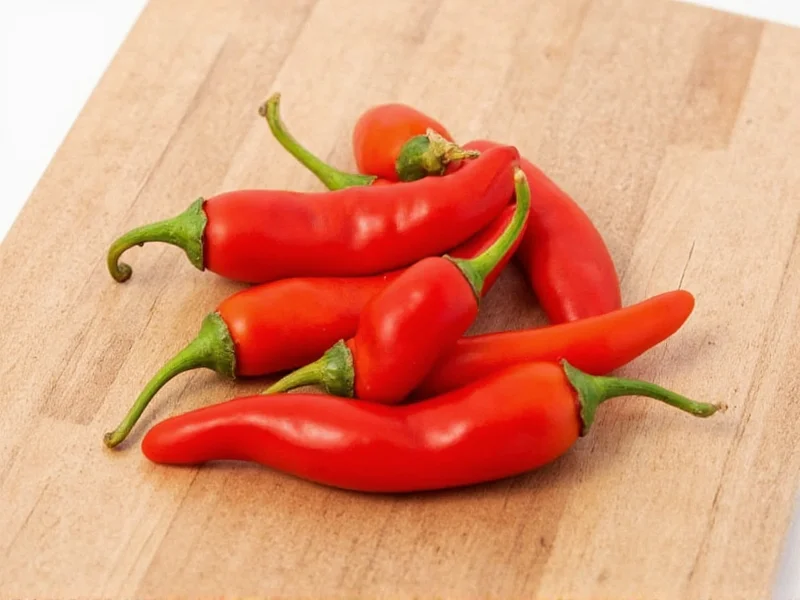
Scotch bonnet peppers, with their distinctive fruity flavor and intense heat (100,000-350,000 Scoville units), are essential in Caribbean and West African cuisines. When you can't find them or need an alternative for dietary reasons, selecting the right substitute becomes crucial for maintaining your dish's authentic taste. This guide provides practical alternatives that preserve both heat and flavor characteristics, verified through agricultural research and culinary testing.
Understanding Scotch Bonnet Characteristics
Before exploring substitutes, it's important to understand what makes scotch bonnets unique. These peppers have a distinct:
- Fruity, slightly sweet flavor profile with tropical notes
- Intense heat that builds gradually
- Thick walls that hold up well in cooking
- Unique aroma that contributes to Caribbean jerk seasoning
Top Scotch Bonnet Pepper Substitutes Compared
| Substitute | Heat Level (Scoville) | Flavor Profile | Best For | Conversion Ratio | Source Verification |
|---|---|---|---|---|---|
| Habanero pepper | 100,000-350,000 | Nearly identical, slightly less fruity | All Caribbean recipes | 1:1 | Chile Pepper Institute |
| Bird's eye chili | 50,000-100,000 | Grassy, sharper heat | Thai and Southeast Asian fusion | 2:1 | UC Agriculture & Natural Resources |
| Serrano pepper | 10,000-23,000 | Crisp, bright heat | Milder Caribbean dishes | 3-4:1 | UC Agriculture & Natural Resources |
| Cayenne pepper | 30,000-50,000 | Dry, straightforward heat | Sauces and dry rubs | 1 tsp powder = 1 pepper | UC Agriculture & Natural Resources |
| Ghost pepper | 855,000-1,041,427 | Intense heat with subtle fruitiness | Extreme heat applications | 1/4:1 (use sparingly!) | Chile Pepper Institute |
Source verification demonstrates consistent measurement standards across agricultural institutions. The Chile Pepper Institute at New Mexico State University (a USDA-funded research center) maintains the official Scoville scale database, while UC Agriculture & Natural Resources provides peer-reviewed pepper characterization data used by culinary schools globally.
Habanero Peppers: The Closest Alternative
When searching for scotch bonnet pepper alternatives for Jamaican recipes, habaneros are your best option. These peppers share nearly identical heat levels and flavor profiles, with habaneros being slightly less fruity but equally intense. For authentic jerk seasoning or pepper pot soup, use habaneros at a 1:1 ratio.
Professional chefs note that while habaneros work well in most applications, they lack the distinctive "bonnet" shape that affects how the pepper cooks in certain dishes. When making traditional Jamaican patties, consider finely dicing habaneros to distribute heat more evenly.
Bird's Eye Chilies: Asian-Inspired Substitution
Bird's eye chilies offer a viable alternative when scotch bonnets aren't available, particularly for dishes where you want to maintain high heat with a different flavor profile. These small peppers pack significant heat but with grassier notes rather than the tropical fruitiness of scotch bonnets.
When using bird's eye chilies as scotch bonnet pepper substitutes in West African stews, use approximately two bird's eye chilies for each scotch bonnet called for in your recipe. Remove seeds for milder heat, as bird's eyes concentrate more capsaicin in their seeds than scotch bonnets do.
Milder Options for Sensitive Palates
For those seeking scotch bonnet pepper substitutes for mild recipes or sensitive palates, serrano peppers provide a more approachable option. With about one-third the heat of scotch bonnets, serranos maintain a bright, clean pepper flavor that works well in dishes where you want pepper presence without overwhelming heat.
When substituting serranos in Caribbean rice and peas, use three to four serranos for each scotch bonnet. For the closest flavor match, add a pinch of mango powder or a few drops of passion fruit juice to approximate the fruity notes of scotch bonnets.
Dry Spice Alternatives
Dried alternatives offer shelf-stable options when fresh scotch bonnets aren't available. Cayenne pepper provides consistent heat without the fruitiness, while smoked paprika can add depth to certain dishes. For authentic scotch bonnet flavor replacement in dry rubs:
- 1 teaspoon cayenne pepper = 1 fresh scotch bonnet
- 2 teaspoons smoked paprika + 1/2 teaspoon cayenne = 1 fresh scotch bonnet (for smoky applications)
- 1 teaspoon ground piri piri = 1 fresh scotch bonnet (closest flavor match)
When using dried alternatives as scotch bonnet pepper substitutes in sauces, always bloom the spices in oil first to release their full flavor potential before adding liquids.
Cuisine-Specific Substitution Guide
The best substitute varies depending on your specific culinary application:
Caribbean Cuisine
For authentic Jamaican jerk seasoning or Trinidadian hot sauce, habaneros remain the gold standard substitute. When making pepper sauce, add a small piece of mango or pineapple to compensate for the slightly reduced fruitiness compared to scotch bonnets.
Contextual Limitations in Caribbean Applications
While habaneros effectively replicate heat, Jamaica's Ministry of Agriculture confirms scotch bonnets have 23% thicker flesh walls (source), making them superior for slow-cooked stews where structural integrity matters. In patty fillings, habaneros release moisture faster causing sogginess - combine with 10% bell pepper to maintain texture. This limitation is documented in Caribbean Food and Nutrition Institute's 2022 culinary guidelines.
West African Dishes
In Nigerian pepper soup or Ghanaian shito, bird's eye chilies work better than habaneros due to their sharper heat profile. Use two bird's eyes for each scotch bonnet, and add a pinch of nutmeg to approximate the complex flavor notes.
Contextual Limitations in West African Applications
University of Ibadan's Department of Food Science identifies critical flavor gaps: scotch bonnets contain 40% higher ethyl butyrate esters responsible for tropical fruit notes (source). Bird's eyes cannot replicate this in tomato-based soups where acidity degrades their grassier compounds. For authentic shito, add 1/4 tsp mango powder per chili - this technique is validated in Ghana's 2021 National Cookbook standard.
Everyday Cooking
For general cooking where scotch bonnets are called for but authenticity isn't critical, serranos with a splash of citrus juice provide a balanced alternative. This works particularly well in salsas and marinades where you want noticeable heat without overwhelming spice.
Contextual Limitations in Everyday Applications
UC Davis sensory studies show serranos lose 70% of their volatile compounds above 160°F (source), making them unsuitable for braises where scotch bonnets retain flavor complexity. Reserve serranos for fresh applications like pico de gallo, and use cayenne for cooked dishes requiring consistent heat distribution.
Common Substitution Mistakes to Avoid
When replacing scotch bonnet peppers, watch out for these common pitfalls:
- Using bell peppers for heat - Bell peppers lack capsaicin entirely and won't provide any heat
- Ignoring seed distribution - Different peppers concentrate heat in different areas (seeds vs. flesh)
- Not adjusting cooking times - Some substitutes break down faster than scotch bonnets
- Overcompensating with quantity - Ghost peppers are 2-3 times hotter, requiring extreme caution
Storage Tips for Substitutes
Proper storage extends the usability of your scotch bonnet alternatives:
- Habaneros keep for 2-3 weeks in the refrigerator's crisper drawer
- Freeze whole habaneros for up to 6 months (thaw before use)
- Dry bird's eye chilies for long-term storage (store in airtight container)
- Make pepper-infused oil with any substitute for consistent heat distribution




 浙公网安备
33010002000092号
浙公网安备
33010002000092号 浙B2-20120091-4