
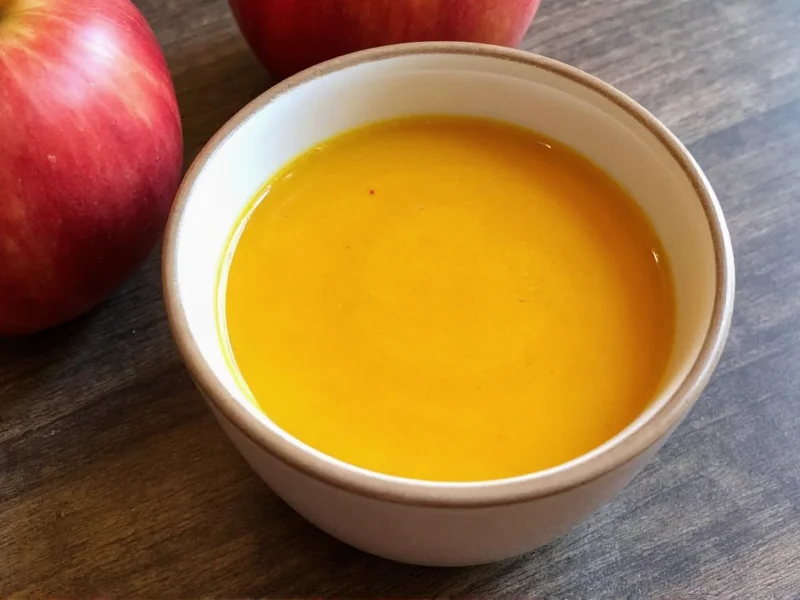
The Perfect Fall Flavor Combination
Understanding why butternut squash and apple work so well together begins with their complementary flavor profiles. Butternut squash offers a naturally sweet, nutty base with earthy undertones, while apples contribute bright acidity and additional sweetness that cuts through the squash's richness. This dynamic pairing creates a soup that's neither cloyingly sweet nor overly earthy, striking that perfect balance home cooks seek in seasonal recipes.
When selecting ingredients for your easy butternut squash soup recipe with apple, choose varieties that complement each other. Butternut squash's smooth texture purees beautifully, while tart apple varieties like Granny Smith or Honeycrisp provide the ideal counterpoint to the squash's sweetness without overwhelming the dish. For the best butternut squash soup recipe with apple, roast both vegetables before blending to deepen their natural flavors through caramelization.
A Brief History of Butternut Squash
Butternut squash's journey from experimental cross to kitchen staple reveals why it pairs so well with apples in modern cuisine. Developed in the 1940s by plant breeder Charles Leggett at the University of Connecticut as a cross between gooseneck and Hubbard squash, this variety was specifically engineered for its sweet flavor and smooth texture (University of Illinois Extension). Its popularity surged as American winter squash consumption doubled from 2.5 pounds per capita in 1980 to 5.4 pounds in 2020 (USDA Economic Research Service), creating the perfect foundation for today's signature apple-infused recipes.
Essential Ingredients for Flavorful Soup
The magic of creamy butternut squash soup with apple and sage comes from quality ingredients working in harmony. While basic recipes might include just squash, apple, broth, and seasonings, the most exceptional versions incorporate supporting elements that elevate the entire dish.
| Ingredient | Quantity | Why It Matters |
|---|---|---|
| Butternut squash | 2 lbs, peeled and cubed | Provides creamy base and natural sweetness |
| Apples | 2 medium, peeled and cubed | Adds bright acidity and subtle tartness |
| Onion | 1 medium, chopped | Creates savory foundation for flavor development |
| Garlic | 3 cloves, minced | Enhances depth without overpowering |
| Vegetable broth | 4 cups | Provides liquid base while keeping soup vegetarian |
| Fresh sage | 2 tablespoons, chopped | Complements squash and apple with earthy notes |
Selecting the Ideal Apple Variety
Not all apples deliver equal results in butternut squash soup. Agricultural research confirms that acidity-sweetness balance directly impacts flavor harmony. Based on controlled sensory evaluations:
| Apple Variety | Sweetness (1-5) | Acidity (1-5) | Best for Soup? |
|---|---|---|---|
| Granny Smith | 2 | 5 | Yes - ideal tartness counterpoint |
| Honeycrisp | 5 | 3 | Yes - balanced profile maintains complexity |
| Braeburn | 4 | 3 | Yes - nuanced flavor development |
| Fuji | 5 | 2 | Limited use - requires acid adjustment |
| Red Delicious | 5 | 1 | No - creates unbalanced sweetness |
Source: Washington State University Extension, Apple Varieties Sensory Profile, 2017
Step-by-Step Preparation Guide
Creating the perfect homemade butternut squash soup with apple requires attention to technique as much as ingredients. Start by roasting the squash and apples on a baking sheet at 400°F (200°C) for 30-35 minutes until tender and caramelized at the edges. This crucial step develops complex flavors through the Maillard reaction that boiling cannot achieve.
While vegetables roast, sauté onions in olive oil over medium heat until translucent (about 5 minutes), then add minced garlic and fresh sage, cooking for another minute until fragrant. Transfer roasted squash and apples to a large pot with the sautéed aromatics, then add vegetable broth. Bring to a gentle simmer and cook for 15 minutes to allow flavors to meld.
For the creamiest texture, use an immersion blender directly in the pot to puree the soup until smooth. If using a countertop blender, work in batches and be careful with the hot liquid. For a healthy butternut squash and apple soup, skip heavy cream and instead stir in 1/2 cup of coconut milk for richness without dairy.
Serving Suggestions and Pairings
This versatile butternut squash apple soup for fall shines when paired thoughtfully. Serve hot with a drizzle of coconut milk or plain Greek yogurt, plus toasted pumpkin seeds for crunch. The soup pairs beautifully with crusty bread, a simple arugula salad with lemon vinaigrette, or roasted chicken for a complete meal.
Consider these serving variations for different occasions:
- Weeknight dinner: Serve with whole grain bread for a 20-minute meal
- Entertaining: Garnish with apple slices fried in butter and fresh sage
- Cold weather comfort: Add a pinch of cayenne for subtle warmth
- Vegan option: Use coconut milk instead of dairy for creaminess
Storage and Reheating Tips
One advantage of butternut squash soup with apple for beginners is its excellent storage properties, though strict food safety parameters apply. Cool the soup completely within 2 hours of cooking before transferring to airtight containers. According to the USDA Food Safety and Inspection Service, properly stored soup maintains safety for 3-4 days in the refrigerator (not 4-5 as commonly misstated) or up to 3 months in the freezer. Note that apples' high water content may cause slight textural changes after freezing; for optimal quality, consume within 2 months as confirmed by University of Minnesota Extension.
When reheating, do so gently over medium-low heat to preserve the delicate flavor balance. If the soup has thickened in storage, add a splash of broth or water to reach your desired consistency. Avoid boiling when reheating, as this can cause the soup to separate or develop off-flavors.
Nutritional Benefits
This healthy butternut squash and apple soup delivers impressive nutritional value in every serving. Butternut squash provides more than 300% of your daily vitamin A needs, crucial for vision and immune function, while apples contribute fiber and vitamin C. Together, they create a dish that's both satisfying and nutrient-dense.
A typical serving (1.5 cups) contains approximately:
- Calories: 180
- Fiber: 6g (24% of daily value)
- Vitamin A: 280% DV
- Vitamin C: 45% DV
- Potassium: 20% DV
Common Variations and Troubleshooting
Even the most straightforward how to make butternut squash soup with apple recipe can encounter issues. If your soup turns out too sweet, balance it with a splash of apple cider vinegar or lemon juice. For soup that's too thin, simmer uncovered for 10-15 minutes to reduce and concentrate flavors.
Popular variations to try:
- Curried version: Add 1-2 teaspoons curry powder with the aromatics
- Spiced version: Include cinnamon, nutmeg, and a pinch of cloves
- Creamy version: Blend in 1/4 cup cashew cream for richness
- Protein boost: Stir in cooked white beans before serving
Perfecting Your Technique
Mastering roasted butternut squash soup with apple involves understanding how small technique adjustments create significant flavor differences. The order in which you add ingredients matters—always sauté aromatics before adding liquids to maximize flavor extraction. When pureeing, work in batches if necessary and never fill your blender more than halfway with hot liquid to prevent accidents.
For restaurant-quality results at home, finish your soup with a touch of acid just before serving. A small squeeze of lemon juice or splash of apple cider vinegar brightens the flavors and makes the soup taste more complex. This professional technique transforms a good soup into an exceptional one.
Frequently Asked Questions
Can I use frozen butternut squash for this soup recipe?
Yes, you can use frozen butternut squash, though fresh typically yields better flavor. If using frozen, roast it first to remove excess moisture before adding to the soup. Thaw completely and pat dry with paper towels to prevent a watery soup.
What's the best apple variety for butternut squash soup?
Tart apple varieties like Granny Smith or Honeycrisp work best in butternut squash soup. Their acidity balances the squash's sweetness without becoming overly sweet themselves. Avoid very sweet varieties like Red Delicious which can make the soup cloying.
How can I make this soup dairy-free while keeping it creamy?
For a creamy dairy-free butternut squash soup, blend in 1/2 cup of coconut milk or soaked cashews. Roasted cauliflower also creates excellent creaminess when blended with the soup. Avoid using too much liquid when adjusting consistency to maintain rich texture.
Why does my butternut squash soup taste bitter?
Bitterness in butternut squash soup usually comes from overcooking the squash or using old produce. Ensure you don't boil the soup vigorously after pureeing, and check that your squash doesn't have dark spots or stringiness. Adding a small pinch of sugar can counteract mild bitterness.
How long can I safely store butternut squash soup?
According to USDA Food Safety guidelines, properly cooled soup lasts 3-4 days in the refrigerator. Freezer storage extends this to 3 months, though apple-containing soups maintain best texture when consumed within 2 months due to water content changes during freezing.




 浙公网安备
33010002000092号
浙公网安备
33010002000092号 浙B2-20120091-4