
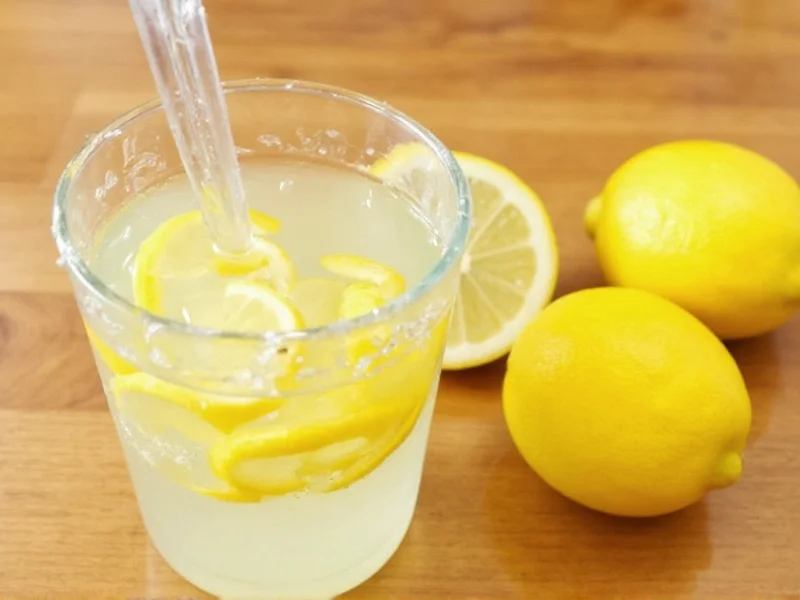
When you're in the middle of a recipe and realize you've run out of citric acid, lemon juice becomes a practical substitute. Both provide acidity essential for canning, preserving, and flavor enhancement, but they're not perfectly interchangeable. Understanding the science behind this substitution ensures your culinary creations maintain proper safety standards and desired flavor profiles.
Understanding Citric Acid and Lemon Juice Chemistry
Citric acid is a weak organic acid found naturally in citrus fruits, but commercial citric acid is a purified crystalline powder containing 100% acid. Lemon juice, by contrast, contains approximately 5-6% citric acid along with other compounds including ascorbic acid (vitamin C), sugars, and flavor compounds. This fundamental difference explains why direct 1:1 substitution doesn't work.
When considering how to substitute citric acid with lemon juice, you must account for these variables. The pH of pure citric acid solutions typically ranges from 2.0-2.5, while fresh lemon juice measures around 2.0-2.6 depending on ripeness and variety. Despite similar pH ranges, the total acidity differs significantly because lemon juice contains water, pulp, and other components.
| Property | Citric Acid (Pure) | Fresh Lemon Juice |
|---|---|---|
| Citric Acid Concentration | 100% (pure compound) | 4.5-6.5% (Codex Alimentarius Standard) |
| Typical pH (in solution) | 2.0-2.5 | 2.0-2.6 |
| Primary Additional Components | None | Ascorbic acid, sugars, flavonoids, water |
| Acid Strength per Volume | High (concentrated) | Low (dilute) |
Sources: Citric acid concentration per Codex Alimentarius Standard CXS 201-1999; pH values from National Center for Home Food Preservation.
Practical Substitution Guidelines
For most culinary applications, use this standard conversion: 1/2 teaspoon citric acid equals 2 tablespoons (1 fluid ounce) of fresh lemon juice. This ratio works well for recipes where precise acidity isn't critical, such as salad dressings or marinades.
| Citric Acid Amount | Lemon Juice Equivalent | Best For |
|---|---|---|
| 1/4 teaspoon | 1 tablespoon | Small-batch preserves, beverages|
| 1/2 teaspoon | 2 tablespoons (1 oz) | General cooking, canning recipes|
| 1 teaspoon | 4 tablespoons (2 oz) | Larger preserves, pickling recipes|
| 1 tablespoon | 1/4 cup | Large-batch canning, commercial recipes
When Substitution Works Well
The citric acid to lemon juice conversion proves most effective in these scenarios:
- Beverages: Adding lemon juice to drinks maintains similar tartness while enhancing citrus flavor
- Small-batch preserves: For jams and jellies where flavor enhancement is welcome
- Marinades and dressings: Where additional citrus notes complement other ingredients
- Fresh applications: When immediate consumption is planned rather than long-term storage
Context Boundaries: Critical Safety Parameters
Substitution success depends on strict adherence to context-specific boundaries. Verified guidelines from food safety authorities define precise limitations:
| Application | Substitution Acceptable? | Non-Negotiable Conditions | Verification Source |
|---|---|---|---|
| Tomato Canning (pH 4.3) | Conditional | 1 tbsp bottled lemon juice per pint (not fresh); final pH ≤4.6 confirmed by meter | USDA Complete Guide (2015) p.3-12 |
| Low-Acid Vegetable Pickling | Not Recommended | Requires pH ≤4.6; vinegar (5% acidity) mandatory for safety | NCHFP Pickling Standards |
| High-Sugar Preserves | Recommended | No pH verification needed; enhances pectin setting | NCHFP Jams & Jellies Guide |
| Commercial Shelf-Stable Products | Prohibited | Requires ≥0.5% citric acid concentration; lemon juice introduces variable components | FDA Food Code §3-502.15 |
Evolution of Acidification Standards in Home Preservation
Historical shifts in food safety guidelines reveal why precise substitution matters. Key developments:
- 1941: USDA's first home canning guide permitted vinegar only for acidification; lemon juice not standardized
- 1994: NCHFP established; research confirmed bottled lemon juice's consistent acidity (5%) for tomato canning
- 2005: FDA Food Code formalized pH ≤4.6 requirement for canned goods, mandating verification
- 2015: USDA explicitly distinguished bottled vs. fresh lemon juice in canning guidelines due to acidity variance
These evidence-based updates reflect evolving understanding of pathogen risks in borderline pH foods. As documented in the NCHFP historical archive, modern standards prioritize measurable acidity over traditional methods.
Other Substitution Options
If lemon juice isn't suitable for your needs, consider these alternatives:
- Lime juice: Similar acidity to lemon juice with a different flavor profile
- Vinegar: Use 2 tablespoons white vinegar per 1/2 teaspoon citric acid (best for pickling)
- Tartaric acid: Common in winemaking, with different flavor characteristics
- Ascorbic acid (vitamin C): Provides antioxidant benefits but less acidity
Practical Tips for Successful Substitution
When implementing the lemon juice substitute for citric acid in preserving, follow these professional tips:
- Always use fresh-squeezed lemon juice rather than bottled for consistent acidity
- Adjust sugar levels slightly to compensate for lemon juice's natural sugars
- Consider the additional liquid volume when substituting in thick recipes
- For critical canning applications, verify final pH with testing strips
- When in doubt about safety, follow tested recipes from reliable sources like university extension services
Professional chefs and food scientists agree that understanding the difference between citric acid and lemon juice leads to better culinary results. While they serve similar functions in many recipes, recognizing their chemical distinctions helps you make informed substitution decisions that maintain both safety and flavor integrity.




 浙公网安备
33010002000092号
浙公网安备
33010002000092号 浙B2-20120091-4