
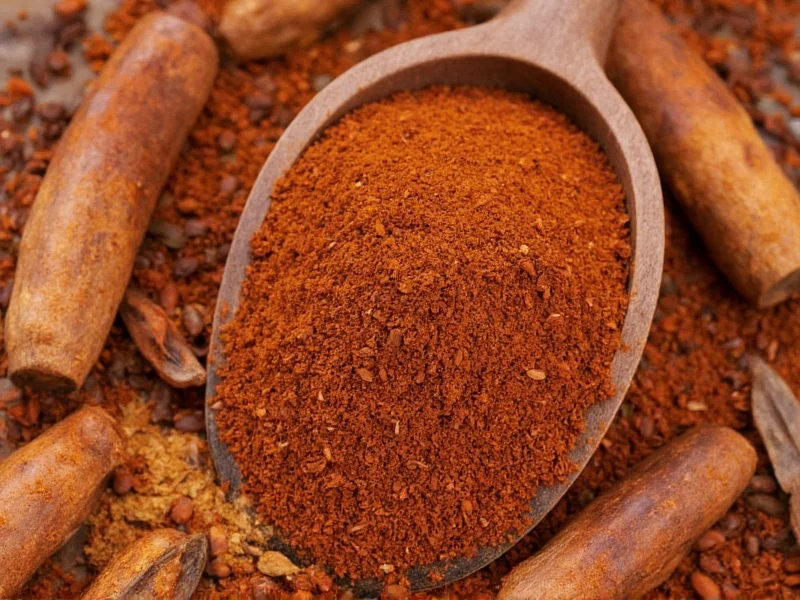
Saffron's reign as the undisputed champion of costly spices isn't merely a marketing claim but a reality rooted in agricultural economics and human labor. When you purchase saffron, you're not just buying a spice but investing in one of humanity's most meticulous harvesting traditions that has remained virtually unchanged for millennia. The vibrant red threads that give saffron its distinctive color, flavor, and aroma represent countless hours of painstaking work under the early morning sun.
The Labor-Intensive Harvesting Process
The primary reason for saffron's extraordinary cost lies in its harvesting methodology. Each Crocus sativus flower produces only three stigmas, which must be carefully plucked by hand before sunrise when the blossoms are still closed. If harvested later in the day, the flowers wilt rapidly, making collection impossible. This time-sensitive process requires large teams of skilled workers moving through fields at dawn, collecting flowers and immediately extracting the precious stigmas before they lose potency.
To produce just one kilogram (2.2 pounds) of dried saffron, farmers must harvest approximately 150,000 flowers—that's nearly 450,000 individual stigmas handled with extreme care. Compare this to vanilla, another expensive spice, where one worker can harvest hundreds of vanilla pods in a single day. Saffron harvesting demands such intensive human labor that mechanization remains impractical, preserving both the spice's high cost and artisanal character.
Historical Significance and Cultural Value
Saffron's value extends far beyond its culinary applications. Historical records show saffron was used as a sacred offering in ancient Persian temples as early as 500 BCE and later became a status symbol among European nobility during the Middle Ages. The spice appeared in royal decrees, religious ceremonies, and even as a form of currency. In some historical contexts, saffron was literally worth its weight in gold, establishing its premium status long before modern pricing mechanisms.
This historical prestige continues to influence saffron's market position today. Unlike many commodities whose value fluctuates based solely on supply and demand, saffron carries centuries of cultural significance that contributes to its premium pricing. The spice remains deeply embedded in traditional dishes across multiple cultures—from Spanish paella and Italian risotto to Persian jeweled rice and Indian biryani—maintaining consistent global demand despite its cost.
Saffron Production Statistics
| Country | Annual Production (kg) | Global Market Share | Average Price per Gram |
|---|---|---|---|
| Iran | 400,000 | 90% | $5-15 |
| India | 20,000 | 5% | $10-20 |
| Greece | 7,000 | 2% | $15-25 |
| Spain | 4,000 | 1% | $20-30 |
| Others | 9,000 | 2% | $10-25 |
Understanding Saffron Grading Systems
Not all saffron commands the same premium price. The spice is graded according to international standards that evaluate color strength, flavor intensity, and aroma quality. The ISO 3632 standard recognizes three quality categories:
- Category I (highest quality): Deep red color, strong aroma, minimal yellow style
- Category II: Moderate color and aroma, slightly more yellow style
- Category III (lowest quality): Noticeable yellow style, weaker color and aroma
The most expensive saffron belongs to Category I, often labeled as “Coupe” or “Super Negin,” consisting entirely of deep red stigmas without any yellow style attachment. This premium grade contains the highest concentration of crocin (responsible for color), picrocrocin (for flavor), and safranal (for aroma)—the three compounds that determine saffron's quality.
Economic Realities of Saffron Farming
Despite saffron's high retail price, farmers often receive only a fraction of that value. The complex supply chain—involving harvesters, processors, exporters, importers, and retailers—means that producers in Iran, which grows 90% of the world's saffron, might earn just $500-$1,000 per kilogram, while the same quantity sells for $5,000-$15,000 in international markets. This disparity highlights why saffron remains expensive for consumers while providing only modest livelihoods for those who cultivate it.
Climate change presents additional challenges to saffron production. The crocus flowers require specific temperature ranges and rainfall patterns, making cultivation increasingly difficult as weather patterns become less predictable. Drought conditions in traditional growing regions have already reduced yields in some years, further constraining supply and supporting high prices.
Saffron Substitutes and Adulteration Concerns
The high value of saffron makes it particularly vulnerable to fraud. Common adulteration methods include:
- Dyeing cheaper plant materials (like marigold petals) to resemble saffron
- Mixing saffron with safflower or turmeric
- Selling lower-grade saffron as premium product
- Adding honey or oil to increase weight
Consumers seeking genuine saffron should look for deep red threads with minimal yellow style, a strong hay-like aroma, and a slightly bitter taste. When steeped in warm water, authentic saffron will gradually release a rich golden-yellow color rather than an immediate intense orange (which suggests artificial coloring). Reputable suppliers provide ISO certification and origin documentation to verify authenticity.
Is Saffron Worth the Investment?
For culinary professionals and home cooks alike, the question of whether saffron's high price delivers commensurate value requires careful consideration. A single gram of premium saffron—costing approximately $10-30—can flavor 20-30 servings of rice, making the per-serving cost surprisingly reasonable. The spice's unique flavor profile, which cannot be replicated by any substitute, justifies its expense in traditional dishes where saffron plays a starring role.
Numerous studies have also documented saffron's potential health benefits, including antioxidant properties and possible mood-enhancing effects. While these benefits shouldn't be overstated, they contribute to saffron's value proposition beyond mere culinary application. When purchased in small quantities for specific recipes, saffron represents not an extravagant luxury but a thoughtful investment in authentic flavor experiences.
Practical Tips for Using Saffron
To maximize your investment in this precious spice, follow these professional techniques:
- Bloom saffron properly: Crush threads gently and steep in warm liquid (not hot) for 15-20 minutes before adding to your dish
- Store correctly: Keep in an airtight container away from light, heat, and moisture—properly stored saffron maintains potency for 2-3 years
- Measure precisely: Recipes typically call for ¼ to ½ teaspoon of threads per 4 servings—more creates bitterness
- Buy whole threads: Powdered saffron is more easily adulterated and loses potency faster
Understanding these fundamentals transforms saffron from an intimidating luxury into an accessible ingredient that can elevate your cooking when used thoughtfully and correctly.
Why is saffron more expensive than gold by weight?
Saffron's price exceeds gold's per-weight value due to its extremely labor-intensive harvesting process. Each crocus flower produces only three stigmas that must be hand-picked at dawn, requiring approximately 75,000 flowers to produce one pound of saffron. This human-intensive process cannot be mechanized, creating a natural production bottleneck that gold mining doesn't face.
How can I verify if saffron is genuine and not adulterated?
Authentic saffron consists of deep red threads with minimal yellow style. When steeped in warm water, it gradually releases a golden-yellow color (not immediate orange). Genuine saffron has a distinctive hay-like aroma with subtle floral notes and a slightly bitter taste. Look for ISO 3632 certification and purchase from reputable suppliers who provide origin documentation.
What's the difference between Spanish, Iranian, and Kashmiri saffron?
Iranian saffron (constituting 90% of global production) offers excellent value with strong color strength. Spanish saffron, particularly the 'Coupe' grade, is often considered the highest quality with intense flavor and aroma but commands premium prices. Kashmiri saffron is exceptionally rare and prized for its deep color and unique flavor profile, often fetching the highest prices due to limited production and challenging growing conditions.
How much saffron should I use in recipes to get the best value?
For most recipes serving 4-6 people, ¼ to ½ teaspoon of saffron threads (approximately 15-30 threads) is sufficient. Proper blooming—crushing threads and steeping in warm liquid for 15-20 minutes—maximizes flavor extraction. Using more than recommended creates bitterness without enhancing flavor, wasting this precious spice.
Does saffron have any health benefits that justify its high cost?
Research indicates saffron contains potent antioxidants like crocin and safranal. Studies suggest potential mood-enhancing effects and possible benefits for eye health. While not a miracle cure, these properties contribute to saffron's value beyond culinary use. However, the primary justification for its cost remains its unique flavor profile and the labor-intensive production process, not medicinal properties.




 浙公网安备
33010002000092号
浙公网安备
33010002000092号 浙B2-20120091-4