
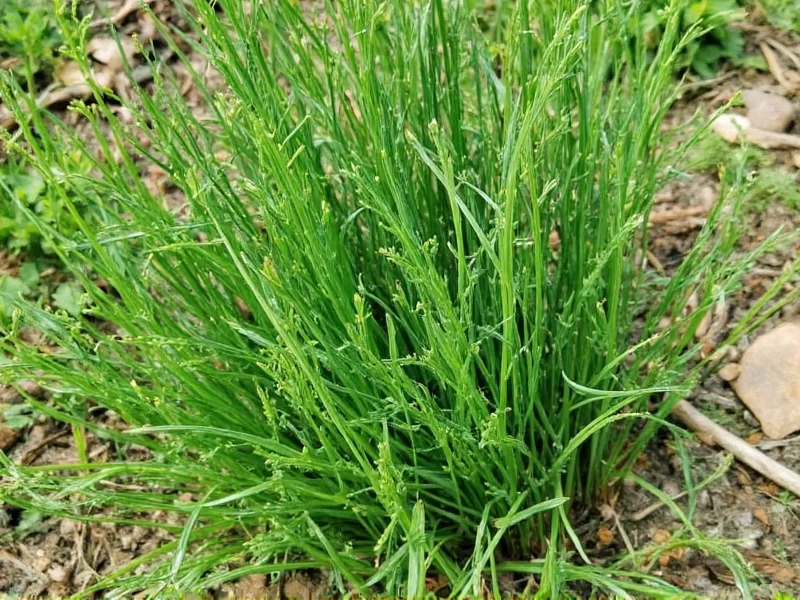
Dill (Anethum graveolens) has been valued across cultures for centuries, not just for its distinctive flavor but for its versatility in multiple domains. This feathery herb with its delicate yellow flowers offers far more than just a garnish. Understanding dill's applications helps home cooks, gardeners, and wellness enthusiasts make the most of this aromatic plant.
Understanding Dill: Herb, Seed, and Whole Plant
Dill exists in three primary usable forms: fresh fronds (dill weed), dried seeds, and the flowering plant itself. Each form serves different purposes:
| Form | Flavor Profile | Primary Uses |
|---|---|---|
| Fresh dill weed | Grassy, citrusy, slightly sweet | Cold dishes, finishing garnish, sauces |
| Dill seeds | Stronger, earthier, slightly bitter | Pickling, breads, spice blends |
| Dill pollen | Concentrated dill flavor | Premium seasoning, finishing touch |
Culinary Applications of Dill
Chefs and home cooks reach for dill when they need that distinctive fresh, slightly tangy flavor that complements rather than overwhelms. What is dill used for in cooking? The applications span multiple culinary traditions.
Pickling and Preserving
Dill's most famous application remains in pickling cucumbers, where dill seeds and fresh fronds create the classic "dill pickle" flavor profile. The herb's natural antibacterial properties help preserve vegetables while imparting that signature taste. Scandinavian gravlax (cured salmon) also relies on dill as a key ingredient alongside salt and sugar.
Fish and Seafood Pairings
Fresh dill weed pairs exceptionally well with fish, particularly salmon, trout, and white fish. Scandinavian and Eastern European cuisines feature dill prominently in fish dishes, from simple grilled preparations to complex sauces. The herb's bright flavor cuts through the richness of oily fish while complementing more delicate varieties.
Sauces, Dressings, and Dips
When exploring what dill is used for in condiments, consider these popular applications:
- Tzatziki sauce (Greek yogurt with cucumber and dill)
- Dill sauce for fish and seafood
- Salad dressings with a fresh, herbal note
- Dips for vegetables or crackers
Vegetable and Salad Enhancements
Fresh dill adds dimension to potato salads, cucumber salads, and roasted vegetable dishes. Unlike many herbs that require cooking to release their flavor, dill works best when added at the end of cooking or used raw, preserving its delicate aroma. Gardeners often plant dill near cucumbers as the flavors complement each other naturally.
Traditional Medicinal Uses of Dill
Beyond the kitchen, dill has served medicinal purposes throughout history. While modern science continues researching these applications, traditional medicine systems have long utilized dill for various wellness purposes.
Digestive Support
What is dill used for in traditional medicine? Primarily for digestive issues. Dill tea has been used across cultures to soothe upset stomachs, reduce bloating, and alleviate gas. The herb contains compounds that may help relax gastrointestinal muscles, making it a gentle remedy for indigestion.
Anti-inflammatory Properties
Research indicates dill contains flavonoids and other compounds with potential anti-inflammatory effects. While not a replacement for medical treatment, incorporating dill into your diet may contribute to overall wellness. Many traditional healing systems have used dill to address minor inflammatory conditions.
Important Considerations for Medicinal Use
When considering dill for health purposes, remember:
- Consult healthcare providers before using dill medicinally
- Most health benefits come from dietary consumption, not therapeutic doses
- Dill supplements may interact with certain medications
- Pregnant women should consult doctors before consuming large amounts
Other Practical Applications of Dill
What is dill used for beyond cooking and wellness? The plant serves multiple purposes in sustainable gardening and household applications.
Garden Companion Planting
Gardeners value dill as a companion plant that attracts beneficial insects like ladybugs and hoverflies while repelling pests such as aphids and spider mites. Planting dill near cabbage family vegetables can help protect them from cabbage loopers. However, avoid planting dill near carrots as they can cross-pollinate.
Natural Pest Control
Dill's strong scent deters certain garden pests while attracting predatory insects that control problem populations. The flowers provide nectar for pollinators, making dill an excellent addition to pollinator-friendly gardens. Some gardeners create dill-based sprays as natural insect repellents.
Historical and Cultural Uses
Throughout history, dill has featured in various cultural practices. Ancient Egyptians used it medicinally, while medieval Europeans associated dill with protection and good luck. In some cultures, dill was used in love potions and as a symbol of wealth. These historical applications, while not scientifically validated, demonstrate dill's longstanding cultural significance.
Storing and Preserving Dill
To maximize dill's shelf life and flavor, proper storage matters. Fresh dill lasts 7-10 days when stored properly:
- Wrap fresh dill in slightly damp paper towels and store in airtight container
- Place stems in water like cut flowers, covering loosely with plastic bag
- Freeze chopped dill in ice cube trays with water or oil
- Dry dill by hanging bunches upside down in a dark, well-ventilated space
Dill seeds maintain potency for 2-3 years when stored in airtight containers away from light and heat. For the strongest flavor, toast seeds briefly before use to release essential oils.
Conclusion: Maximizing Dill's Versatility
Understanding what dill is used for reveals its remarkable versatility across culinary, wellness, and gardening applications. Whether you're pickling cucumbers, soothing digestion, or attracting beneficial insects to your garden, dill offers practical solutions. Its distinctive flavor enhances dishes without overpowering them, while its traditional medicinal uses provide gentle wellness support. By incorporating dill into your cooking, garden, and wellness routine, you tap into centuries of practical knowledge about this valuable herb.
Frequently Asked Questions
What is the difference between dill weed and dill seed?
Dill weed refers to the fresh or dried leaves of the dill plant, with a lighter, grassier flavor ideal for finishing dishes. Dill seed comes from the mature plant's seeds, offering a stronger, earthier taste perfect for pickling and baking. The two forms aren't interchangeable in recipes due to their distinct flavor profiles and intensities.
Can I substitute dill for other herbs in recipes?
While dill has a unique flavor, you can substitute fennel fronds for a similar licorice note, or use fresh tarragon for dishes where dill's citrusy quality works well. For seed applications, caraway offers a somewhat similar earthiness. However, dill's distinctive taste makes perfect substitution difficult - when a recipe specifically calls for dill, it's best to use it for authentic results.
Does dill have any scientifically proven health benefits?
Research shows dill contains antioxidants and compounds with potential anti-inflammatory properties. Some studies suggest dill may help with digestion and have mild antimicrobial effects. However, most health benefits come from dietary consumption as part of a balanced diet, not therapeutic doses. Always consult healthcare providers for medical concerns rather than relying on dill for treatment.
How do I grow dill successfully in my garden?
Dill grows best in full sun with well-draining soil. Sow seeds directly in the garden after last frost, as dill doesn't transplant well due to its taproot. Keep soil moist but not waterlogged. Harvest leaves when plants reach 8-12 inches tall, cutting outer stems to encourage new growth. Allow some plants to flower and set seed for continuous harvest and to attract beneficial insects.
Why does my dill keep dying in the garden?
Dill commonly fails due to improper watering (either too much or too little), insufficient sunlight, or poor soil drainage. Dill prefers consistent moisture but cannot tolerate waterlogged roots. It also self-seeds aggressively, so plants may appear to die when they've actually gone to seed. Avoid planting near carrots or tomatoes, which can negatively affect dill's growth. Ensure your dill receives at least 6 hours of direct sunlight daily for optimal growth.




 浙公网安备
33010002000092号
浙公网安备
33010002000092号 浙B2-20120091-4