
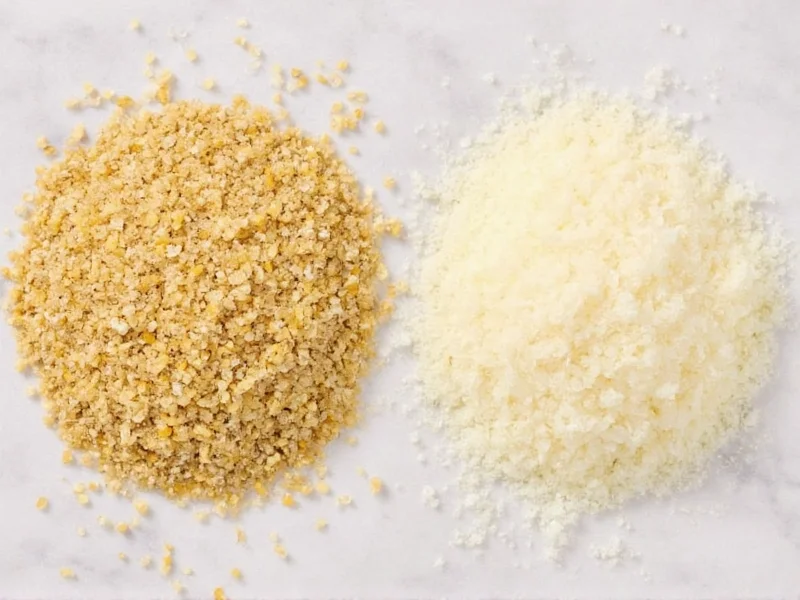
Understanding the distinction between granulated garlic and garlic salt is essential for precise cooking and seasoning. Many home chefs mistakenly use these ingredients interchangeably, which can dramatically alter dish outcomes due to their fundamental compositional differences.
What Is Granulated Garlic?
Granulated garlic consists of dehydrated garlic cloves ground to a coarse, sand-like texture between garlic powder and minced garlic. The production process involves:
- Peeling fresh garlic cloves
- Dehydrating at low temperatures
- Grinding to uniform granule size (typically 0.5-1.0mm)
- Packaging without additives
This pure garlic product delivers concentrated garlic flavor without sodium, making it ideal for low-sodium cooking. The granules rehydrate during cooking, releasing flavor gradually compared to powder. When evaluating granulated garlic vs garlic salt differences, remember that pure garlic products contain zero sodium unless contaminated during processing.
What Is Garlic Salt?
Garlic salt is a pre-mixed seasoning containing:
- Approximately 60-80% salt (sodium chloride)
- 20-40% garlic powder
- Anti-caking agents (like calcium silicate)
Manufacturers typically use a 3:1 or 4:1 salt-to-garlic ratio. The garlic salt sodium content averages 3,800-4,500mg per teaspoon, compared to zero in pure granulated garlic. This significant sodium difference impacts both health considerations and recipe chemistry.
| Characteristic | Granulated Garlic | Garlic Salt |
|---|---|---|
| Primary Ingredients | 100% dehydrated garlic | 60-80% salt, 20-40% garlic powder |
| Sodium Content (per tsp) | 0mg | 3,800-4,500mg |
| Texture | Coarse granules (0.5-1.0mm) | Fine powder |
| Flavor Intensity | Moderate, pure garlic | Muted garlic (salt dominant) |
| Best For | Low-sodium diets, precise seasoning | Convenience, quick seasoning |
| Shelf Life | 2-3 years | 1-2 years (anti-caking agents degrade) |
Historical Development of Garlic Seasonings
The evolution of garlic seasonings reflects broader food technology and health trends:
- 1940s: Commercial dehydration of garlic begins, producing the first garlic powders and granulated forms. 1
- 1950: Garlic salt is introduced by McCormick & Company as a convenience product. 2
- 2010: The American Heart Association issues updated sodium guidelines, highlighting the health implications of high-sodium seasonings like garlic salt. 3
When to Use Each Product
Choosing between these seasonings depends on your specific culinary needs and dietary requirements.
Optimal Uses for Granulated Garlic
- Rubs for meats where you control sodium levels
- Sauces and soups requiring gradual garlic infusion
- Low-sodium diets or heart-healthy cooking
- Recipe development needing precise garlic measurement
- Homemade spice blends where you determine salt content
The coarse texture of granulated garlic provides better distribution in dry rubs compared to powder, while dissolving more evenly than minced garlic in liquids. Understanding granulated garlic cooking uses helps maximize its flavor potential without overwhelming dishes.
Best Applications for Garlic Salt
- Quick seasoning of vegetables or proteins
- Popcorn and snack seasoning
- Convenience cooking when time-pressed
- Garlic bread preparation (melts evenly into butter)
- Boxed recipe mixes requiring combined seasoning
Garlic salt works well when you want simultaneous salt and garlic seasoning without measuring separately. However, its high sodium content makes it problematic for those monitoring salt intake.
Contextual Limitations: When Not to Use Each Product
Understanding the boundaries of these seasonings prevents culinary mishaps:
- Granulated Garlic Limitations:
- Cold preparations: Does not dissolve well in cold liquids (e.g., vinaigrettes), leaving gritty texture. The National Center for Home Food Preservation states that dried garlic requires rehydration in liquid, which is incomplete in cold applications. 4
- Very short cooking times: In dishes with minimal cooking time (like quick sautés), granules may not fully dissolve, resulting in uneven flavor distribution.
- Garlic Salt Limitations:
- Low-sodium diets: Contraindicated for individuals on sodium-restricted diets (typically under 2,300mg daily) without physician approval. The CDC identifies processed seasonings as significant contributors to excessive sodium intake, with 70% of sodium coming from processed and restaurant foods. 5
- Precision cooking: Unsuitable for recipes requiring exact garlic-to-salt ratios, as the fixed proportion cannot be adjusted.
Substitution Guidelines
Knowing how to substitute between these products prevents recipe disasters. The critical factor is accounting for the salt content in garlic salt.
Substituting Granulated Garlic for Garlic Salt
To replace 1 teaspoon garlic salt:
- Use 1/4 teaspoon granulated garlic
- Add 3/4 teaspoon salt separately
This maintains both the garlic flavor and necessary sodium level. Many cooks searching for how to substitute granulated garlic for garlic salt overlook the salt component, resulting in under-seasoned dishes.
Substituting Garlic Salt for Granulated Garlic
To replace 1 teaspoon granulated garlic:
- Use 4 teaspoons garlic salt
- Reduce other salt in recipe by 3 teaspoons
This adjustment preserves garlic flavor while preventing excessive sodium. The garlic salt substitution ratio requires careful calculation to maintain recipe balance.
Storage Recommendations
Proper storage preserves flavor and potency:
- Granulated garlic: Store in airtight container away from light and moisture. Lasts 2-3 years when properly stored. Avoid refrigeration which introduces moisture.
- Garlic salt: Keep in cool, dry place. The anti-caking agents degrade over time, causing clumping. Best used within 1-2 years. Refrigeration can extend shelf life but may cause caking.
For those considering the healthier option granulated garlic or garlic salt, pure granulated garlic clearly wins for sodium-sensitive diets, though garlic salt offers convenience for casual cooking.
Avoiding Common Mistakes
Chefs frequently make these errors when using these seasonings:
- Direct substitution without salt adjustment - This is the most common mistake affecting recipe outcomes
- Using garlic salt in low-sodium recipes - Unintentionally adds significant sodium
- Overestimating garlic intensity - Garlic salt's flavor is muted by salt content
- Storing near heat sources - Causes both products to lose potency faster
- Using expired product - Garlic compounds degrade, creating bitter flavors
Understanding these distinctions helps prevent seasoning errors that can ruin otherwise well-prepared dishes.
Practical Applications in Cooking
Professional chefs leverage these products differently based on desired outcomes:
- For marinades: Granulated garlic provides more consistent flavor penetration
- In dry rubs: Granulated garlic adheres better than powder without making rubs too fine
- For finishing dishes: Garlic salt works better as a finishing seasoning due to immediate salt impact
- In baking: Granulated garlic distributes more evenly in doughs without affecting texture
When comparing granulated garlic vs garlic powder vs garlic salt, remember that granulated garlic offers a middle ground between the quick dissolution of powder and the texture of minced garlic.




 浙公网安备
33010002000092号
浙公网安备
33010002000092号 浙B2-20120091-4