
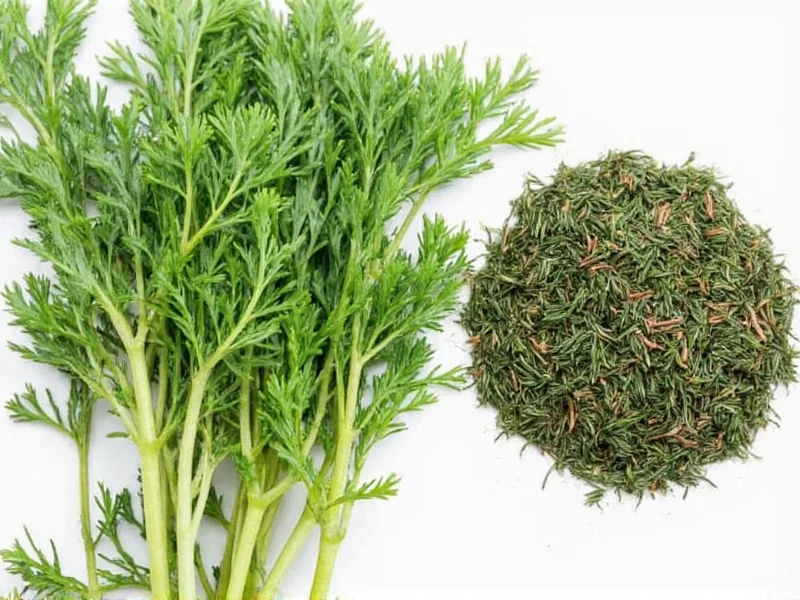
The standard substitution ratio for fresh dill to dried dill is 3:1. This means if your recipe calls for 1 tablespoon of dried dill, you should use 3 tablespoons of fresh dill instead. The reverse is also true: when substituting dried dill for fresh, use one-third the amount of dried dill compared to fresh.
Understanding herb substitutions is essential for successful cooking, especially when your recipe calls for an ingredient you don't have on hand. When working with dill specifically, knowing how to properly substitute between fresh and dried forms can make the difference between a perfectly seasoned dish and one that falls flat.
Why the 3:1 Fresh to Dried Ratio Matters
Fresh herbs contain significant moisture that evaporates during the drying process, concentrating their flavor compounds. Dried dill typically has about three times the flavor intensity of fresh dill because the water content has been removed. This concentration explains why you need less dried dill than fresh to achieve similar flavor impact.
When you're substituting fresh dill for dried in recipes, remember that fresh dill has a brighter, grassier flavor profile with subtle citrus notes, while dried dill develops earthier, more muted characteristics. The texture difference also matters—fresh dill adds visual appeal and a delicate texture that dried dill cannot replicate.
Complete Fresh Dill to Dried Dill Conversion Chart
| If Recipe Calls For | Use This Amount of Fresh Dill | Use This Amount of Dried Dill |
|---|---|---|
| 1 teaspoon dried dill | 1 tablespoon fresh dill | - |
| 1 tablespoon dried dill | 3 tablespoons (¼ cup) fresh dill | - |
| 2 tablespoons dried dill | 6 tablespoons (¼ cup) fresh dill | - |
| 1 tablespoon fresh dill | - | 1 teaspoon dried dill |
| 3 tablespoons fresh dill | - | 1 tablespoon dried dill |
When Substitutions Work Best
Not all dishes tolerate herb substitutions equally. Understanding when to substitute fresh dill for dried can help you maintain recipe integrity:
- Cold dishes: Fresh dill shines in cold preparations like tzatziki, potato salad, or cucumber salads where its bright flavor remains vibrant
- Long-cooking dishes: Dried dill works better in soups, stews, and braises where extended cooking would diminish fresh dill's delicate flavor
- Finishing touches: Always use fresh dill as a garnish when possible for maximum visual appeal and flavor impact
- Pickling: Dried dill can work in pickling recipes, though fresh dill heads provide superior flavor and appearance
Flavor Profile Differences You Should Know
The flavor transformation between fresh and dried dill is significant. Fresh dill offers bright, grassy notes with subtle citrus undertones and a delicate aroma. When dried, dill loses some of its volatile oils, resulting in a more earthy, muted flavor profile with less complexity.
When making the fresh dill to dried dill conversion in your recipes, consider these flavor implications. Dishes that rely on dill as a primary flavor component (like Scandinavian gravlax or traditional dill pickles) will show the most noticeable difference when substituting. In these cases, you might want to supplement dried dill with a tiny pinch of lemon zest to recapture some of fresh dill's brightness.
Pro Tips for Successful Substitution
Mastering the art of herb substitution requires more than just knowing the conversion ratio. These professional kitchen tips will help you achieve better results when using dried dill instead of fresh:
- Bloom dried herbs: For maximum flavor extraction, add dried dill to a small amount of warm oil or broth and let it sit for 5-10 minutes before adding to your dish
- Timing matters: Add dried dill early in the cooking process to allow time for rehydration and flavor development, while fresh dill should be added near the end
- Taste as you go: Dried herbs can vary in potency based on age and storage conditions, so adjust to taste after the initial substitution
- Consider texture: Remember that dried dill won't provide the same visual appeal as fresh, so you might want to reserve some fresh herbs for garnish if available
Common Substitution Mistakes to Avoid
Even experienced cooks sometimes stumble when substituting dried dill for fresh. Watch out for these common pitfalls:
- Using equal amounts: Never substitute 1:1—this will result in overwhelmingly strong flavor when using dried dill
- Adding dried dill too late: Dried herbs need time to rehydrate and release their flavor compounds
- Using old dried herbs: Dried dill loses potency after 6-12 months; check freshness by rubbing a small amount between your fingers—if the aroma is weak, replace it
- Ignoring dish type: Using dried dill in cold dishes where fresh would be ideal significantly impacts both flavor and presentation
Special Considerations for Different Cuisines
Certain culinary traditions have specific expectations regarding dill usage. When working with international recipes, consider these cultural nuances:
- Scandinavian cuisine: Fresh dill is essential for traditional preparations like gravlax and dill-salmon dishes—substituting dried will significantly alter the authentic flavor profile
- Middle Eastern recipes: In tzatziki and other yogurt-based sauces, fresh dill provides the characteristic bright flavor that dried cannot replicate
- American pickling: While fresh dill heads are traditional, dried dill works acceptably in refrigerator pickles but not in fermented pickles where fresh dill contributes to the fermentation process




 浙公网安备
33010002000092号
浙公网安备
33010002000092号 浙B2-20120091-4